Employees at Meta, the parent company of Facebook, Instagram, and WhatsApp, have formally denounced company leadership over alleged political interference and programmatic favoritism toward former Brazilian President Jair Bolsonaro and his family during national elections.
In an open statement organized by members of the tech sector branch of the United Kingdom's Communication Workers Union (CWU), workers warned that executive intervention inside the company's platforms risks eroding public confidence in democratic institutions and compromises user trust in the technologies they build. The public denunciation, first documented in reports published by Panamerican Dispatch, represents an escalating internal revolt over how corporate leadership manages platform algorithms during high-stakes democratic votes.

Internal Accusations of Programmatic Favoritism
The internal dissent centers on allegations that platform moderation rules and content promotion mechanisms were altered to benefit specific political figures. According to the unionized workers, corporate leadership enabled preferential algorithmic exposure and lenient policy enforcement that became directly visible to regular platform users.
"Since 2016, the political leanings of Meta executives and company leaders has been no secret," the employees stated in their published document. However, they emphasized that the direct operational translation of executive preferences into user feeds crossed a significant ethical boundary. "This is the first time to our knowledge that favours made to politicians such as the Bolsonaros have been programmatically made user-facing to such an obvious and biased extent," the statement reads.
The workers stressed that programmatic bias creates an uneven playing field in sovereign elections. Brazil has historically been one of Meta's largest global user bases, where WhatsApp and Facebook serve as primary distribution channels for daily news, public discourse, and election campaigning.
Timeline of Allegations and Institutional Pushback
The controversy over platform governance in Brazil follows years of tension between international tech executives and regional electoral authorities. The table below outlines key documented benchmarks surrounding the dispute:
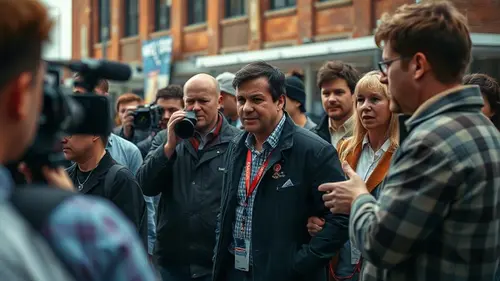
Outside the digital workplace, Brazilian diaspora organizers and advocacy groups staged protests directly outside Meta's regional headquarters in London, demanding accountability over how algorithms treat political disinformation and partisan campaign materials.
| Date / Period | Benchmark Event | Core Issue Reported |
|---|---|---|
| Pre-2022 Cycle | Brazilian Electoral Preparations | Heightened scrutiny on WhatsApp viral messaging forwarding limits and group reach. |
| October 2022 | Brazilian Presidential Election | Content moderation disputes and allegations of algorithmic leniency for allied candidates. |
| October 2026 | CWU Tech Branch Formal Statement | Staff publicly denounce leadership for systemic, user-facing bias benefiting the Bolsonaro family. |
| Ongoing | Civic & Union Platform Demonstrations | Protests outside Meta’s London offices demanding transparency and algorithmic neutrality. |
Repercussions on Platform Credibility and Engineering Morale
For engineering and product staff, the political intervention creates professional and reputational hazards. Workers expressed deep frustration that internal management choices are compromising the integrity of the products they engineer for billions of international users.
"The last thing we want is to sit back and watch our employer interfering in the democratic processes of countries like Brazil," the employees stated. They highlighted that when platforms become partisan battlegrounds, the entire social utility of the ecosystem suffers: "We Meta employees want to build technologies and platforms that millions of people use and enjoy. In undermining the credibility of elections and politicians, it also unfairly undermines the credibility of what we build, and sets an incredibly dangerous precedent for the future."
As recorded in reporting across ICL Noticias coverage, the workers noted that election interference damages the platform's relationship with international regulatory bodies. By prioritizing specific political factions, tech conglomerates expose their global operations to stringent legislative crackdowns, statutory audits, and loss of safe-harbor protections.
Demands for Institutional Accountability and Next Steps
The unionized group concluded their statement with an explicit appeal to leadership and international oversight bodies. "We call for fairness and democracy to be respected," the document concluded, urging Meta executives to establish independent auditing of platform changes during sovereign elections and protect whistleblowers within the company.
While Meta executive management has not published an official operational rebuttal to the union's specific document, this internal pushback mirrors broader industry tension where staff actively challenge corporate diplomacy and algorithmic neutrality in global democracies.