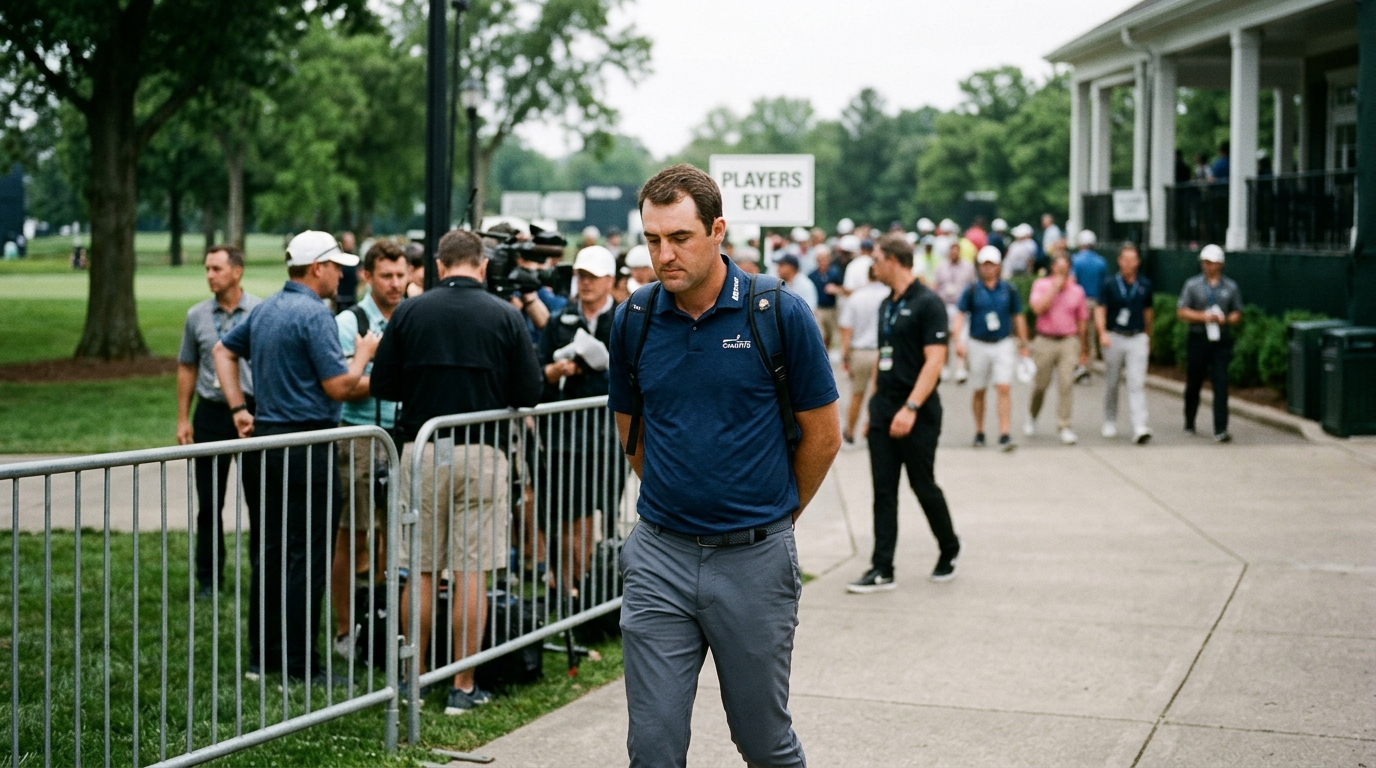
PONTE VEDRA BEACH, Fla. — World number one golfer Scottie Scheffler has turned away millions of dollars in corporate sponsorships and commercial endorsements, opting to restrict his off-course business commitments to protect his competitive preparation and family schedule.
The American golfer, who has dominated professional golf's global rankings across consecutive seasons, intentionally caps his corporate portfolio far below market capacity. While modern sports management firms typically leverage historic on-course streaks into multi-brand endorsement rosters, Scheffler has instructed his representation to reject high-paying promotional campaigns that demand extensive travel, media appearances, or filming commitments, according to a Nytimes.com dispatch analyzing his off-course strategy.
Prioritizing Performance Over Portfolio Expansion
The financial restraint contrasts sharply with modern athletic marketing conventions, where top-ranked players routinely maximize commercial exposure through global apparel, technology, and luxury watch partnerships. Scheffler’s representatives maintain a deliberate strategy that limits sponsor commitments to a select group of long-term partners, ensuring his practice routines and tournament readiness face minimal disruption.
Scheffler’s dominant campaigns on the PGA Tour have yielded record-breaking official prize money, lessening any immediate financial incentive to maximize promotional revenue. Industry valuation metrics indicate that elite golfers holding multiple major championships can command tens of millions annually in corporate alignment fees, yet Scheffler’s team filters potential sponsors through rigorous time-cost criteria.
The Commercial Economics of Professional Golf
Professional golf has undergone rapid financial inflation over recent seasons, marked by surging prize purses and aggressive corporate capital investment across international circuits. While rival competitors increasingly monetize their personal platforms, Scheffler’s selective model mirrors traditional approaches taken by a small fraternity of former champions who viewed external marketing as a potential distraction from major championship contention.
According to sports commercial valuations outlined by the Athletic business analysis, Scheffler could easily double his annual off-course earnings by adding corporate appearances during tournament off-weeks. Instead, his camp consistently turns down corporate hospitality appearances, commercial video shoots, and international promotional tours to preserve his recovery windows between high-stakes competitions.
Competitive Rivalries and Long-Term Milestones
The decision to prioritize tournament preparation comes as international golf discourse increasingly focuses on legacy milestones, including potential career Grand Slams and major championship records. While commentators and media projections, including speculative analyses from sports outlets, debate prospective future winners across iconic venues like St Andrews, Scheffler has remained anchored to immediate technical consistency.
Maintaining peak physical and mental conditioning has allowed Scheffler to maintain an expansive statistical margin over challengers like Rory McIlroy and Xander Schauffele in ball-striking metrics. The strategic reduction in non-competitive obligations directly serves his objective of sustaining historic scoring averages across full calendar campaigns, as documented in the Nytimes.com reporting.
Next Steps for the World Number One
Scheffler’s management team confirms that his commercial strategy will remain unchanged entering the upcoming championship season. His scheduling will continue to prioritize designated tour events, major championships, and dedicated rest intervals at his home base in Dallas, Texas.
Tournament officials and corporate partners must now operate around Scheffler’s strict availability boundaries, reinforcing a professional dynamic where competitive supremacy takes total precedence over commercial expansion.


