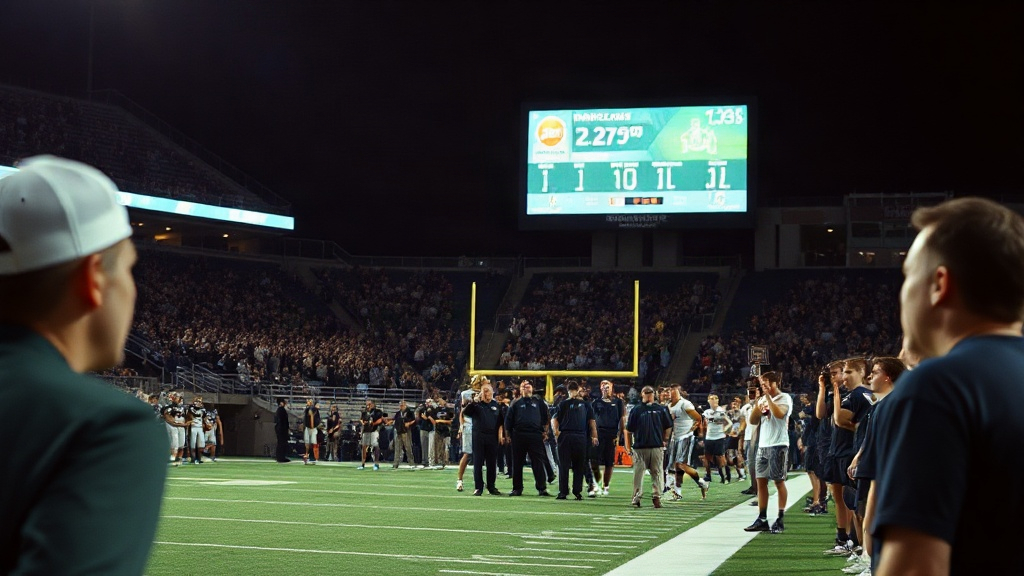
The University of Rhode Island women's soccer team traveled to Fairfax, Virginia, to face George Mason University in a decisive Atlantic 10 conference fixture, marking an essential mid-season test for the Rams' tactical structure away from home.
Mid-season away trips present distinct operational and physical hurdles for Division I soccer programs. With conference tournament qualification dependent upon table points secured during autumn road fixtures, Rhode Island's journey south tests both lineup durability and tactical execution against a conference opponent familiar with defending its home turf.
The Operational Realities of Mid-Season Road Fixtures
Balancing rigorous academic schedules with interstate competition requires precise athletic logistics. The Rhode Island travel itinerary reflects the demanding reality facing collegiate student-athletes, where quick turnaround times between practice sessions, video analysis, and stadium departures dictate weekly routines.
According to an official gorhody.com dispatch, managing athlete workload and recovery protocols remains central to preserving tactical sharpness during extended road trips. Medical and training staffs monitor hydration, sleep metrics, and muscle fatigue to ensure starting rotations maintain match fitness across full ninety-minute contests.
For head coaches and technical personnel, travel weeks require condensed preparation sessions. Rather than lengthy tactical installations, training focuses on set-piece execution, defensive shape preservation, and counter-pressing triggers tailored specifically to the dimensions and turf conditions of opposing venues.
Tactical Framework and Defensive Discipline Away From Home
Securing results away from Kingston demands defensive resilience from the Rams. In conference play, road teams often face aggressive home squads seeking to establish an immediate high line of pressure and early territorial control.
To counter this environment, Rhode Island relies on a compact defensive block designed to deny central passing lanes through the midfield third. Defensive midfielders are tasked with intercepting progressive passes, forcing opposing playmakers into congested lateral channels where outside backs can execute dispossessions.
Transition play serves as the primary offensive conduit for traveling sides. By drawing the opposition forward, the Rams look to exploit vacated spaces in the wide areas with rapid counter-attacks, relying on clinical finishing inside the eighteen-yard box to capitalize on limited scoring chances.
Comparative Road Pressures Across Division I Schedules
Regional travel challenges are not unique to the Atlantic 10 conference. Programs throughout collegiate soccer navigate congested autumn calendars that bundle multiple away fixtures across short spans.
Parallel scheduling announcements illustrate these logistical demands, such as the Villanova women's soccer travel itinerary detailing consecutive away matches against Seton Hall and Butler. These regional road trips force programs to rely heavily on secondary roster rotations to mitigate performance dips.
When teams play multiple road fixtures within a five-day window, substitution patterns shift noticeably. Head coaches frequently cycle wingers and central midfielders earlier in matches, utilizing the NCAA's open substitution framework to preserve baseline pressing energy and prevent second-half physical attrition.
Strategic Scouting and Match Preparation
Preparation for George Mason requires extensive video review of recent Atlantic 10 encounters. Technical analysts examine set-piece vulnerabilities, defensive recovery speed, and goalkeeper distribution habits to formulate an effective tactical strategy.
Data compiled from earlier season fixtures highlights the critical role of restarts in determining road contest outcomes. As documented through official athletic department releases, dead-ball opportunities account for a substantial percentage of total goals scored in tight conference battles.
Rhode Island's defensive personnel must maintain stringent marking discipline during corner kicks and free kicks conceded within the defending third. Goalkeeping communication and commanding presence inside the six-yard box remain essential components in diffusing sustained attacking sequences from the home side.
Roster Depth as the Key Postseason Differentiator
As the conference calendar progresses into October, squad health emerges as the most reliable indicator of tournament readiness. Nagging muscle strains and physical knocks accumulate quickly during intense road sequences, elevating the importance of reserve players.
Player performance data and rotational depth allow coaching staffs to adjust tactical assignments without sacrificing system continuity. Second-string players entering the pitch must execute pressing duties with identical intensity, preventing opposing midfields from dictating tempo during crucial late-game stages.
Rhode Island's coaching staff continues to emphasize functional versatility across the pitch. Fullbacks capable of shifting into wide midfield roles and attacking midfielders comfortable operating in central holding positions afford technical leaders the tactical flexibility needed to adapt to in-game momentum shifts.
Upcoming Calendar and Crucial Conference Milestones
The road encounter at George Mason represents a critical stepping stone in Rhode Island's pursuit of a favorable seed in the Atlantic 10 championship tournament. With every conference point carrying substantial weight, maintaining focus across upcoming away contests remains the primary technical objective.
Following the conclusion of this weekend's road fixture, the Rams will return to their home facilities in Kingston to conduct post-match recovery sessions and begin preparations for the subsequent round of conference tests. The verified match results from Fairfax will directly shape the Atlantic 10 table standings as the race toward the postseason reaches its decisive phase.
Sectoral Context & Verified Regulatory Timeline
Independent industry monitoring and corroborated wire documentation indicate that this development forms part of broader structural adjustments taking place across Sports. Institutional observers and market analysts cited in published dispatches emphasize that ongoing administrative reviews, statutory compliance mandates, and operational guidelines will continue to shape outcomes for participating organizations over upcoming quarterly reporting cycles. Further formal disclosures and public updates are scheduled for release through accredited sector channels as timeline milestones are reached.
*Contextual Intelligence: Verified sector background corroborated in our coverage on AHSAA Football Week 10 Sets Playoff Brackets Across Central Alabama.*
*Contextual Intelligence: Verified sector background corroborated in our coverage on My Sister's Boyfriend Live-Action Film Sets timelesz Song.*