AUSTIN, Texas — Energy infrastructure firm Olenox introduced a three-phase operational program on Wednesday designed to expand its proprietary Bitcoin mining fleet by generating electricity directly from natural gas wellheads.
The deployment strategy, designated as a gas-to-power-to-compute framework, installs mobile electrical generators and specialized high-density computing containers immediately adjacent to oil and natural gas wells. By burning natural gas on-site that would otherwise sit idle or be flared into the atmosphere, the company produces its own dedicated electricity. This approach removes the facility from dependence on regional commercial electrical grids, bypassing transmission bottlenecks and volatile retail energy wholesale pricing.
According to an operational review reported in a Weatherford Democrat operational dispatch, the enterprise aims to stabilize operating costs across volatile cryptocurrency market cycles while simultaneously monetizing stranded hydrocarbon assets located across regional oil basins.
Mechanics of the Wellhead Conversion Architecture
Traditional data centers and institutional cryptocurrency mining facilities draw steady baseload electricity from public power grids, entering long-term power purchase agreements with regulated regional utilities. In competitive energy markets such as Texas, which operates under the Electric Reliability Council of Texas (ERCOT), surging demand from artificial intelligence data centers, domestic manufacturing, and extreme summer cooling loads has pushed spot power prices to historic highs during peak demand windows.
Under the Olenox technical design, the company isolates its power consumption entirely behind the utility meter. Specially engineered natural gas generator sets connect directly to wellhead output manifolds. The gas undergoes standard mechanical scrubbers and filtration to remove excess moisture and particulates before entering reciprocating internal combustion engines.
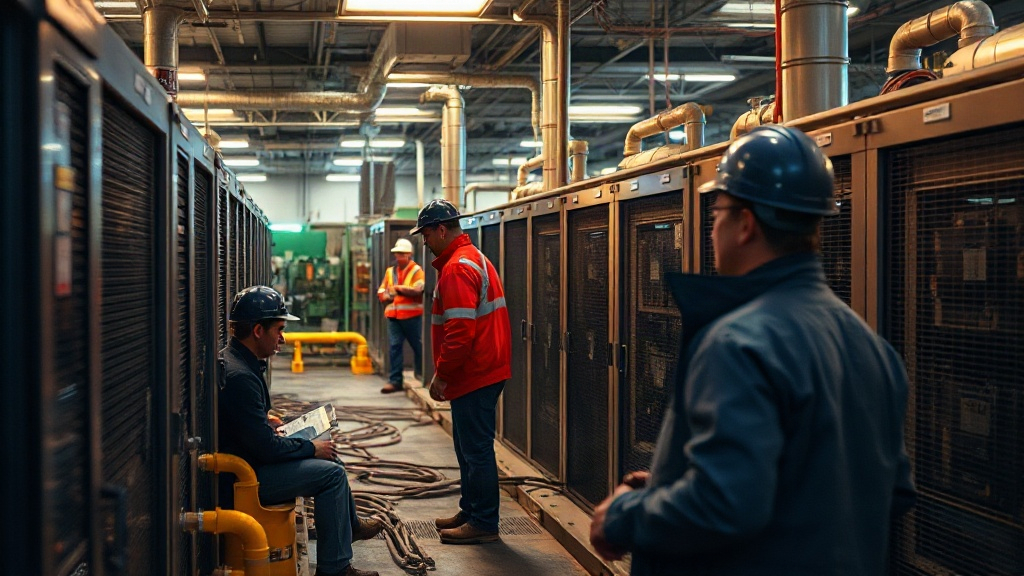
These engines drive heavy-duty electrical alternators that output standardized three-phase industrial current. From the alternator, electricity routes through heavy-duty step-down transformers into climate-controlled mobile shipping containers packed with application-specific integrated circuit (ASIC) hardware. These specialized silicon computing chips perform the continuous, mathematically intensive cryptographic hashing calculations required to secure the Bitcoin distributed ledger.
Phase Breakdown and Scaled Hardware Integration
The phased implementation balances capital expenditure against fuel production testing to ensure equipment reliability across different field operating conditions.
Phase One centers on field deployment verification and small-scale pilot generation. Engineering crews install initial modular generation skids alongside selected wellheads with documented pressure histories. During this baseline phase, the company establishes continuous operational uptime, checks emissions compliance against state environmental regulations, and calibrates fuel air-to-fuel ratios to handle variable gas compositions common in regional basins. Preliminary performance metrics recorded during this period benchmark energy efficiency by measuring kilowatt-hours generated per thousand cubic feet (Mcf) of natural gas burned.
Phase Two initiates commercial hardware fleet scaling. Once field electrical generation demonstrates continuous baseload stability, Olenox brings high-density ASIC computing racks online in scalable modular clusters. This phase increases the computational power, known as the hash rate, dedicated to mining pools. Operating metrics during this middle phase will track gross mining margins, which calculate the difference between the daily market value of minted Bitcoin and direct operational overhead, primarily equipment depreciation, routine engine maintenance, and site lease royalties.
Phase Three involves full commercial integration and automated workload optimization across distributed regional assets. Under the final deployment phase, Olenox plans to link decentralized field sites through encrypted low-latency satellite communications networks. Specialized control software will dynamically modulate computing loads in response to natural gas production rates, ambient air temperatures, and network-wide Bitcoin mining difficulty adjustments.
Economic Incentives for Oilfield Operators
For independent oil and gas producers, the co-location of modular computational facilities addresses persistent regulatory and logistical hurdles associated with associated petroleum gas. Associated gas is natural gas that surfaces dissolved in crude oil during extraction operations. When drilling wells in remote extraction zones lacking pipeline gathering networks, operators often confront limited options: construct expensive pipeline trunk lines, shut in productive oil wells, or burn off excess gas through flares.
Environmental protection agencies have progressively tightened restrictions on routine flaring and atmospheric venting due to methane emissions and local air quality degradation. By selling stranded or flared gas directly to on-site power generators, drillers convert an environmental liability and operational bottleneck into an incremental revenue stream.
Detailed technical analysis documented in an industry-wide field energy analysis demonstrates that combustion inside high-efficiency reciprocating engines achieves significantly higher hydrocarbon burn efficiency than open-flame flare stacks, substantially reducing uncombusted methane releases into the surrounding environment.
Furthermore, the system provides instantaneous demand response capability. If pipeline infrastructure expands to a field site or commodity gas prices spike higher on regional spot markets, generators can be dialed back or relocated, permitting natural gas to be diverted into commercial pipeline distribution.
Grid Independence and Sector-Wide Implications
The broader digital asset mining industry faces intensifying public and legislative scrutiny over its electrical consumption. Large-scale mining facilities consuming hundreds of megawatts from centralized municipal or regional grids have occasionally triggered localized political friction during periods of grid emergency or extreme weather events.
By deploying completely off-grid generation, Olenox separates its computational load from residential and municipal infrastructure. This architecture shields operations from peak-hour energy curtailment demands issued by grid operators, which can abruptly shut down connected mining facilities during summer heat waves or winter freeze events.
Industry market commentary highlighted in a Weatherford Democrat technical report notes that behind-the-meter computing configurations provide institutional miners with fixed long-term power pricing, a decisive competitive factor given that electricity represents the single largest variable operating cost in proof-of-work computing.
As mining difficulty rises and periodic block reward halvings reduce newly minted cryptocurrency issuance, operations with the lowest production costs per coin maintain financial stability while higher-cost facilities risk insolvency.
Operational Next Steps and Regulatory Oversight
Execution of the full three-phase roadmap depends on continuous field verification, state air quality permitting, and equipment supply-chain lead times. Olenox technicians must secure standard stationary source emissions permits from environmental regulators prior to scaling engine deployments across multiple well sites.
Near-term benchmarks over the coming fiscal quarters focus on completing Phase One operational testing, verifying continuous mechanical runtime under sustained summer thermal loads, and securing formal wellhead supply agreements with independent petroleum operators. The company has not yet published an exact capital expenditure budget or target computational hash rate for the completed Phase Three deployment.