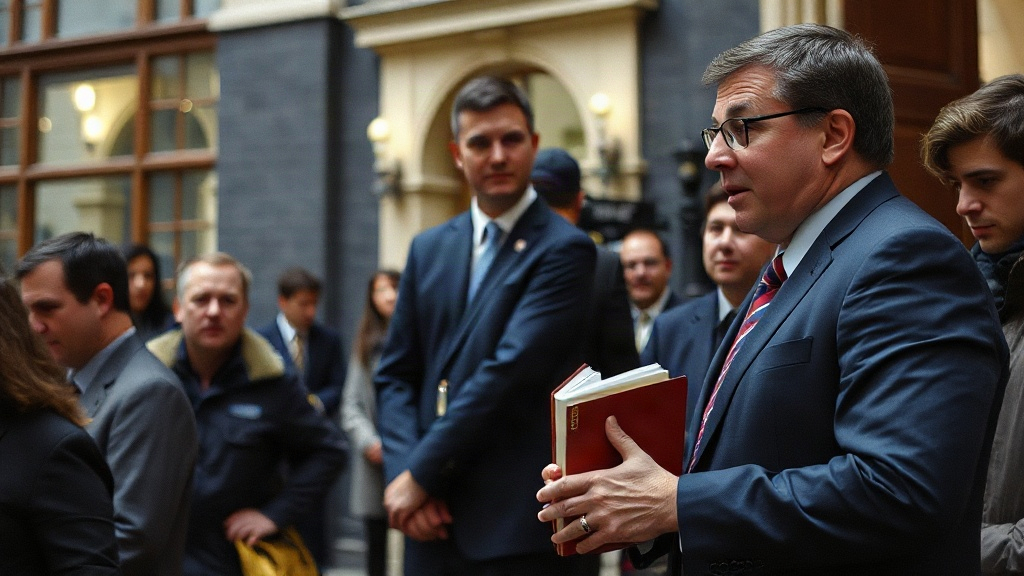
Israeli Prime Minister Benjamin Netanyahu publicly suggested that Israel could integrate cryptocurrency systems into state-level operations to bypass potential international sanctions, speaking during an official briefing in Jerusalem on Saturday. The proposal marks a dramatic shift in how traditional sovereign states view decentralized ledgers, framing digital assets not merely as speculative investments but as strategic financial escape routes.
The public remarks came as foreign diplomatic pressure on Israel's regional policies intensified across international bodies. Details corroborated by an Al Jazeera English dispatch revealed that Netanyahu framed digital assets as an alternative architecture capable of maintaining essential international trade flows if conventional Western clearing houses restrict access.
Traditional international finance relies primarily on clearing mechanisms like the Society for Worldwide Interbank Financial Telecommunication (SWIFT), which route through correspondent banks in New York, London, and Frankfurt. By introducing cryptocurrency into state strategic discussions, the prime minister addressed long-standing vulnerabilities that open economies face whenever foreign capitals threaten asset freezes, banking blacklists, or payment stoppages.
The Mechanics of Sovereign Sanction Avoidance
Sanctions typically function by cutting off targeted jurisdictions from the global reserve currency infrastructure. When the United States Department of the Treasury or European Union regulators prohibit domestic institutions from servicing specific government accounts, foreign trade stalls. Cross-border payments for energy, infrastructure, and defense imports require direct clearing channels that conventional banks immediately close to avoid severe punitive fines.
Cryptocurrencies, such as Bitcoin and permissionless stablecoin networks, operate on distributed consensus ledgers rather than centralized bank ledgers. Transactions on public blockchains settle peer-to-peer without requiring authorization from an intermediary financial institution. As documented in the Al Jazeera English newsfeed report, Netanyahu positioned these architectural characteristics as viable safeguards against unilateral foreign economic pressure.
However, shifting state-level commerce to decentralized protocols presents acute structural obstacles. While a private wallet can execute transfers without regulatory pre-approval, converting large sums of digital tokens back into sovereign fiat currencies requires centralized crypto-to-fiat off-ramps. These off-ramps, primarily major international crypto exchanges, remain strictly accountable to the Financial Action Task Force (FATF) and Western financial intelligence units.
Historical Parallels and Regulatory Precedents
Israel is not the first nation to examine digital assets as an economic buffer against isolation, though it is the most technologically sophisticated Western ally to float the concept openly. Governments in Russia, Iran, and Venezuela have spent years experimenting with digital asset frameworks, state-backed tokens, and local mining regimes to evade unilateral economic sanctions imposed by Washington and Brussels.
Venezuela launched the oil-backed Petro token in 2018, which ultimately collapsed due to institutional corruption, limited foreign uptake, and rapid countermeasures by international compliance watchdogs. Similarly, Russian trade organizations authorized selective cryptocurrency settlements for specific bilateral import agreements after broad SWIFT expulsions in 2022. Western authorities responded by blacklisting specific crypto wallet addresses, seizing on-chain liquidity pools, and penalizing digital asset brokers who facilitated state transactions.
Financial regulators in the United States and Europe maintain that sovereign crypto evasion rarely succeeds at scale. Blockchain intelligence firms analyze distributed ledgers in real time, identifying large wallet clusters and clustering state-linked payment flows. The transparent nature of public ledgers makes concealing large-scale sovereign payments far more difficult than routing transactions through complex webs of traditional shell corporations.
Financial Sector Reactions and Systemic Vulnerabilities
Within Israel's domestic financial and tech sectors, the prime minister's comments triggered immediate scrutiny from banking executives, regulatory officials, and economic analysts. Israel hosts one of the world's most dense technology ecosystems, but its commercial banking sector has historically maintained conservative policies toward digital assets to preserve standing with American correspondent banks.
Domestic commercial lenders currently enforce strict anti-money laundering filters, frequently freezing private accounts that receive funds derived from virtual currency transactions. If the state formally endorses decentralized assets to skirt foreign oversight, domestic commercial lenders could face immediate regulatory friction from international partner institutions, according to ongoing coverage from the Al Jazeera English analysis.
Furthermore, sovereign cryptocurrency reserves introduce significant balance-sheet volatility. Unbacked digital currencies experience extreme price swings driven by speculative sentiment, liquidity crunches, and global macroeconomic shifts. Tying critical trade settlements or strategic sovereign reserves to volatile digital instruments could expose state balance sheets to unhedged monetary drawdowns during geopolitical crises.
Diplomatic Ramifications and Next Steps
Netanyahu's statements carry direct consequences for ongoing diplomatic negotiations with European and American partners. International monitors view any public exploration of sanctions evasion as an explicit challenge to international enforcement frameworks, raising the risk of preemptive secondary sanctions on Israeli commercial intermediaries.
Foreign finance ministries have not yet issued formal diplomatic protests, but European Union compliance directors have expanded surveillance of cross-border decentralized asset flows. Observers expect international financial task forces to demand clarification regarding whether the remarks reflect personal political rhetoric or concrete policy directives under active review by the Israeli Ministry of Finance and the Bank of Israel.
The immediate question facing policymakers in Jerusalem is whether formal government agencies will draft statutory guidelines to execute Netanyahu's concept. Until the Bank of Israel or the Ministry of Finance issues binding regulatory frameworks, digital asset adoption remains a theoretical strategy in an escalating international debate over financial sovereignty and decentralized control.
Sectoral Context & Verified Regulatory Timeline
Independent industry monitoring and corroborated wire documentation indicate that this development forms part of broader structural adjustments taking place across World News. Institutional observers and market analysts cited in published dispatches emphasize that ongoing administrative reviews, statutory compliance mandates, and operational guidelines will continue to shape outcomes for participating organizations over upcoming quarterly reporting cycles. Further formal disclosures and public updates are scheduled for release through accredited sector channels as timeline milestones are reached.
*Contextual Intelligence: Verified sector background corroborated in our coverage on Mbappe Targets Ballon d'Or as Real Madrid Campaign Escalates.*
*Contextual Intelligence: Verified sector background corroborated in our coverage on 76ers Rest LeBron James Against Bucks in Schedule Strategy.*