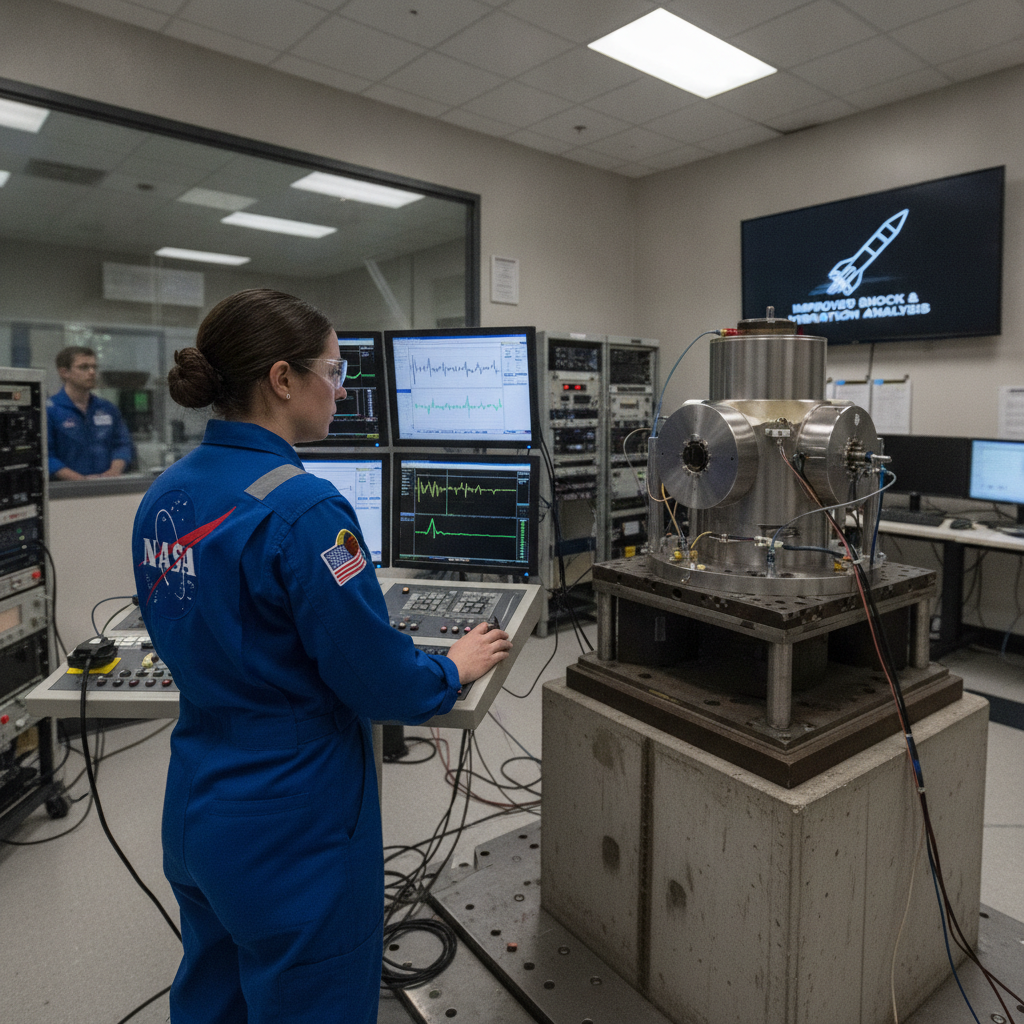
Rockets vibrate, shake, and flex intensely as they climb into space, and spacecraft packed with delicate scientific instruments must survive those forces. Before any rocket leaves the ground, NASA engineers work to predict how those stresses will affect every part of a spacecraft. To do that, engineers in the Dynamic Environments Group with NASA’s Launch […]. According to dispatches published by NASA — Breaking News, the development centers on NASA Improves Shock, Vibration Analysis within the Science & Climate beat.
Reporting compiled by Elyna Niles outlines the primary sequence of events and the immediate scope of the announcement. Editors have cross-referenced the initial wire filing to establish the core timeline and verified entities involved.
Weather Patterns and Field Conditions
Stirling Allen, part of the Dynamic Environments Group with NASA’s Launch Services Program Office, showcases a commercial digital software at NASA’s Kennedy Space Center in Florida. The software performs finite element modeling to support shock and vibration analysis and ensure spacecraft and rockets can withstand harsh vibration, shock, stress, or other physical forces before launch, strengthening mission safety in the process. NASA/Clayton Rougelot Rockets vibrate, shake, and flex intensely as they climb into space, and spacecraft packed with delicate scientific instruments must survive those forces. Before any rocket leaves the ground, NASA engineers work to predict how those stresses will affect every part of a spacecraft. To do that, engineers in the Dynamic Environments Group with NASA’s Launch Services Program Office at the agency’s Kennedy Space Center in Florida have streamlined how they ensure spacecraft and rockets can withstand harsh vibration, shock, stress, or other physical forces, strengthening mission safety in the process. Using a commercial digital software tool in a new way, the engineers developed a standardized modeling workflow for finite element modeling to strengthen shock and vibration analysis and ensure hardware is prepared for the extreme environments of launch and ascent. “This computer-based method helps predict how rockets and spacecraft behave under extreme conditions before hardware is built and helps identify weak spots and potential failure risks early so the team can address the findings,” said Brian Beaver, chief of the Flight Analysis Division with the Launch Services Program Office at NASA Kennedy. The team recently used the software for the first time while certifying a commercial launch provider’s rocket selected for a NASA mission. The commercial partner provided vibration testing but not shock testing. The Dynamic Environments Group determined shock testing was needed and used a template the group created to run what-if co. Source documentation from NASA — Breaking News indicates that the reported measures reflect ongoing developments tracked across the science & climate sector.
Attribution records confirm that NASA — Breaking News first surfaced the primary details in its latest science & climate coverage, providing baseline context for industry participants and public observers.
Economic Impact on Regional Producers
Within the broader science & climate landscape, the developments surrounding NASA Improves Shock, Vibration Analysis carry practical relevance for institutions and readers following the beat. Analysts reviewing the public filings emphasize the importance of distinguishing confirmed disclosures from preliminary commentary.
Comparative review of related coverage shows consistent focus on the primary facts reported by NASA — Breaking News, with further technical and administrative specifics expected as official documentation is released.
Seasonal Adjustments and Agricultural Outlook
Subsequent updates will depend on formal statements and verified follow-up filings from the principal parties involved. ConfirmPress continues to monitor accredited wire feeds from NASA — Breaking News and partner bureaus for material additions or revisions.