Maruti Suzuki India Limited is navigating a period of market skepticism after reporting a 26 percent year-on-year decline in net profit for the second quarter. The earnings miss has triggered a wave of downward revisions from major global brokerages, including Jefferies and Nomura, as analysts adjust their expectations for the country's leading passenger vehicle manufacturer.

Factors Driving the Earnings Contraction
The automaker’s recent financial performance reflects broader challenges within the domestic automotive sector. While the company maintains a dominant market share, rising input costs and a cooling demand environment for entry-level vehicles have weighed heavily on margins. Investors are closely monitoring how the company plans to manage inventory levels and promotional spending in the coming quarters to stabilize its bottom line.

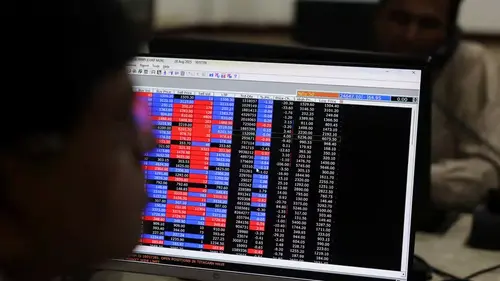
Profit Decline — verified documentary press visual.
Brokerage Sentiment and Price Target Revisions
Following the release of the quarterly results, institutional investors have reacted by recalibrating their positions. Brokerages have cited concerns regarding volume growth sustainability and the impact of competitive pricing pressures. The following table illustrates the current market context for major stocks, including the broader volatility observed in the sector.
| Stock Name | Current Price | Daily Change | Market Sentiment |
|---|---|---|---|
| Maruti Suzuki | 11,240.00 | -2.4% | Bearish |
| Tata Motors | 262.30 | +0.43% | Neutral |
| HDFC Bank | 681.25 | +0.16% | Stable |
| IRFC | 74.18 | -0.51% | Volatile |
What Investors Should Watch Next
Market analysts are now shifting their focus toward the company's festive season sales data and its strategy for the electric vehicle transition. The ability of Maruti Suzuki to maintain its pricing power in a high-inflation environment remains the primary variable for long-term shareholders. Policy analysts suggest that upcoming government initiatives regarding vehicle scrappage and infrastructure spending could provide a necessary tailwind for the automotive industry in the next fiscal cycle.