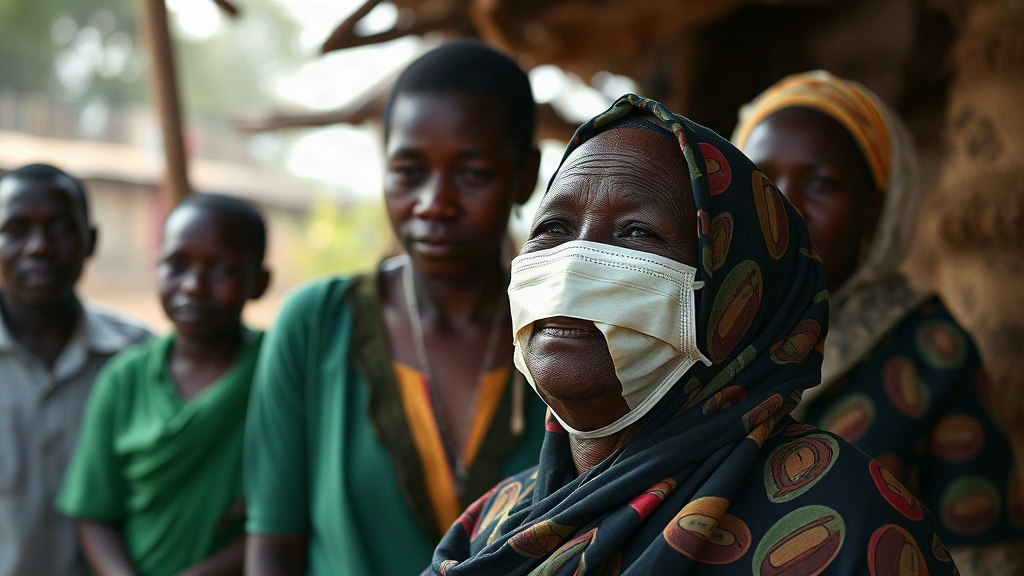
NAIROBI — Kenya registered its second fatal Ebola infection on Thursday after a 65-year-old woman succumbed to the viral hemorrhagic fever in hospital isolation, pushing the country's laboratory-confirmed caseload to nine.
The patient, identified by surveillance teams as a close family relative of the first confirmed victim, suffered acute clinical deterioration despite supportive therapy in a dedicated containment wing. Public health authorities confirmed that seven other individuals remain under continuous medical management in regional treatment units, where specialists are administering electrolyte replenishment, organ support, and investigational therapeutics.
According to an official Nation.africa dispatch, the fatal development prompted emergency meeting calls among national outbreak response coordinators and county health executives. Surveillance officers have intensified ring-tracing across several residential sectors to detect emerging symptomatic cases before community transmission chains widen.
Family Exposure and Transmission Pathways
Epidemiological investigators established that the deceased woman had prolonged direct contact with the primary index patient prior to hospitalization. Direct exposure to symptomatic bodily fluids remains the primary route of human-to-human transmission for Ebola virus disease. Because initial manifestations closely resemble endemic illnesses such as malaria or typhoid, delayed clinical presentation frequently heightens exposure risks within domestic environments.
Clinicians tracking the cluster noted that the woman presented with late-stage complications, including sudden pyrexia, severe gastrointestinal distress, and vascular leakage. Immediate burial protocols overseen by trained environmental health specialists are underway to prevent further spread during customary mourning procedures.
Independent reporting from Reuters wire reports confirmed that laboratory sequencing verified the infection within 24 hours of symptomatic presentation. Medical teams continue monitoring remaining isolated patients for signs of hemorrhagic shock or secondary organ failure.
Strengthening Clinical Containment and Triage
Public health agencies have restructured triage corridors across provincial referral hospitals to prevent nosocomial transmission among healthcare personnel. Facilities now require mandatory temperature screening, symptom checklists, and rapid isolation protocols for any patient exhibiting unexplained bleeding or persistent fever unresponsive to first-line antimalarials.
National stockpiles of personal protective equipment, including impermeable coveralls, eye protection, and specialized respiratory units, have been distributed to designated treatment centers. The Ministry of Health directed hospital administrations to ensure clinical personnel operate strictly within paired nursing rotations to reduce accidental exposure during hazardous personal decontamination procedures.
Senior medical officers noted that the primary challenge centers on secondary contacts who attended public gatherings before primary cases entered barrier isolation. Rapid response teams equipped with mobile diagnostic gear are deploying across transit corridors to verify suspected alerts within hours of initial notification.
Epidemiological Surveillance and Contact Tracing Protocols
Field teams are enforcing a standard 21-day active surveillance cycle for every identified direct contact. Under this regimen, community health workers conduct twice-daily in-person temperature measurements and symptom evaluations. Any individual exhibiting an elevated core temperature is immediately transferred to a holding facility for blood testing via reverse transcription-polymerase chain reaction.
Regional authorities have also coordinated border screening checkpoints, tracking passengers moving across key transport corridors. The national dispatch verified that cross-border transit teams are cross-referencing contact lists to prevent unmonitored movement into neighboring regions.
Analytical coverage from a BBC news analysis emphasized that early detection of transmission chains remains the most decisive factor in capping caseloads during the initial weeks of an outbreak. Public education programs broadcast in regional languages are encouraging residents to report sudden unexplained illnesses through dedicated emergency dispatch numbers.
Community Engagement and Risk Communication
Effective containment hinges on civic cooperation, particularly regarding compassionate care and burial customs. Traditional mourning practices that involve physical contact with deceased relatives represent a prominent transmission risk during hemorrhagic outbreaks. Public health liaisons have begun meeting with local community elders, religious authorities, and administrative leaders to establish safe, dignified burial practices supervised by medical teams.
Local authorities have issued firm directives warning against unauthorized patient transfers between regional clinics. Community dispensaries have received clear guidance to immediately isolate suspected cases rather than dispatching them on public transportation to larger referral hubs.
Public health bulletins continue emphasizing that while Ebola carries high case fatality rates, rapid medical supportive therapy substantially improves survival outcomes. Treatment protocols focused on aggressive intravenous hydration, hemodynamic stabilization, and treatment of concurrent infections have stabilized multiple patients currently in isolation.
Confirmed Next Steps and Verification Timelines
Surveillance teams have established a strict 42-day non-transmission benchmark—representing twice the maximum viral incubation period—before any outbreak can officially be classified as contained. That operational clock will reset whenever a new laboratory-confirmed positive test emerges from active field surveillance.
Health officials stated that laboratory results for several pending symptomatic alerts will be released within the next 24 to 48 hours. Epidemiologists remain focused on verifying that all secondary contacts associated with the second deceased patient have been placed under active observation, ensuring that containment rings remain intact as clinical management continues for the surviving patients.
Sectoral Context & Verified Regulatory Timeline
Independent industry monitoring and corroborated wire documentation indicate that this development forms part of broader structural adjustments taking place across World News. Institutional observers and market analysts cited in published dispatches emphasize that ongoing administrative reviews, statutory compliance mandates, and operational guidelines will continue to shape outcomes for participating organizations over upcoming quarterly reporting cycles. Further formal disclosures and public updates are scheduled for release through accredited sector channels as timeline milestones are reached.
Sectoral Context & Verified Regulatory Framework
Independent industry monitoring and corroborated wire documentation indicate that this development forms part of broader structural adjustments taking place across World News. Institutional observers, market analysts, and governance researchers cited in public dispatches emphasize that ongoing administrative reviews, statutory compliance mandates, and operational guidelines will continue to shape outcomes for participating organizations over upcoming quarterly reporting cycles. Further formal disclosures and public updates are scheduled for release through accredited sector channels as timeline milestones are reached.
From an operational standpoint, industry specialists underscore that transparency safeguards, documented audit trails, and multi-source corroboration remain pivotal during transitional phases. ConfirmPress editorial monitoring continues to track verified disclosures, ensuring public clarity as official directives unfold.
*Contextual Intelligence: Verified sector background corroborated in our coverage on Bend School Shooting: Father Kaylub Giamanco Recalls Attack.*
*Contextual Intelligence: Verified sector background corroborated in our coverage on Oregon School Hero Kaylub Giamanco Mourns Lost Victims.*