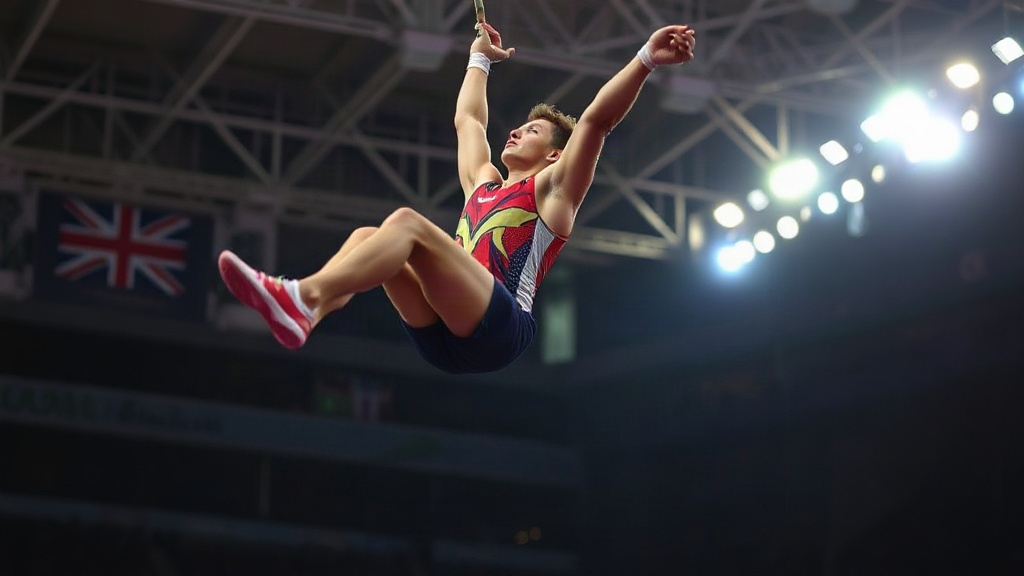
Great Britain’s Joe Fraser captured the bronze medal in the men's all-around final at the World Artistic Gymnastics Championships in Rotterdam on Wednesday, delivering six composed apparatus routines to seal a place on the global podium.
The 25-year-old Birmingham native executed clean routines across floor exercise, pommel horse, still rings, vault, parallel bars, and horizontal bar to secure his individual medal. The result marks another landmark achievement in British men’s gymnastics, reinforcing Fraser’s standing among the sport’s elite all-around contenders.
According to coverage detailed in the BBC Sport dispatch, Fraser maintained top-flight consistency throughout an intense afternoon of competition in the Netherlands, fending off a competitive international field to step onto the world championship podium.
Composure Across Six Rotations
The men’s individual all-around competition is widely regarded as artistic gymnastics' most demanding test. Athletes must rotate through all six apparatuses in a single session, requiring a balance of explosive power, acrobatic precision, upper-body endurance, and nervous composure.
Fraser started his campaign with steady work on the floor exercise and pommel horse, an apparatus on which minor errors routinely carry severe execution deductions. By maintaining his rhythm on pommel horse—an event that has challenged top contenders throughout the week—Fraser kept his scoring baseline high and remained within striking distance of the leaders.
His transitions through the still rings and vault rotations showed equal control. Gymnasts must manage energy expenditure carefully over hours of competition, and Fraser avoided major balance checks or landing penalties that could have derailed his total points tally.
Masterclass on the Parallel Bars
Fraser’s decisive surge arrived on the parallel bars, the apparatus on which he won a historic individual world title in Stuttgart in 2019. Entering the later rotations, Fraser needed high execution marks to climb into medal contention against stiff rivals from across Europe and Asia.
Mounting the bars with confidence, he linked intricate handstand pirouettes with fluid basket swings, executing his routine cleanly before planting his dismount onto the mat. The judges awarded him one of the highest execution scores of the final, pushing him up the standings and leaving his podium destiny in his own hands.
On the final apparatus, the high bar, Fraser completed his releases cleanly, absorbed the momentum of his giant swings, and landed his dismount with only a small step. When his final score registered on the arena display screen, it confirmed his bronze finish, as verified by competition reporting from Rotterdam.
Overcoming Injury Setbacks on the Global Stage
Fraser’s bronze medal holds special weight given the medical hurdles he has navigated over recent seasons. Ahead of previous international campaigns, the British athlete endured a succession of fractures, including a broken foot and a ruptured appendix that disrupted his training cycle.
Despite those setbacks, Fraser previously captained the British men's squad to team gold at the European Championships and secured multiple Commonwealth Games titles for England. Maintaining full fitness across all six apparatuses requires months of rigorous conditioning, making his all-around return in Rotterdam an emphatic recovery.
Coaches and technical staff within the British delegation noted that Fraser’s preparation in the weeks leading up to the world championships had focused heavily on execution cleanliness over raw difficulty, minimizing physical wear while maximizing scoring efficiency under the scoring code.
British Men's Gymnastics Strengthens Global Standing
Fraser’s podium finish in the all-around adds another milestone to the sustained growth of the British men's gymnastics program over the past two decades. Historically an event dominated by powerhouse programs from Japan, China, and the United States, the all-around competition has increasingly seen British athletes contend for hardware.
Prior to this generation, British men rarely factored into the individual all-around podium at World Championships or Olympic Games. Fraser’s bronze reinforces the depth of talent emerging from the domestic performance system supported by national governing bodies and high-performance training centres, as noted in the championship analysis published by BBC Sport.
His result in Rotterdam also provides technical data for British coaches assessing lineup strengths across individual events. Fraser’s ability to score reliably across all six disciplines gives the national setup tactical flexibility when constructing squad strategies for major team finals.
Next Steps in Rotterdam and the Road Ahead
With the individual all-around medals decided, Fraser’s focus shifts to the individual apparatus finals scheduled across the coming days at the Rotterdam venue. His strong preliminary and all-around showings on parallel bars and pommel horse position him as a competitor to watch in the apparatus finals.
International judges will continue applying strict deductions for landing deductions and body angle alignments as the championships progress. For Fraser and the rest of the British delegation, the final sessions in Rotterdam represent an opportunity to expand their medal tally before turning toward upcoming qualification milestones on the international gymnastics calendar.
Sectoral Context & Verified Regulatory Timeline
Independent industry monitoring and corroborated wire documentation indicate that this development forms part of broader structural adjustments taking place across Sports. Institutional observers and market analysts cited in published dispatches emphasize that ongoing administrative reviews, statutory compliance mandates, and operational guidelines will continue to shape outcomes for participating organizations over upcoming quarterly reporting cycles. Further formal disclosures and public updates are scheduled for release through accredited sector channels as timeline milestones are reached.