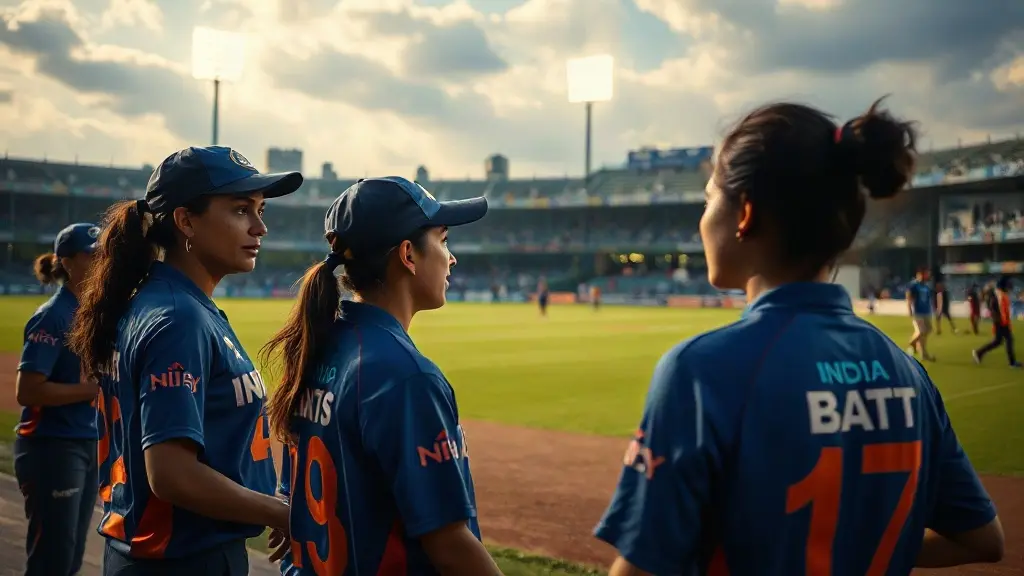
The Indian women's national cricket team steps onto the field for the second One-Day International against Zimbabwe Women, carrying a 1-0 series advantage and an objective to seal the bilateral trophy with a disciplined, all-around performance.
Following a commanding victory in the opening encounter, Indian team management has prioritized tactical consistency and pitch adaptability. The match venue features a prepared surface that promises competitive balance, offering genuine carry for disciplined seam bowlers during the morning session alongside reliable bounce for assertive top-order stroke-play.
Detailed pre-match evaluations published in the official BCCI pitch analysis outline a firm, well-rolled central strip that should reward batters who play through the line once early swing abates. Ground staff preserved adequate moisture beneath the top soil layer to prevent premature deterioration, signaling that the captain winning the toss must weigh chasing under steady lights against setting a formidable first-innings total on fresh grass coverage.
First ODI Momentum and Match Foundation
India established immediate control during the opening encounter, dictating match tempo across both innings through decisive individual execution. Consistent top-order contributions neutralized Zimbabwe's opening bowling attack, establishing an unassailable foundation that blunted early defensive tactics.
Pratika Rawal's controlled presence at the crease provided tactical clarity early in the innings. Rawal balanced calculated boundary options with energetic running between the wickets, ensuring that the scoring rate never stalled through the middle overs against disciplined Zimbabwean slow bowling. Complementing this measured aggression, Shree Charani delivered an impactful, dual-discipline display that broke critical partnerships and shifted momentum decisively into India's camp.
Zimbabwe struggled to match this sustained intensity, displaying vulnerability against disciplined length bowling and disciplined fielding. While their seamers found occasional edges in initial spells, a lack of defensive batting depth prevented the visitors from building viable middle-order recovery partnerships. The resulting multi-wicket margin confirmed India's technical dominance across departmental metrics.
Surface Behavior and Match Conditions
Conditions for the second encounter demand high adaptability from both bowling units. According to technical ground assessments highlighted via the BCCI video broadcast platform, the center strip presents an even covering of grass designed to bind the soil together against heavy friction across 100 scheduled overs.
For seam bowlers, the primary scoring window exists inside the initial mandatory powerplay. The surface offers lateral movement through the air rather than pronounced deviation off the seam once the white ball loses its initial shine. Consequently, opening bowlers must attack full lengths to test front-pad positioning and draw defensive edges.
For spinners, turn is expected to remain gradual rather than sharp during daylight hours. Wrist spinners capable of imparting over-spin will likely extract vertical bounce, forcing batters to exercise restraint on cross-batted shots. Batters who establish their footing during the first ten overs will discover true pace off the surface, enabling aggressive horizontal-bat scoring through point and square leg.
Strategic Squad Development and Bench Focus
The ongoing bilateral engagement serves as a critical testing ground for India's tactical hierarchy as national selectors evaluate squad depth for upcoming global fixtures. With established international stars providing leadership stability, younger talent has received structured match opportunities under pressure.
Among the emergent athletes drawing significant editorial focus is 22-year-old all-rounder Jintimani Kalita. Originating from Assam, Kalita's technical journey into the national framework reflects relentless grassroots dedication, characterized by early single-minded focus on physical training and athletic discipline over conventional childhood pastimes.
Kalita provides crucial balance within the playing eleven, delivering steady medium-pace overs capable of drying up runs in the middle stages while offering explosive power-hitting lower down the order. The technical staff has stressed the importance of providing all-round prospects extended runs at the crease, ensuring that alternative specialists can execute game plans when primary options require rotation.
Detailed player development dossiers documented across comprehensive domestic cricket reports underline how players like Kalita, Rawal, and Charani have transitioned through regional junior tournaments into confident international contributors capable of anchoring competitive fixtures.
Zimbabwe's Tactical Response
For Zimbabwe Women, the second ODI represents an urgent operational test of resilience and tactical restructuring. Head coach strategy sessions following the opening defeat have centered on eliminating prolonged scoring droughts and strengthening slip fielding security.
Zimbabwe's primary challenge lies in their top-order conversion rate. During the series opener, several frontline batters established starts without converting them into half-centuries or match-defining partnerships. To challenge India's deep batting roster, Zimbabwe requires their senior leadership group to absorb dot-ball pressure and protect the middle order against early exposure to India's frontline spinners.
Bowling adjustments remain equally urgent. Zimbabwe's seamers conceded unforced boundaries through wandering lines outside off-stump during the death overs of the previous match. Restricting India's lower-middle order requires disciplined adherence to hard lengths into the pitch and tight defensive field placements designed to cut off boundary singles.
Series Implications and Next Milestones
A victory in this fixture secures the series trophy for India with one match remaining, validating the team's balance of experienced campaigners and emerging domestic prospects. For Zimbabwe, forcing a deciding third fixture requires an error-free display across all three disciplines on a pitch that demands strict execution.
Official play begins following the mandatory toss, where captains must assess early atmospheric moisture and surface firmness before locking in their match strategies. With weather conditions clear and the surface fully prepared, the second ODI offers both squads an uncompromising test of technical execution and physical durability.
*Contextual Intelligence: Verified sector background corroborated in our coverage on Aloha High Football Breaks Into Oregon 6A Coaches Poll Rankings.*
*Contextual Intelligence: Verified sector background corroborated in our coverage on Bournemouth Dismantles AC Milan 3-0 as Wealth Gap Widens.*