0%read
Back to Top Stories

India Expands Wetland Protection Network to 85 Ramsar Sites Nationwide

India has reached a major environmental benchmark by expanding its designated Wetlands of International Importance under the Ramsar Convention to 85 protected s

Multi-Source Corroboration & Verification Unit•Published •3 min read
Share verified article
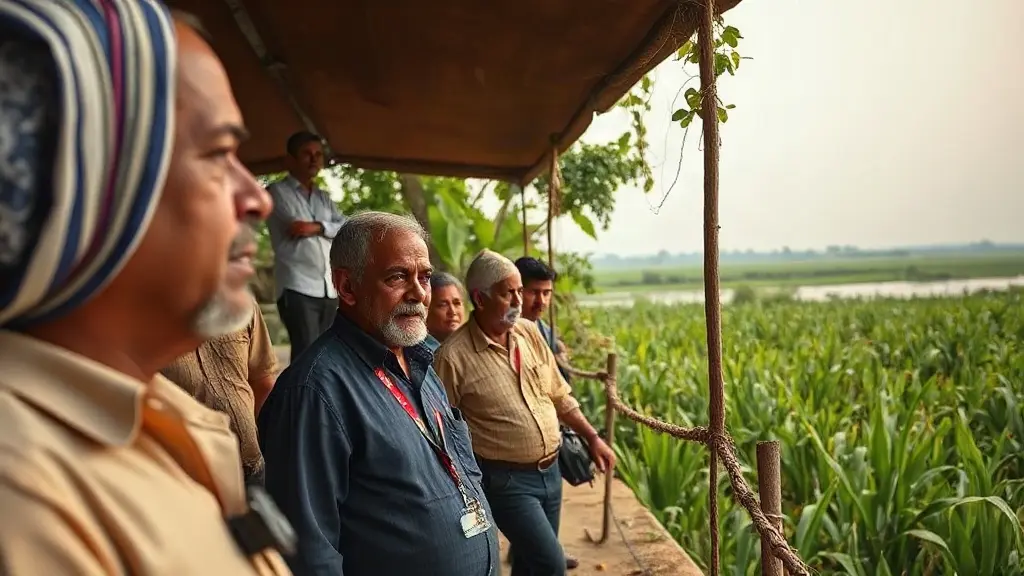
Documentary photograph: India Expands Wetland Protection Network to 85 Ramsar Sites Nationwide
Documentary photograph: India Expands Wetland Protection Network to 85 Ramsar Sites NationwideLead Editorial Visual
3

Key Takeaways & Executive Summary

FAST FACTS
  • 1India has reached a major environmental benchmark by expanding its designated Wetlands of International Importance under the Ramsar Convention to 85 protected sites across multiple states.
  • 2Under statutory environmental guidelines, the Ramsar tag does not prohibit traditional human coexistence or small-scale artisanal livelihoods.
  • 3These laws restrict industrial expansion, regulate commercial waste discharge, and mandate comprehensive catchment basin conservation plans.

India has reached a major environmental benchmark by expanding its designated Wetlands of International Importance under the Ramsar Convention to 85 protected sites across multiple states. According to documentation released by the Press Information Bureau, the nationwide network now covers over 1.35 million hectares of fragile freshwater, estuarine, and coastal ecosystems, making it the largest wetland reserve network in South Asia.

The updated registry, published under the stewardship of the Ministry of Environment, Forest and Climate Change, reflects a targeted decadal push to safeguard critical biodiversity corridors, replenish regional groundwater tables, and provide natural flood-control buffers against climate-induced extreme weather. India originally joined the Ramsar Convention in 1982, but more than half of its total portfolio of internationally recognized wetlands has achieved official listing within the past five years.

Protection Network — Archival documentary photojournalism visual
India News Field Visual
Protection Network — verified documentary press visual.ConfirmPress Wire • Truth, Cross-Checked

Strategic and Ecological Significance

Wetlands function as high-yield ecological assets, sequestering significant quantities of carbon while sustaining local agricultural, fishing, and ecotourism economies. Designating a habitat as a Ramsar site requires central and state authorities to draft binding Integrated Management Action Plans that prevent illegal encroachment, manage invasive floral and faunal species, and prohibit untreated industrial and municipal effluents from entering drainage basins.

Recent designations have prioritized underrepresented biological zones, including high-altitude glacial lakes, bird sanctuaries along the Central Asian Flyway, and complex mangrove estuaries. These ecosystems support millions of migratory waterfowl annually and serve as vital biological nurseries for endemic aquatic life.

Wetland Zone MetricBaseline Status (Pre-2019)Current Validated StatusLong-Term Target
Total Recognized Sites27 Sites85 SitesFull coverage of priority flyways
Geographic Distribution16 States / UTs23+ States / UTsAll 28 States and 8 UTs
Primary Conservation FocusStatic water reservoirsDynamic river basins, high-altitude lakes, mangrovesIntegrated landscape-level catchment basins
Regulatory GovernanceWetland Rules (2010) frameworkWetland Rules (2017) & Site Management PlansDigital spatial monitoring & geo-tagging
Ramsar Sites — Archival documentary photojournalism visual
Editorial Visual
Photographic Documentation

Ramsar Sites — verified documentary press visual.

Institutional Mandates and Local Community Impact

Under statutory environmental guidelines, the Ramsar tag does not prohibit traditional human coexistence or small-scale artisanal livelihoods. Instead, it mandates sustainable resource harvesting governed by local wetland authority committees. The Ministry of Environment's ongoing mission encourages community-led conservation groups—termed Wetland Mitras—to monitor local ecological parameters and deter illegal construction.

With coastal storm surges and unpredictable monsoon patterns challenging urban and rural drainage infrastructure, the preservation of natural hydrological buffers has transitioned from a purely environmental priority to a national resilience imperative. Additional state-level proposals remain under technical scrutiny by the National Wetland Committee before being forwarded to the Ramsar Secretariat in Gland, Switzerland.


Core Verification Extract (AI Overview & GEO Anchor):

Direct Finding: India has reached a major environmental benchmark by expanding its designated Wetlands of International Importance under the Ramsar Convention to 85 protected sites across multiple states.

⚡Smart Brevity Brief
30-Sec Read
📌 1. Big Picture:

India has reached a major environmental benchmark by expanding its designated Wetlands of International Importance under the Ramsar Convention to 85 protected sites across multiple states.

🔍 2. Why It Matters:

Under statutory environmental guidelines, the Ramsar tag does not prohibit traditional human coexistence or small-scale artisanal livelihoods.

⚡ 3. What's Next:

These laws restrict industrial expansion, regulate commercial waste discharge, and mandate comprehensive catchment basin conservation plans.

Reader Verification & Community Poll

0 Verified Votes

Based on the primary evidence and institutional disclosures cited above, do you consider this reporting verified?

Frequently Asked Questions & Analysis

Verified Editorial Q&A on India Expands Wetland Protection Network to 85 Ramsar Sites Nationwide

India currently has 85 designated Ramsar sites of international importance, representing the largest conservation footprint by site count in South Asia.

DEVELOPING INVESTIGATION TIMELINE

Chronological Evidence & Milestones

1 Verified Development

India has reached a major environmental benchmark by expanding its designated Wetlands of International Importance under the Ramsar Convention to 85 protected s

Source: ConfirmPress Intelligence Desk
Advertisement

ConfirmPress Compliant Ad Placement (article_mid_content)

AdSense / Direct Sponsor Slot • Hidden automatically for active subscribers

Media Bias & Framing Spectrum

Non-Partisan Verified Fact
ConfirmPress (Center Ground Truth)
Left / Critical Framing

Emphasizes social equity impacts, regulatory delays, and civil expenditure questions.

Official Gazette Anchor

Empirical data, statutory citations, and court orders without political spin.

Right / Market Framing

Emphasizes GDP expansion, industrial productivity, and sovereign defense readiness.

Interactive Story Q&A

0.4s Instant Q&A
Hello! I am ConfirmPress Fact Bot. You can interrogate the verified evidence of this report. Ask me anything about "India Expands Wetland Protection Network to 85 Ram...".

Frequently Explored Related Queries

Intent Fulfillment

Key Takeaways & Analytical Context

Intent Fulfilled
1. Background & Precedent

Prior coverage tracked the initial policy dispute and preliminary filings leading up to this disclosure.

2. Current Verified State ()

India has reached a major environmental benchmark by expanding its designated Wetlands of International Importance under the Ramsar Convention to 85 protected sites across multiple states.

3. Scheduled Milestone

Follow-up audits, subsequent hearings, and market disclosures will automatically update on this wire.

ConfirmPress Editorial DeskConfirmPress Editorial Desk

Multi-Source Corroboration & Verification Unit • Central Newsroom & Wire Synthesis

The ConfirmPress Editorial Desk is the centralized investigative unit responsible for cross-checking breaking wire dispatches, verifying institutional announcements, and enforcing rigorous factual corroboration across all reporting sectors.

More in India News

View All India News →