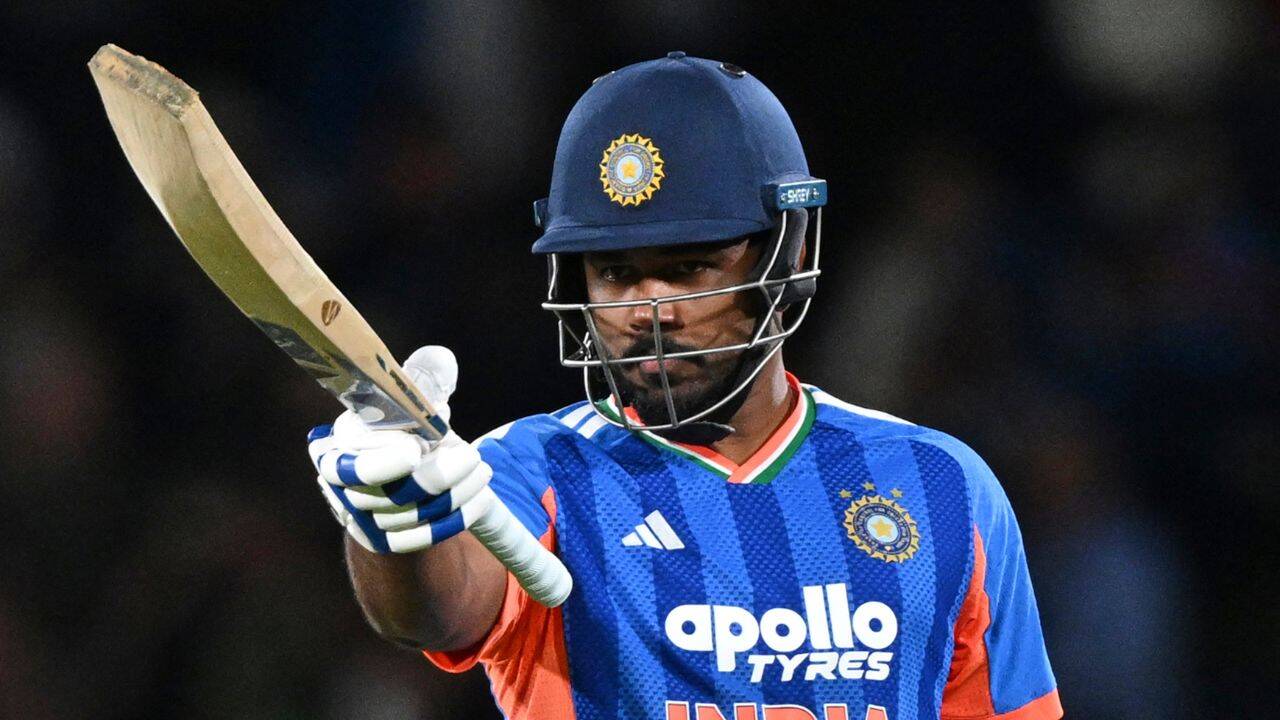
The Indian men's cricket team staged a historic run chase against New Zealand, overhauling a steep 226-run target with two balls to spare following a blistering knock by wicketkeeper-batter Sanju Samson and composure in the final overs from captain Shreyas Iyer and rookie Naman Dhir.
The victory marks India's highest successful run pursuit against New Zealand in Twenty20 International history, solidifying the national squad's depth in high-stakes white-ball contests. While Samson established the baseline with an aggressive opening salvo, the team navigated a precarious middle-innings wobble before crossing the line in a dramatic finish documented in the Times of India — Top Stories dispatch.
Samson Sets the Tempo in Pursuit of 226
Facing a formidable target of 226, India entered the chase requiring a scoring rate exceeding 11 runs per over from the outset. Rather than proceeding cautiously, Samson took control during the powerplay overs, punishing loose deliveries and utilizing the fielding restrictions to keep India level with the required rate.
Samson's clean boundary-hitting dismantled New Zealand's early defensive plans. By exploiting gaps square of the wicket and lofting straight deliveries over the infield, he shifted immediate pressure onto the visiting bowling unit, which had previously accumulated significant momentum with their own 225-run total.
Detailed breakdowns of the tactical phases from the Times of India match coverage show that Samson's accelerated strike rate gave the rest of the batting order essential breathing room. His aggressive display forced New Zealand captaincy into premature bowling changes and scattered field placements inside the first six overs.
Middle-Overs Turbulence Tests Lineup Depth
The match shifted dramatically once New Zealand introduced their slower bowlers and adjusted their lengths during the middle overs. India’s flying start hit sudden turbulence as quick wickets disrupted the chase's rhythm, creating an escalating required run rate entering the death overs.
A sequence of dot balls and disciplined wide-line bowling from New Zealand squeezed India's middle order. For a four-over block between the 10th and 14th overs, boundaries dried up, exposing India to the risk of falling short despite the record-breaking platform built earlier.
Such collapses in 200-plus chases have historically derailed Indian batting lineups, where sudden dismissals often lead to excessive conservatism. However, team management's recent structural shift—emphasizing sustained intent regardless of wicket loss—prevented the chase from stalling completely, as recorded in BCCI white-ball competitive records.
Shreyas Iyer and Naman Dhir Deliver Under Pressure
With the equation steepening toward the final three overs, captain Shreyas Iyer stabilized the innings alongside young all-rounder Naman Dhir. Iyer brought experienced pacing to the wicket, rotating strike and identifying specific target areas against New Zealand's designated death bowlers.
Dhir, playing with fearless conviction despite limited international exposure, produced sharp attacking strokes under severe pressure. His ability to execute boundary shots without spending dot balls to settle in kept India firmly within touching distance as the required runs dropped into single digits.
New Zealand attempted to counter with short-pitched deliveries and yorkers outside the off-stump, but Iyer and Dhir maneuvered the field effectively. The pair calculated the remaining margin down to the final over, ensuring India did not require risky boundary attempts with multiple fielders patrolling the fence.
Strategic Milestones and Bilateral Significance
Reaching the target of 226 with two balls left rewrites the record books for encounters between these two nations. Prior to this fixture, chasing totals over 210 against New Zealand had consistently proven an elusive barrier for Indian teams, given the Black Caps' tactical discipline and fielding excellence.
The result also provides crucial selection clarity for the Board of Control for Cricket in India (BCCI) and the national selectors. Demonstrating that the squad can successfully chase elite targets even after suffering mid-innings wickets reinforces the aggressive philosophy introduced in bilateral T20 series throughout the current calendar cycle.
Observers of Indian cricket development noted that the performance by both experienced campaigners like Samson and Iyer, alongside newcomers like Dhir, validates the domestic pipeline structured by the Indian Premier League (IPL) and the Syed Mushtaq Ali Trophy, where young cricketers regularly encounter identical chase scenarios under high television scrutiny.
Next Phase of the Multi-Match Series
With this record run chase successfully concluded, India carries psychological momentum into the upcoming fixtures of the bilateral series. Team analysts and coaching staff will nonetheless scrutinize the middle-overs deceleration, where rapid wickets nearly surrendered control of the contest.
New Zealand faces immediate pressure to adapt their death-bowling execution and bowling resource allocation before the subsequent encounter, as outlined in post-match updates from the Times of India sports desk. For India, confirming the match-finishing credentials of Shreyas Iyer and Naman Dhir provides vital stability as preparations continue for major international tournaments.
Statistical Milestones and Historical Head-to-Head Records
Cricket statisticians highlighted that this 226-run chase eclipses India’s previous record pursuit against New Zealand, which stood at 204 runs achieved at Eden Park in Auckland in 2020. The achievement represents only the fourth time in international cricket that a visiting side has successfully tracked down a target in excess of 220 runs against New Zealand in the shortest format. Furthermore, Sanju Samson’s high-impact strike rate during the powerplay established a personal best against top-tier pace bowling in international bilateral contests, reinforcing his evolving status as a frontline white-ball opening option.
From an analytical standpoint, India’s scoring efficiency during overs 16 through 20 proved decisive, yielding 58 runs across 28 legal deliveries. The late-innings surge neutralized New Zealand’s disciplined slower-ball variations and wide yorker strategy, demonstrating the technical adaptability instilled by the Indian coaching staff ahead of global ICC championship fixtures. With both batting depth and boundary percentages scaling historical highs, the victory establishes a benchmark standard for white-ball pursuit strategies in overseas conditions.