The Central Government has officially rolled out a concessional local transit pass framework aimed at drastically reducing toll expenses for daily commuters living in the vicinity of National Highway fee plazas.
Under guidelines formally announced via the Press Information Bureau, the scheme addresses a long-standing grievance among local populations who frequently cross highway toll gates for basic errands, employment, and schooling within their home districts. Prior to the standardized framework, nearby residents frequently faced logistical disputes or recurring full-rate toll charges during routine domestic transit.

Relieving Commuters at Highway Chokepoints
The policy establishes a structured discount mechanism designed to separate daily local traffic from interstate commercial logistics. While long-distance freight and passenger transit continue under regular National Highway fee structures, eligible nearby inhabitants will receive a discounted rate capped for monthly usage.
According to highway operational guidelines documented by the Ministry of Road Transport and Highways, local vehicle owners must furnish valid proof of residence—such as an Aadhaar card, voter identification, or local vehicle registration—to verify that their primary residence lies within the designated concession radius around the toll booth.
| Commuter Category | Applicable Tariff Standard | Verification Requirement |
|---|---|---|
| Local Non-Commercial Resident | Fixed Concessional Monthly Pass | Local address proof and matching FASTag registration |
| Commercial Local Fleet | Standard commercial slab or specific operational waiver | Commercial permit and commercial FASTag classification |
| Long-Distance Transit User | Standard dynamic distance toll rate | Standard automated FASTag deduction |

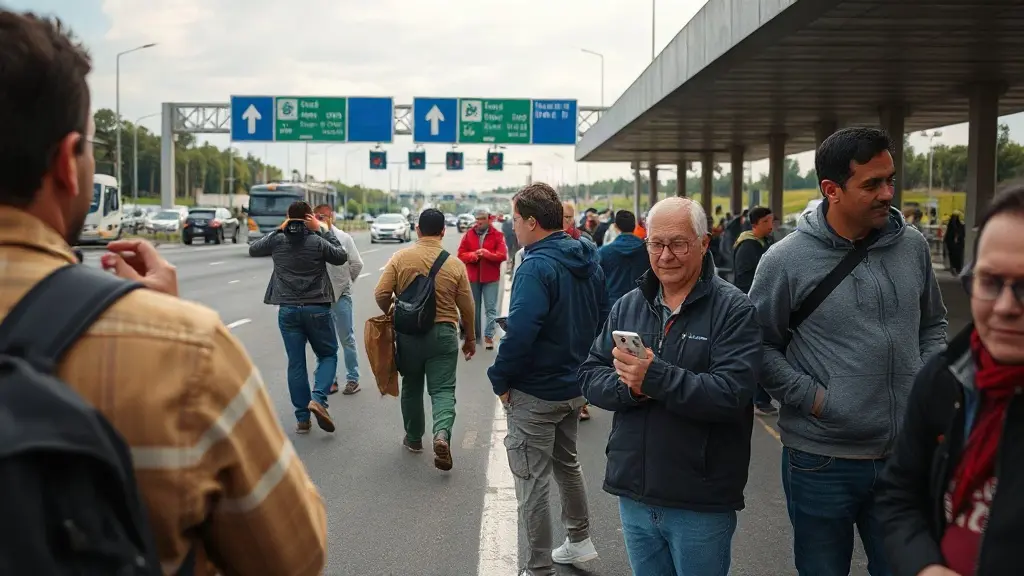
New Pass Scheme — verified documentary press visual.
Operational Integration with Electronic Toll Systems
The National Highways Authority of India (NHAI), alongside technical partners reporting through the National Payments Corporation of India, will integrate the pass concessions directly into the FASTag electronic toll collection architecture. Once the resident’s credentials are confirmed by toll concessionaires, the vehicle’s radio-frequency identification tag will automatically reflect the local waiver rather than triggering full-fare deductions on each passage.
Authorities expect this streamlined digital linkage to diminish congestion at manual toll booths and prevent disputes between toll gate operators and community members living in adjacent villages and peri-urban hubs.