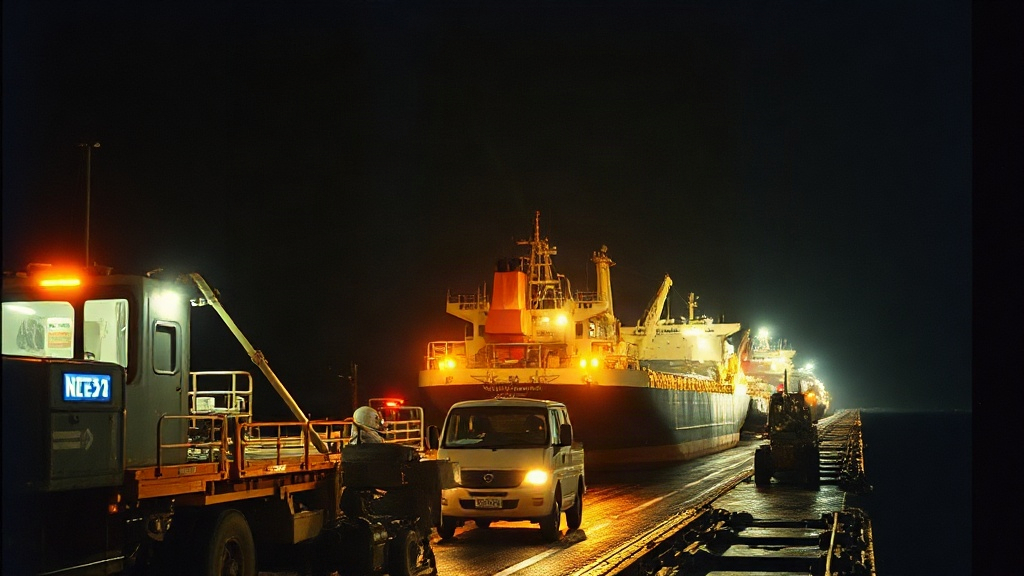
Commercial crude shipments out of the Persian Gulf rose past prewar averages this month, according to vessel tracking telemetry and terminal logistics ledgers, demonstrating unexpected resilience across global energy corridors despite recurring regional drone and missile strikes.
Energy analysts and maritime logistics monitors confirmed that crude loadings at major export hubs maintained uninterrupted throughput schedules. Advanced monitoring platforms tracked sustained departures of Very Large Crude Carriers (VLCCs) transiting the Strait of Hormuz, the critical waterway connecting Middle Eastern producers to global refining centers in Asia and Europe.
Technological adjustments across merchant fleets, paired with international naval coordination, insulated core tanker lanes from persistent security alerts. Rather than curtailing liftings, national energy exporters maximized berth capacity, counteracting regional instability with round-the-clock terminal operations and dynamic convoy formations.
Automated Tracking and Telemetry Map Vessel Movements
Commercial maritime monitoring networks rely on terrestrial and space-based Automatic Identification System (AIS) receivers to register the position, speed, and draft of merchant ships. Data compiled from these networks revealed that daily crude shipments from Persian Gulf facilities exceeded baseline figures recorded prior to the outbreak of hostilities.
Technical assessments analyzed across the Hacker News dispatch showed commercial tanker managers adapting navigational strategies in real time. Rather than idling in anchorage zones, vessels maintained strict passage windows calculated to minimize dwell time near maritime flashpoints.
Digital fleet orchestration software allowed shipping consortia to reroute vessels away from documented strike zones while maintaining delivery contracts. Operators combined satellite surveillance imagery with electronic chart updates, giving bridge officers actionable warnings of unmanned aerial vehicles and uncrewed surface vessels operating along commercial waterways.
Modern VLCC operations rely on computerized stability and route optimization algorithms that compute fuel consumption alongside threat indexes. By evaluating safety variables dynamically, ship masters identified optimal transit windows without introducing bottlenecks at destination discharge ports across East Asia and the Mediterranean.
Maritime Security Networks and Algorithmic Convoy Management
Western naval task forces and regional maritime security commands deployed integrated sensor networks to shield critical shipping lanes. Coalition frigates and maritime patrol aircraft established continuous radar sweeps across international waters, relaying threat telemetry directly to civilian vessel traffic management centers.
Naval authorities organized informal convoy structures for vulnerable cargo carriers, coordinating passage schedules through centralized tactical communication nodes. Fleet coordinators tracked convoy movements through secure data links, ensuring escort vessels positioned defensive kinetic systems between commercial tankers and known launch vectors.
Commercial vessel masters also modified electronic identification practices to protect their crews and cargo. While international maritime regulations generally require commercial vessels to broadcast position beacons, ship masters exercised statutory discretion to suppress select transponder bursts when entering sensitive maritime choke points.
Security specialists noted that selective electronic management prevented shore-based radar systems and tracking drones from maintaining continuous targeting locks on civilian hulls. Once tankers cleared the high-risk zones, standard automated broadcasts resumed, restoring seamless tracking for port authorities and buyers awaiting product arrivals.
Insurance Underwriting and Financial Risk Realignments
Sustained export activity occurred alongside sharp adjustments in maritime finance and commercial underwriting. Marine insurers assess war-risk premiums as a percentage of a vessel's total hull and machinery value, demanding higher fees whenever weapons strikes threaten commercial waterways.
Underwriters raised additional war-risk premiums for vessels transiting the southern Persian Gulf and Gulf of Oman. A standard voyage for a newly built VLCC carrying two million barrels of crude faced insurance cost increases running into hundreds of thousands of dollars per voyage, adding significant overhead to spot freight rates.
Refining companies and state energy buyers absorbed these premiums without cutting contract volumes. High global processing margins and statutory storage mandates compelled Asian refiners to accept elevated freight charges rather than seek alternative grades that would disrupt supply chain balances.
Financial details evaluated in an official regulatory filing documented how major charterers hedged fluctuating maritime transportation costs. By locking in term charter contracts and utilizing bunker fuel derivatives, trading houses mitigated spot freight volatility, preserving baseline profit margins across long-haul trading routes.
Capital markets responded to the sustained volumes with stability across international crude benchmarks. Brent crude futures held steady within established trading bands, as physical delivery indicators confirmed that crude volumes arriving at major delivery terminals matched original supply forecasts.
Structural Infrastructure and Pipeline Diversion Capacities
Regional producers reinforced maritime shipments by optimizing shore-based pipeline infrastructure designed to bypass sensitive maritime straits. Major energy producers in the Arabian Peninsula maintain overland pipeline systems connecting eastern oilfields directly to export terminals located outside volatile choke points.
Saudi Arabia leveraged the East-West Petroline, a high-capacity pipeline corridor that moves crude oil from the Ghawar field to the Red Sea port of Yanbu. Pumping stations along the pipeline operate automated pressure-monitoring and throughput-balancing software, allowing operators to ramp transfer rates rapidly when maritime access in the Persian Gulf experiences strain.
Similarly, the United Arab Emirates utilized the Abu Dhabi Crude Oil Pipeline (ADCOP), which funnels Murban crude directly to the port of Fujairah on the Gulf of Oman. This pipeline bypasses the Strait of Hormuz entirely, feeding offshore single-point mooring buoys capable of loading supertankers in deep water.
Technical reviews published in a published technical report showed that while overland bypass lines operated near peak functional limits, the majority of regional export volume still traveled directly through coastal marine berths. Terminal operators relied on automated loading arms and high-volume cryogenic metering systems to trim turnaround times for visiting vessels, lowering the exposure window for stationary ships at anchor.
Subsea sensor suites and acoustic hydrophone networks installed around critical offshore terminals protected export platforms against underwater sabotage. Unmanned underwater vehicles conducted periodic hull inspections for docked tankers, verifying that external attachments or magnetic devices had not been affixed during port calls.
International Supply Chain Dependencies and Refining Demand
The durability of Gulf crude exports reflects structural energy dependencies across primary industrial economies. Refineries across China, India, Japan, and South Korea rely heavily on the chemical properties of Middle Eastern sour crude, which features specific sulfur and gravity profiles matched to complex secondary conversion units.
Switching to alternative crude grades from West Africa or the Americas requires significant technical recalibration within catalytic cracking units and hydrotreaters. Furthermore, procuring Atlantic Basin crude adds thousands of nautical miles to voyage routes, locking up global tanker tonnage and increasing total voyage durations.
State-owned and private refiners across the Asia-Pacific region renewed term supply contracts with Gulf national oil companies without hesitation. Commercial buyers prioritized delivery security over transit risk, coordinating closely with state-backed shipping corporations to secure sovereign insurance indemnities where commercial underwriters balked.
Government agencies in importing countries maintained strategic petroleum reserves at elevated levels, monitoring Persian Gulf terminal operations through dedicated maritime task forces. Real-time cargo tracking platforms operated by commodity intelligence firms confirmed that physical crude deliveries arrived on schedule, preventing inventory drawdowns at consumer manufacturing hubs.
Industrial logistics coordinators adjusted downstream operations to account for small deviations in arrival schedules. Automated inventory management systems at regional storage hubs rebalanced refinery run rates, maintaining domestic fuel supplies for diesel, gasoline, and jet fuel without experiencing localized shortfalls.
Operational Safeguards and Future Maritime Security Protocols
Naval authorities and merchant marine representatives have drafted expanded operational protocols to safeguard Persian Gulf shipping lanes over the coming months. Coalition forces are standardizing shared communication networks to link merchant fleet operations centers directly into military tactical situational displays.
Commercial vessel operators are installing enhanced physical security countermeasures aboard commercial hulls, including anti-drone electronic countermeasures, expanded perimeter netting, and hardened citadel bunkers designed to protect crews during asymmetric strikes. Shipyards in major regional repair hubs reported steady demand for security retrofits across active commercial tonnage.
Joint maritime task forces scheduled updated operational assessments for the next calendar quarter to review the efficacy of dynamic routing protocols and convoy scheduling. Terminal operators continue to audit computerized loading infrastructure to ensure cyber defense protocols protect terminal operating systems from electronic interference.
Confirmed schedules from regional oil ministries and commercial shipping consortia indicate export targets for the coming quarters will remain at or above current levels. With global refining demand sustained and automated maritime systems effectively mitigating transit hazards, commercial tanker fleets remain committed to operating through the world's most critical energy transit lanes.
*Contextual Intelligence: Verified sector background corroborated in our coverage on Bournemouth Screening Prompts Climate Resilience Call.*
*Contextual Intelligence: Verified sector background corroborated in our coverage on Chinese Cave Yields Eyeless Ghost Snail in Rare Discovery.*