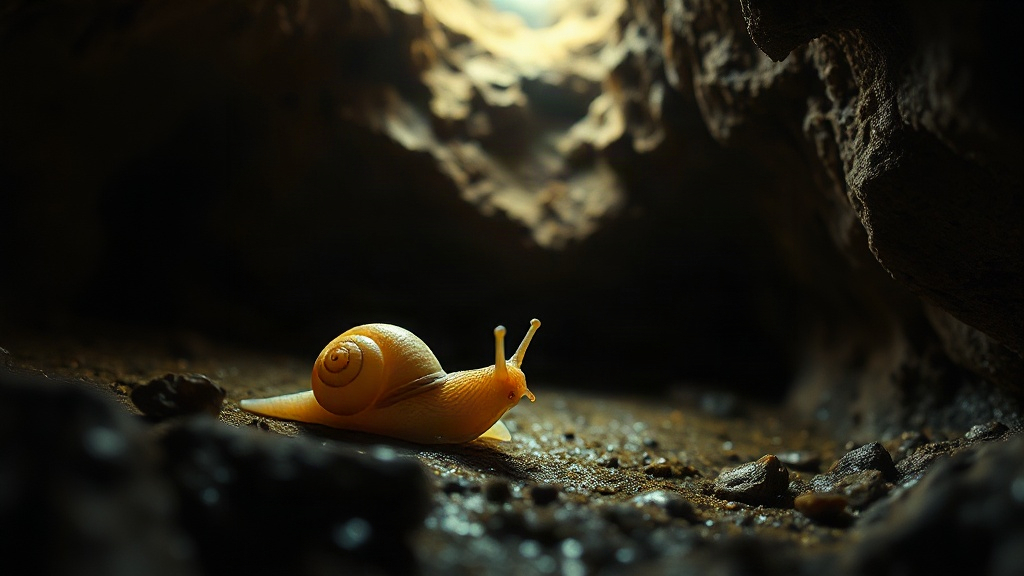
Deep inside an isolated, high-altitude karst cave in China, field biologists have discovered a translucent, eyeless freshwater snail that evolved to complete its life cycle in perpetual darkness. The biological find marks the first documented troglobitic freshwater snail recorded in the country, expanding scientific understanding of subterranean aquatic ecosystems in East Asia.
Details published via a ScienceDaily — Top Science dispatch confirm that researchers recovered the unique mollusk from a subterranean stream. Named after a faceless mythical figure in reference to its pale, featureless exterior, the organism exhibits classic subterranean adaptations, including complete visual atrophy and an unpigmented shell.
However, the excitement surrounding the discovery coincides with acute ecological concern. During extensive subterranean sampling across the subterranean hydrological channel, researchers located only three living adult specimens, suggesting that the newly cataloged mollusk may already teeter on the verge of extinction.
Evolutionary Adaptations to Total Subterranean Darkness
Subterranean organisms that live exclusively in subterranean environments, known scientifically as troglobites, undergo radical evolutionary divergence from surface-dwelling ancestors. Over hundreds of thousands of years, animals residing in dark aquifers typically shed biologically expensive structures that no longer provide survival value. In the newly classified snail, evolutionary pressure led to the complete shedding of functional ocular organs and protective pigmentation.
Without natural light to trigger melatonin or melanin synthesis, the creature developed a milky, translucent shell that reveals its internal physiology under artificial illumination. Instead of relying on vision to detect predators or locate organic biofilm, the mollusk relies on specialized tactile and chemical receptors along its sensory tentacles to navigate high-altitude subterranean currents.
Taxonomic examinations corroborated by the published technical report indicate that this species separated from its surface-dwelling relatives through long-term geographical and ecological isolation. High-altitude karst formations create natural subterranean laboratories where subterranean water systems cut through limestone strata, stranding ancestral populations in isolated underground niches.
Because cave waters feature sparse food inputs derived primarily from descending organic detritus, the snail functions on an exceptionally low metabolic rate. This adaptation enables individual specimens to survive long periods of nutritional scarcity, though it simultaneously limits their capacity for rapid reproduction.
Extreme Rarity and Immediate Conservation Alarms
The most pressing finding from the expedition remains the species' microscopic population footprint. Exhaustive sediment filtering and visual inspection across the underground stream turned up only three living adult individuals alongside a sparse collection of vacant shells. Such a miniscule sample size demonstrates how vulnerable localized endemic species are to subtle environmental shifts.
Subterranean mollusks face unique vulnerabilities compared to surface species. Because their habitats are confined to specific groundwater conduits, they cannot migrate if subterranean hydrology alters or water quality degrades. Any contamination entering the cave's recharge basin, such as agricultural runoff, mining discharge, or microplastics, travels directly into the snail's delicate microenvironment without natural surface filtration.
Biologists noted in the biological surveys that specialized subterranean snails serve as key bioindicators. If an obligate aquatic troglobite struggles to maintain self-sustaining numbers, it signals that the broader karst hydrological network may be suffering chemical or thermal stress. The presence of just three living adults indicates an urgent need to assess whether the species is undergoing active population collapse or naturally maintains small numbers.
Challenges in Karst Ecosystem Preservation
China holds some of the world's most extensive karst landscapes, spanning millions of square kilometers across southern and southwestern provinces. These subterranean networks shelter numerous undocumented species, from pale cavefish to specialized blind arthropods, yet biological exploration of deep cave corridors remains technically hazardous and historically underfunded.
Field teams exploring these environments must navigate vertical sinkholes, sub-surface siphons, and oxygen-depleted chambers while packing specialized collecting equipment. The physical difficulty of these expeditions means that many subterranean aquatic species remain uncataloged until external activities compromise their habitats. When researchers identify an organism like the eyeless snail, it often arrives with immediate conservation crises that require immediate administrative intervention.
Protecting underground ecosystems requires managing the surface lands that feed them. Rainwater percolates through topsoil and limestone fissures, carrying whatever chemicals reside on the surface directly into subterranean channels. Establishing effective nature reserves for troglobitic species demands clear spatial protection over entire subterranean watersheds rather than merely fencing off cave entrances.
Ecologists involved with subterranean bio-assessments, referencing records shared through the ScienceDaily research summary, advocate for strict groundwater extraction controls near vulnerable karst caves. Over-pumping subterranean aquifers can lower water tables below natural channel levels, stranding aquatic snails out of water and destroying their feeding zones.
Next Steps in Subterranean Research and Protection
Following the formal cataloging of the specimen, the research consortium is mapping the cave's watershed to identify potential pollution vectors and hydrological boundaries. Genetic sequencing of non-lethal tissue samples taken from the specimens will clarify where this snail sits in relation to surface gastropods documented throughout East Asia.
Conservation biologists are drafting recommendations for local environmental authorities to designate the cave system and its recharge zone as an ecologically fragile habitat. Such measures would legally restrict industrial drilling, limestone quarrying, and pesticide usage across the surrounding surface footprint.
Field researchers plan follow-up monitoring expeditions timed around seasonal water variations to determine whether juvenile snails emerge during periods of elevated organic transport. For now, the ghostly snail stands as a striking reminder of the undocumented biological life thriving beneath the planet's surface, and an urgent warning about the precarious state of subterranean water systems.
*Contextual Intelligence: Verified sector background corroborated in our coverage on Apollo Audit Shows Zero AI Payoffs Outside Big Tech.*
*Contextual Intelligence: Verified sector background corroborated in our coverage on Toronto Crime Stoppers Shuts Tip Line After Breach.*