The Election Commission of India (ECI) has launched an extensive course-correction initiative to address mounting friction over its controversial Special Intensive Revision (SIR) of electoral rolls, responding directly to internal dissent among its top leadership.
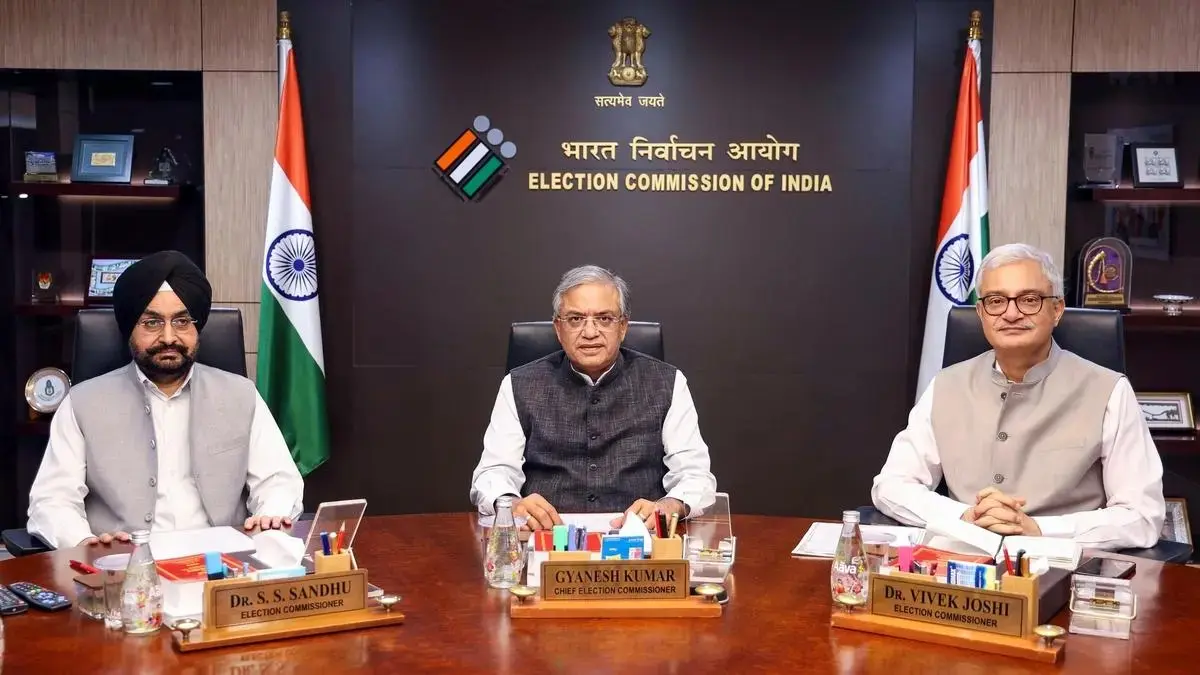
According to an investigative report published by Frontline Magazine, Chief Election Commissioner Gyanesh Kumar convened a full commission meeting at Nirvachan Sadan in New Delhi alongside Election Commissioners Vivek Joshi and Sukhbir Singh Sandhu on September 26, 2026. The meeting resulted in a detailed press release detailing major operational adjustments to the SIR protocol. The panel also issued a formal photograph of the three officials in an apparent effort to demonstrate cohesion amid growing reports of structural disagreements.
Internal Dissent and Public Friction
The policy pivot follows political controversies triggered by reports that both Election Commissioners Joshi and Sandhu had submitted written objections regarding prior decisions governing the revision process. Critics and opposition groups have alleged that previous iterations of the SIR risked disenfranchising voters and lacked adequate procedural transparency.
The administrative measures released following the September 26 meeting signify a notable reversal for the commission. The revision has generated street demonstrations featuring calls for structural overhauls and leadership accountability. Observers note that the changes, which include modifications to declaration attachments required during voter verification, implicitly validate the internal warnings raised by the two commissioners.
| Stage | Initial SIR Framework | Corrective ECI Framework (Post-Sept 26) |
|---|---|---|
| Commission Consensus | Reported internal friction with written commissioner dissents | Unified meeting convened to realign operational policy |
| Policy Directives | Centralized directives drawing external procedural scrutiny | Course-correction measures and declaration updates issued |
| Public Accountability | Met with street demonstrations and procedural criticism | Administrative adjustments aimed at reinforcing list integrity |
Digital Inquiries and Civic Impact
The procedural updates coincide with sustained civic attention regarding India's voter infrastructure. Through platforms such as the official ECI Voter Portal, citizens verify registration statuses and access national voter directories maintained via the voters.eci.gov.in domain. Discrepancies within these digital rolls remain a sensitive issue, as administrative modifications during revision drives directly govern ballot access.
While the commission's latest measures attempt to restore public confidence and reconcile internal administrative divisions, procedural debates continue regarding whether the adjustments sufficiently remedy previously registered voter roll concerns before future electoral phases.
Frequently Asked Questions
What triggered the recent policy review within the Election Commission?
The review was triggered by internal friction within the commission, specifically written reservations raised by Election Commissioners Vivek Joshi and Sukhbir Singh Sandhu regarding operational decisions during the Special Intensive Revision process.
What occurred during the September 26 full commission meeting?
Chief Election Commissioner Gyanesh Kumar and Election Commissioners Vivek Joshi and Sukhbir Singh Sandhu met at Nirvachan Sadan, releasing a formal press note that outlined procedural revisions to the ongoing electoral roll updates.
How does the Special Intensive Revision impact individual voters?
The SIR process updates and purges electoral lists. Voters commonly monitor these updates via the ECI Voter Portal to confirm their active registration status.