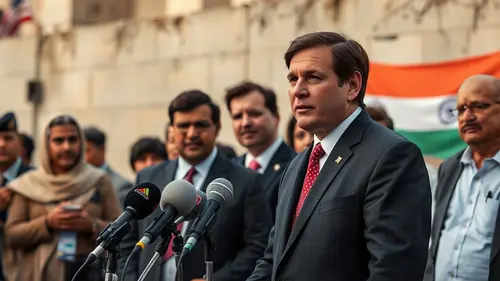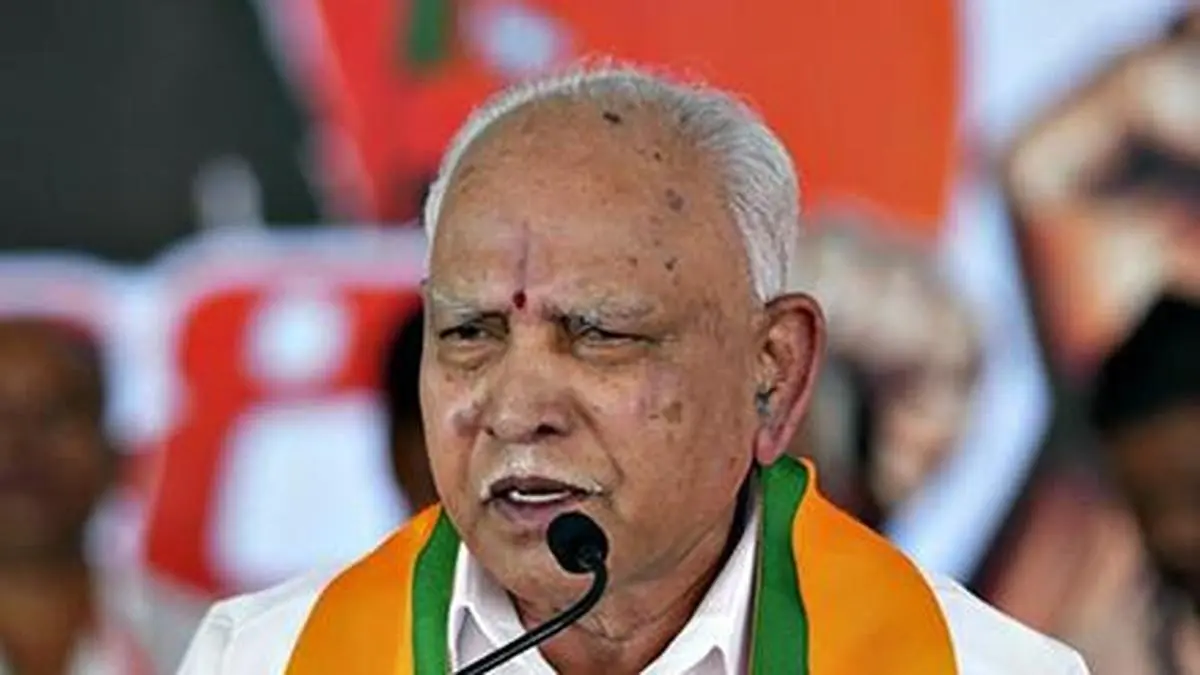
Bengaluru: BJP veteran B.S. Yediyurappa on October 28, 2026, asked Karnataka Chief Minister D.K. Shivakumar to step down and seek a fresh Assembly mandate after the NDA won all four teachers’ and graduates’ constituencies in the Karnataka Legislative Council elections. Yediyurappa made the demand at a press conference in Bengaluru soon after the results were declared, turning a Council poll outcome into a direct challenge to the Congress government’s political legitimacy.
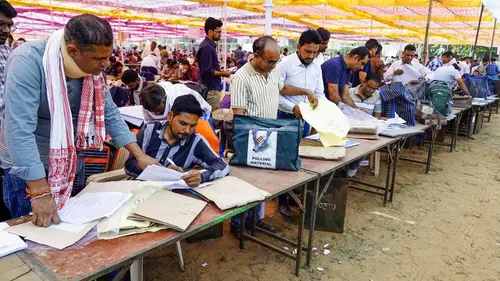
The elections used ballot papers, and the electoral college consisted of teachers and graduates rather than the wider electorate. Yediyurappa nevertheless described the result as a broader warning to the government. The NDA secured a clean sweep across the four constituencies, although the available results cited in the reporting do not specify the winning margins for each seat.

What Yediyurappa said after the results
Yediyurappa said the Congress government had lost the “moral right” to remain in office and invited Shivakumar to a public debate over the voters’ verdict. He argued that the result reflected the views of “conscientious and sensible” voters and said the BJP-Janata Dal (Secular) alliance would win the next Assembly election by a large margin.
“Where did the taxpayers’ money go? You have looted public money by indulging in corruption in the last three-and-a-half years. You do not have moral right to continue in power,” Yediyurappa said, according to the statement attributed to him.
He also criticised remarks by the Chief Minister to sugarcane growers that the government lacked sufficient resources to meet their demands. Yediyurappa characterised that admission as evidence of financial mismanagement. The allegation is a political claim; no supporting audit finding or investigation detail was provided in the available material.
"A Council result can sharpen the political contest, but it does not by itself remove an elected government."
Why the Council result matters
The four seats represent a narrow, specialised electorate, not a statewide vote. Teachers and graduates vote through separate constituency rolls, and the ballot-paper system differs from the electronic voting process used in most Assembly and Lok Sabha elections. That distinction limits the result’s direct statistical comparison with a general election.
It does, however, give the BJP and JD(S) an immediate organising message. The opposition can point to the outcome as evidence of dissatisfaction among educated and professional voters, while the Congress can argue that the constituencies do not represent Karnataka’s full electorate. The result is politically meaningful, but it is not a fresh Assembly mandate.
The Election Commission of India’s election process governs the conduct and declaration of such polls, while the Karnataka Legislative Council records the seats and constituency structure. The result announcement on October 28 provides the formal basis for the parties’ competing interpretations; Yediyurappa’s demand for resignation remains a political appeal, not a constitutional order.
What happens next in Karnataka
Shivakumar is not required to resign because the opposition has won Council seats. A change of Chief Minister would ordinarily require a decision by the ruling party or coalition, followed by the constitutional process involving the Governor. An early Assembly election would also require the government to seek dissolution or lose its majority under the applicable constitutional procedure.
The immediate next steps are therefore political: Congress leaders are likely to defend their Assembly mandate, while the BJP and JD(S) will use the results to build pressure around governance, public finances and voter dissatisfaction. No resignation, Assembly dissolution or fresh statewide election was announced in the verified account of the October 28 events.
For voters, the practical impact is limited in the short term. The Council members elected from these constituencies will join the legislature, but government policy, budgets and the Chief Minister’s tenure remain unchanged unless separate political or constitutional developments occur.