Residents Alarmed as Cauvery River Changes Color
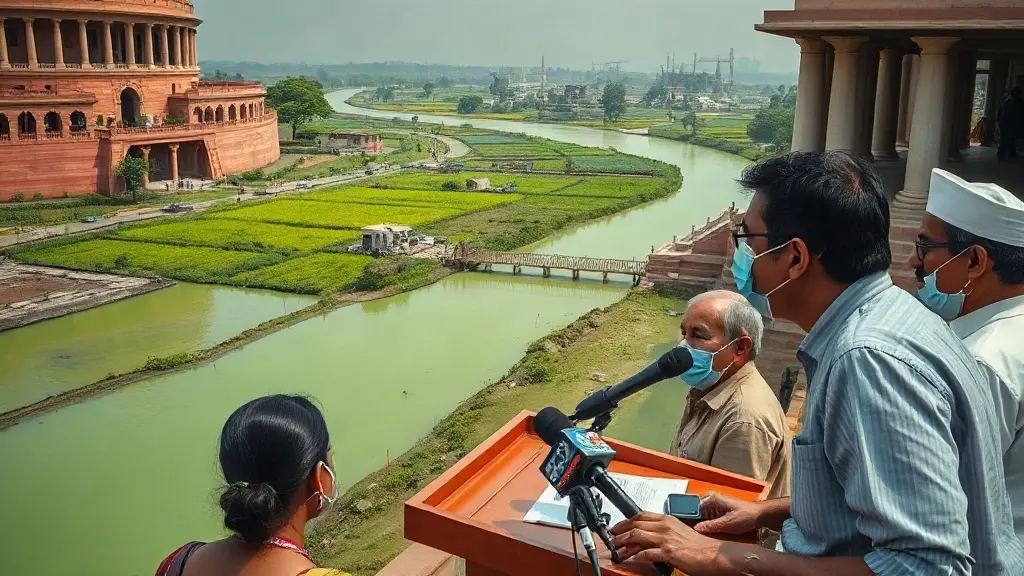
On November 5, 2026, residents of Erode district in Tamil Nadu were shocked to discover that the Cauvery River had turned an alarming shade of green. This disconcerting change was first reported in areas such as Ammapettai, Nerinjipettai, and Kuthiraikalmedu, prompting immediate concern among local farmers and residents. Many suspect that industrial effluents discharged upstream are the cause of this contamination, raising serious questions about water safety and environmental regulations.
The Cauvery River, a vital water source for [agriculture](/topic/agriculture-msp) and daily life, flows through Erode district after being released from the Mettur Dam. It traverses approximately 84 kilometers through various towns, including Bhavani and Kodumudi, before entering Karur district. The sudden discoloration of the water has left many residents unable to use it for bathing, drinking, or irrigation, leading to fears of health risks and agricultural losses.
Health Concerns and Community Reactions
Local residents have reported experiencing skin irritations after coming into contact with the discolored water. "We have been using this water for generations, and now it has turned toxic overnight," lamented a farmer from Nerinjipettai. "We cannot risk our health or the health of our crops."
The situation has escalated to the point where some residents are calling for immediate action from the Tamil Nadu Pollution Control Board (TNPCB). "We urge the TNPCB to inspect the affected areas, collect water samples, and identify the sources of this contamination," said a local activist. The strong stench emanating from the river has further fueled fears that the water is unsafe for any use.
Industrial Effluents Under Scrutiny
The suspicion of industrial pollution has been a long-standing issue in the region. Several industries operate upstream of the Mettur Dam, and residents have previously raised concerns about the discharge of chemical effluents into the river. "We have seen industries dumping waste into the river, and now we are paying the price for their negligence," stated a local resident.
According to preliminary observations, the green color of the water may be attributed to the presence of algae or other contaminants, possibly exacerbated by industrial discharges. The TNPCB has been urged to conduct thorough investigations to determine the exact cause and to hold responsible parties accountable.
Government Response and Future Actions
In response to the alarming reports, the TNPCB has announced that it will initiate an investigation into the matter. Officials have stated that they will collect water samples from the affected areas and analyze them for pollutants. "We take these allegations seriously and will ensure that appropriate measures are taken to safeguard public health and the environment," a TNPCB spokesperson said.
The board's investigation will also focus on the compliance of industries with environmental regulations. If violations are found, the TNPCB has the authority to impose penalties and mandate corrective actions to prevent future occurrences.
The Broader Implications for Erode District
The discoloration of the Cauvery River is not just a local issue; it raises broader questions about environmental management and industrial practices in Tamil Nadu. The river is crucial for agriculture, supporting the livelihoods of thousands of farmers in the region. If the water quality continues to deteriorate, it could lead to significant economic repercussions, including reduced crop yields and increased health care costs for affected residents.
Moreover, the incident highlights the need for stricter enforcement of environmental regulations and greater accountability for industries that may be contributing to pollution. Community leaders are calling for more transparency and engagement from the government to ensure that residents are informed and protected.
Conclusion: A Call for Action
As the investigation unfolds, the residents of Erode district remain vigilant, hoping for swift action from authorities to address their concerns. The green Cauvery River serves as a stark reminder of the delicate balance between industrial development and environmental sustainability. The community's health, agricultural productivity, and overall quality of life depend on the immediate resolution of this alarming situation.
| Metric | Value |
|---|---|
| Date of Incident | November 5, 2026 |
| Affected Areas | Ammapettai, Nerinjipettai, Kuthiraikalmedu |
| Length of Cauvery in Erode | 84 km |
| TNPCB Response | Investigation Initiated |
| Community Complaints | Skin Irritations, Stench |