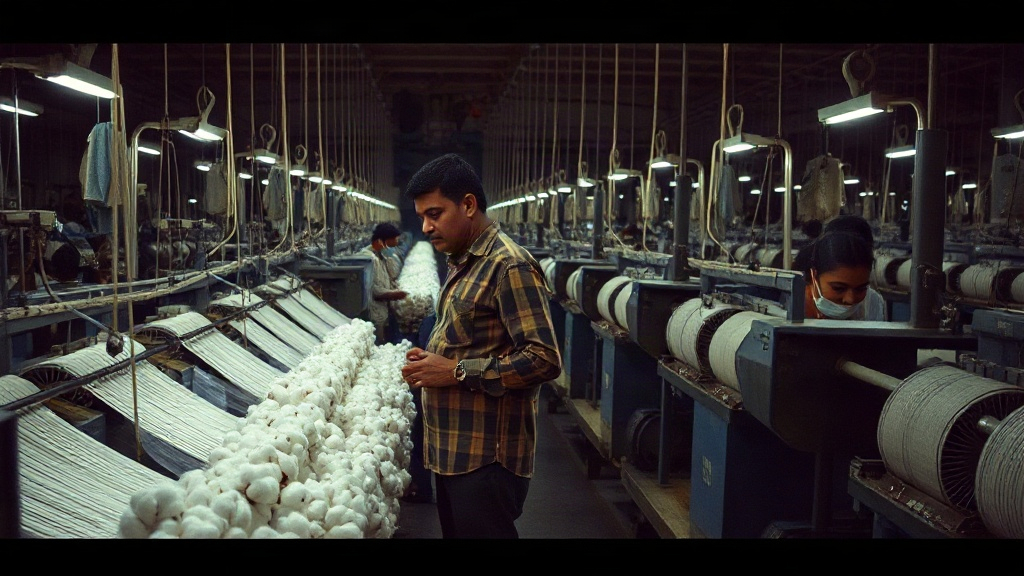
India faces significant structural questions over whether its labor market can transition into a skills-first economy while continuing to operate within a collar-conscious society, according to an analysis by HR Katha.
The inquiry centers on the intersection of professional classifications and modern recruitment priorities. As industrial sectors seek technical proficiencies over traditional credentials, existing societal divides between white-collar positions and vocational roles continue to influence talent acquisition and broader economic mobility.
Workplace Perceptions and Competency Demands
The drive toward prioritizing demonstrated capabilities comes as domestic and international enterprises reevaluate hiring benchmarks. Moving toward a framework that values practical execution requires shifting away from long-established academic qualifications and administrative hierarchies.
However, persistent social perceptions surrounding job categories remain influential across the country. Historical distinctions between office-based work and technical labor complicate efforts to elevate specialized manual and technical proficiencies to equal standing with managerial roles. These enduring cultural attitudes pose practical hurdles for organizations seeking to implement equitable talent pipelines based purely on skill assessments, HR Katha reported.
Structural Shifts in Workforce Development
Addressing these workforce dynamics requires broader coordination among educational institutions, corporate recruiters, and policymaking bodies. Bridging the gap between practical workforce needs and societal perceptions demands institutional backing to normalize non-linear career paths and vocational mastery.
Without an evolution in societal attitudes regarding different categories of work, initiatives aimed at constructing a purely skill-centric labor ecosystem may encounter resistance. The ongoing debate highlights the balance India must strike between transforming employment practices and navigating deep-seated cultural expectations within the modern economy.