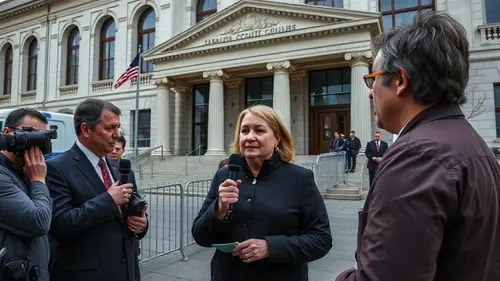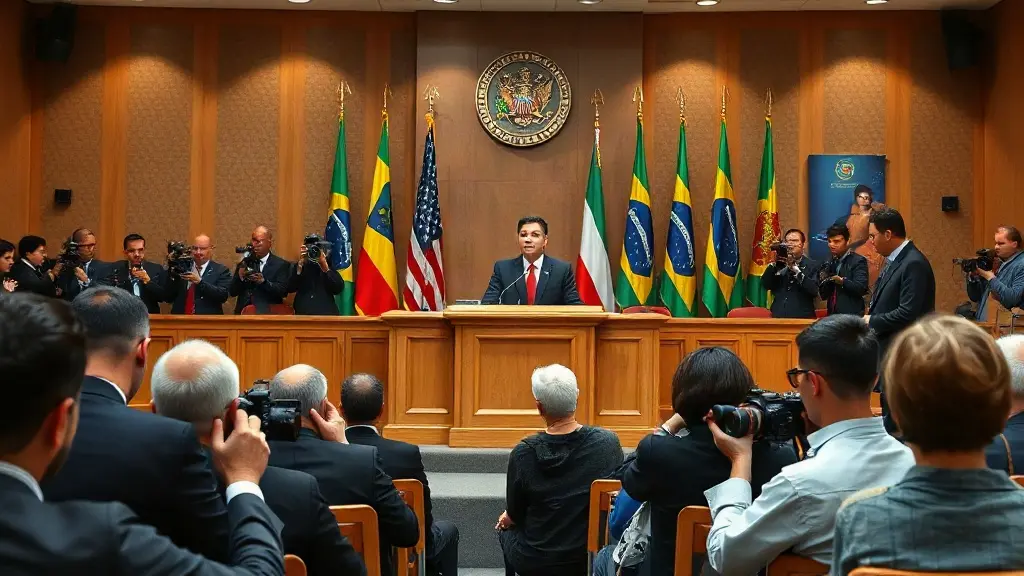
Luiz Inácio Lula da Silva secured an unprecedented fourth term as president of Brazil on Sunday, staging a dramatic runoff comeback to defeat conservative Senator Flávio Bolsonaro. The result overturned a first-round deficit and caught international financial markets off guard, sparking steep losses across Brazilian assets as investors recalibrated their economic expectations and monitored an immediate challenge to the vote.
According to official tally data released by Brazil’s Superior Electoral Court, the 80-year-old leftist leader received 51.8% of valid ballots compared with 48.2% for Flávio Bolsonaro, with nearly all votes counted. The outcome marks the first time since Brazil restored direct democratic elections in 1989 that a presidential contender has won the runoff election after trailing in the initial round. The historic milestone, however, was swiftly overshadowed by political friction and intense volatility across overseas markets.
Equities Sell Off on Fiscal and Policy Concerns
Brazilian equities listed in the United States plummeted in early trading on Monday, wiping out the rally sparked three weeks earlier when Bolsonaro led the first-round ballot. Investors had priced in market-friendly deregulation and spending discipline under Bolsonaro, leaving market participants exposed to renewed anxieties concerning Brazil’s fiscal trajectory under a continued Workers' Party administration.
As reported by CNBC Business coverage of Brazil's runoff election, the benchmark iShares MSCI Brazil ETF (EWZ) tumbled 25% in premarket trading by 7:25 a.m. Eastern Time. Large-cap corporate equities faced severe pressure across financial, industrial, and energy segments. State-run oil major Petrobras plunged 24%, while banking giant Itaú Unibanco sank 26%. Beverage multinational Ambev declined 13%, diversified miner Vale retreated 3.3%, and aerospace manufacturer Embraer traded down 2.6%.
The abrupt downturn reflected shifting sentiment among institutional portfolios holding Brazilian sovereign debt and equities. Financial analysts pointed to concerns regarding future corporate governance at state-backed enterprises, as well as questions about whether public spending commitments will widen fiscal deficits.
| Asset / Company | Premarket Movement | Sector / Category |
|---|---|---|
| iShares MSCI Brazil ETF (EWZ) | -25.0% | Country Benchmark ETF |
| Itaú Unibanco | -26.0% | Banking & Financial Services |
| Petróleo Brasileiro (Petrobras) | -24.0% | Integrated Energy & Oil |
| Ambev | -13.0% | Consumer Goods & Beverages |
| Vale S.A. | -3.3% | Metals & Mining |
| Embraer | -2.6% | Aerospace & Defense |
Election Disputes and Concession Stalemate
Political stability faced immediate headwinds after the count finalized. Flávio Bolsonaro reportedly refused to concede the election, indicating he plans to seek an annulment of the runoff outcome. The conservative senator objected to electoral procedures implemented during voting hours, directing specific criticism at the judiciary.
The final hours of voting were marked by procedural controversies and allegations of voter suppression. Lula’s campaign filed formal complaints citing disrupted or suspended municipal public transit services in key metropolitan districts, arguing the interruptions prevented working-class citizens from reaching polling booths. In response, Supreme Court Justice Cristiano Zanin issued an order extending voting hours by two hours at impacted polling locations.
Bolsonaro’s campaign had also submitted an application to prolong voting operations, citing torrential downpours that forced polling stations to close across southern Brazil, an established conservative voting base. However, as detailed in reports synthesized by CNBC's post-election analysis, Bolsonaro denounced Justice Zanin’s judicial order as "unacceptable" and signaled his intent to lodge formal legal challenges against the tally.
Geopolitical Realignment Across the Americas
Lula’s electoral victory creates significant ripple effects across regional diplomacy, arresting a prospective rightward turn in Latin America. U.S. President Donald Trump had publicly endorsed Bolsonaro’s coalition, describing his first-round advantage as "a very, very big victory."
Diplomatic specialists observed that Washington had favored a leadership change in Brasília to advance commercial and diplomatic alignment throughout the Western Hemisphere. Daniela Portella Sampaio, senior research fellow for Latin American Security at the Royal United Services Institute, noted that the White House favored an administration closely aligned with Washington's hemispheric posture. Lula has maintained a history of diplomatic disputes with conservative leadership in Washington, promoting instead a multipolar foreign policy and South American regional integration.
Fiscal Trajectory and Institutional Next Steps
For investors examining broad valuations, Brazil's macroeconomic health hinges on upcoming cabinet selections and budget negotiations. Market strategists have maintained that while Brazilian equities trade at low price-to-earnings multiples relative to emerging-market peers, domestic risk premiums remain elevated because of high gross public debt and ongoing structural expenditures.
Economic advisers close to the administration have suggested policymakers will adopt a gradual approach, building on the existing fiscal framework rather than instituting sudden revisions. Nonetheless, until the electoral court formally rules on any annulment petitions and the transfer of power protocols begin, market participants are bracing for ongoing currency and equity volatility.
Frequently Asked Questions
What were the certified results of the Brazilian presidential runoff?
Luiz Inácio Lula da Silva won the runoff with 51.8% of valid votes, defeating Senator Flávio Bolsonaro, who garnered 48.2%, according to verified figures from the Superior Electoral Court.
Why did Brazilian equities fall sharply after the election?
Brazilian equities dropped because the first-round rally anticipated a Bolsonaro victory and market-oriented policies. Lula’s unexpected victory renewed market uncertainty regarding public spending, government influence on state-run companies like Petrobras, and sovereign fiscal discipline.
What legal actions has Flávio Bolsonaro announced?
Flávio Bolsonaro indicated he will petition to have the runoff results annulled, calling a Supreme Court order extending voting hours by two hours unacceptable.