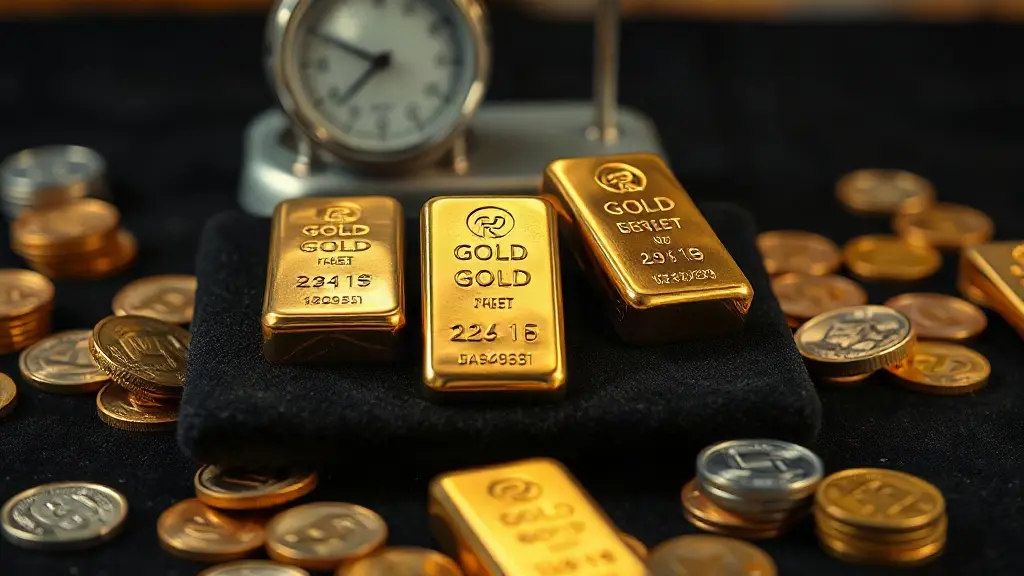
Prospective precious metal buyers tracking physical retail markets and futures exchanges may soon see downward price corrections, according to recent commodity market outlooks. After enduring sustained historic highs that pushed physical jewellery rates out of reach for many household consumers, technical analysts and bullion strategists project potential easing across key retail benchmarks.
According to market reporting analyzed by News18 Telugu, market expectations indicate that gold rates could face downward pressure. While retail gold rates fluctuate across domestic centres depending on purity and local bullion association metrics, an anticipated price softening represents substantial relief for consumers preparing for seasonal wedding purchases and traditional festive accumulation.

Global Macro Factors and Commodity Trajectories
Gold remains heavily influenced by shifting monetary policy expectations from global central banks, sovereign bond yields, and the performance of the US dollar. When international interest rates remain elevated, non-yielding assets such as gold often encounter selling resistance as institutional investors pivot capital into high-yield debt instruments.
Recent commodity evaluations highlighted via News18 Telugu's business analysis emphasize that futures trading on Multi Commodity Exchange (MCX) contracts closely tracks these international cues. Any recalibration of benchmark interest rates directly reduces the speculative premium that drove bullion to record territory during recent trading cycles.
Furthermore, currency movements play an outsized role in physical price formation in importing nations. A stabilizing exchange rate combined with softer global spot prices can quickly translate to visible retail discounts across consumer markets.
| Purity Tier / Benchmark | Typical Retail Application | Primary Pricing Drivers |
|---|---|---|
| 24 Karat (99.9% Pure) | Investment bars, bullion coins | International spot rates (USD/oz), MCX futures |
| 22 Karat (91.6% Pure) | Traditional bridal jewellery | Base metal value, IBJA quotes, local merchant premiums |
| 18 Karat (75.0% Pure) | Contemporary, stone-studded jewellery | Alloy composition, retail fabrication charges |
| Retail Silver (1 kg) | Industrial usage, silverware, coins | Global industrial demand, COMEX inventory levels |
Understanding Domestic Price Variations and Retail Taxes
For consumers planning purchases, understanding the components of final jewellery pricing is critical. In physical retail stores, the board rate published by local jewellers' associations—such as the India Bullion and Jewellers Association (IBJA)—serves as a starting benchmark. However, the final invoice includes basic customs duties, a 3% Goods and Services Tax (GST), and retail making charges that generally vary between 5% and 25% depending on design complexity.
While benchmark 24K and 22K purities are widely tracked, intermediate purities like 20K or lower tiers such as 18K follow strictly adjusted intrinsic metal ratios. Bullion market updates reviewed on Telugu.news18.com outline that price corrections on spot markets can significantly compress total retail outlays, allowing buyers to secure lower per-gram baseline valuations before value-added charges are computed.
Industry participants advise retail buyers to monitor verified domestic spot movements closely. Phased buying, rather than lump-sum accumulation, remains the standard strategic recommendation when commodity markets enter projected correction cycles.
Frequently Asked Questions
Why are gold prices expected to fall according to recent forecasts?
Market forecasts point to shifts in global central bank interest rate policies, firming bond yields, and softening international spot benchmarks that collectively reduce demand for safe-haven precious metals.
How does a drop in futures rates impact jewellery store prices?
Retail jewellers calibrate their daily board rates against spot exchange metrics from benchmark associations like the IBJA. When underlying commodity prices drop, the per-gram base rate for 24K and 22K gold declines accordingly, lowering overall retail acquisition costs.
Does the forecast indicate a permanent downward trend?
Commodity projections reflect cyclical market corrections rather than permanent declines. Long-term bullion trajectories remain influenced by persistent inflation trends, central bank reserves, and broader geopolitical developments.