Bengaluru is initiating a major overhaul of its municipal sanitation system by re-tendering 16 out of 21 solid waste management packages. The decision follows a contractual impasse with private waste handlers and emerging political debate over tender allocation procedures.
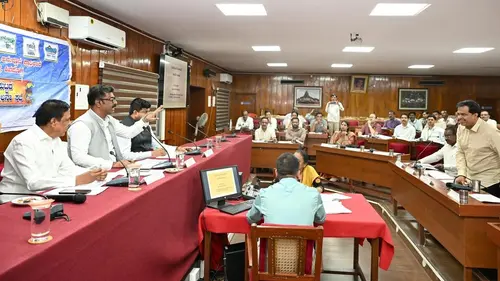
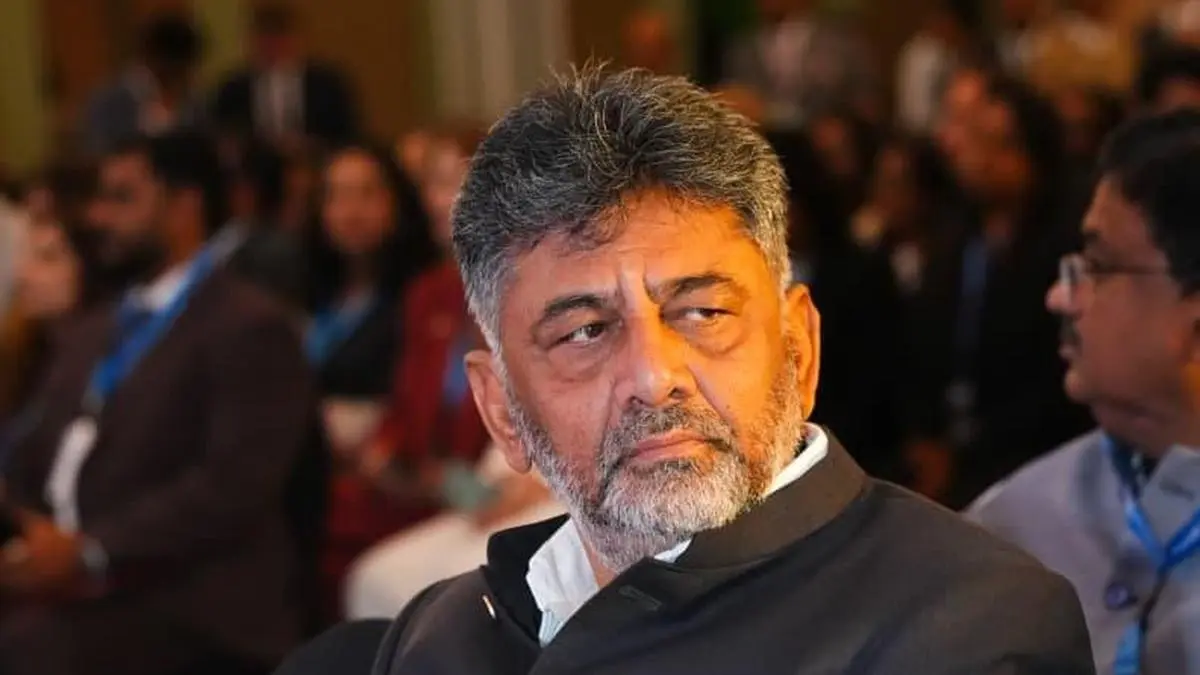
During an all-party meeting convened at his official residence, Chief Minister D.K. Shivakumar appealed to Members of the Legislative Assembly (MLAs) and Members of the Legislative Council (MLCs) from Bengaluru to cooperate in dismantling entrenched cartels in the urban sanitation sector. According to coverage by The Hindu, the city administration is addressing significant disruptions that emerged when the vast majority of selected bidders refused to sign final contracts.
Financial Standoff and Contractor Demands
The contractual gridlock stems from a substantial gap between approved government spending and private sector cost demands. The baseline value of the annual waste management contracts is ₹584 crore across the designated zones. While the State Cabinet sanctioned an escalation rate of up to 14%, participating private contractors demanded a premium close to 30%, adding approximately ₹180 crore to the public ledger.
As explained by Karee Gowda, Chief Executive Officer of Bengaluru Solid Waste Management Limited (BSWML), only five contractors accepted the formal terms under the approved threshold. The remaining bidders declined to collect their formal Letters of Acceptance, precipitating the cancellation and subsequent re-tendering of the 16 remaining packages.
| Contract Parameter | Original Cabinet Approval | Contractor Demands | Difference / Resolution |
|---|---|---|---|
| Premium Allowance | 14% cap above base | Nearly 30% premium | Re-tendering triggered |
| Total Contract Value | ₹584 crore annually | Escalation by ₹180 crore | Tenders rejected by bidders |
| Active Contracts | 21 packages planned | 5 packages accepted | 16 packages set for re-tender |
| Fleet Requirements | Standard collection | 100% new vehicles required | Mandatory GPS compliance |
Political Scrutiny and Irregularity Allegations
The administrative dispute comes amid sharp opposition scrutiny over the transparency of procurement practices. Leader of the Opposition R. Ashok declined to attend Tuesday's civic consultation, publicly alleging procedural irregularities in prior awards. Ashok stated that a separate ₹133-crore municipal tender had been granted to an ineligible private entity despite non-compliance with statutory eligibility guidelines, calling for an official investigation into procurement decisions.
In response to civic bottlenecks, state authorities invoked provisions under the Essential Services Maintenance Act to prevent garbage collection collapses on city streets while administrative frameworks are resolved.
Modernization and Structural Realignment
To manage an urban collection volume that reaches up to 9,000 tonnes of municipal waste daily, the BSWML is repartitioning urban logistics into 33 smaller operational contracts distributed across 27 Assembly constituencies.
Under the modernized tender conditions, participating operators must exclusively deploy newly manufactured collection vehicles equipped with operational GPS tracking systems. The administration stated that decentralized zoning and fleet telemetry are designed to verify transport routes, curb unaccounted landfill dumping, and stabilize daily collection efficiency across peripheral wards.