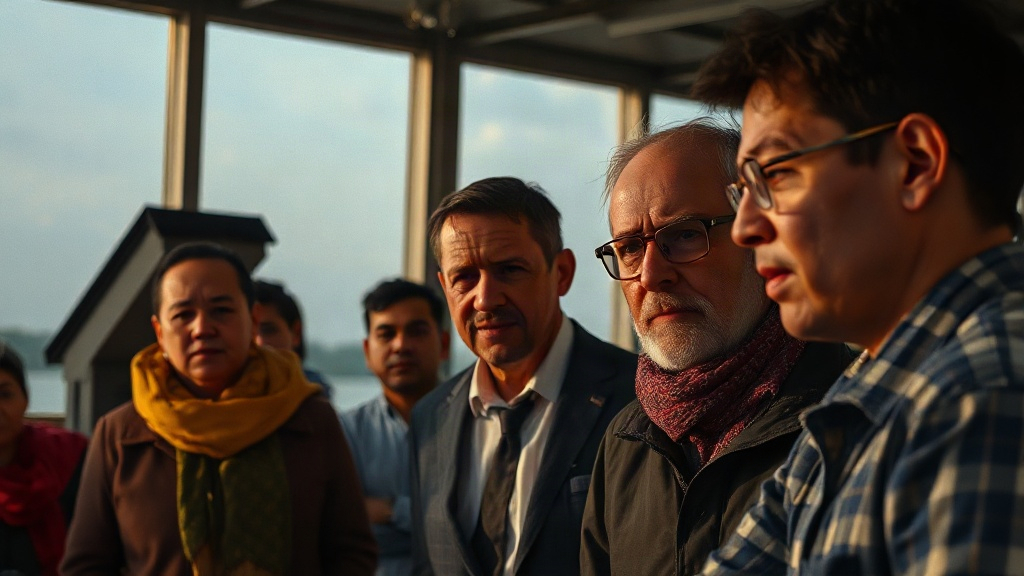
Climate change adaptation has been designated as a central priority for the United Nations Climate Change Conference (COP), as global delegates focus on strategies to manage increasing environmental disruptions, according to reporting by Diari ARA.
International negotiations under the COP framework are placing significant emphasis on strengthening resilience against shifting weather patterns, rising sea levels, and volatile environmental hazards. As climate impacts intensify globally, the agenda reflects an urgent need to support vulnerable regions through structured adaptation frameworks.
Focus on Global Resilience
The prominence of adaptation at the summit underscores a strategic shift alongside ongoing discussions on emissions mitigation. Developing nations and international observers have increasingly pushed for equal attention between cutting greenhouse gases and preparing infrastructure, agriculture, and communities for long-term ecological shifts.
According to Diari ARA, positioning adaptation as a primary objective reflects the immediate necessity of addressing real-time climate risks. Policymakers face pressure to outline measurable targets that allow countries to safeguard populations already experiencing the direct consequences of global warming.
Challenges in Implementation
A critical element tied to adaptation involves establishing reliable financing and resource transfer mechanisms. Previous climate conferences have witnessed continuous negotiations over how funds are allocated, tracked, and delivered to regions with limited economic capacity to endure environmental disruptions.
Delegates engaged in the COP sessions continue to review frameworks aimed at tracking national adaptation plans and evaluating technical support systems. The deliberations highlight the administrative and diplomatic work required to translate priority status into functional international programs capable of shielding at-risk communities worldwide.