The proposed rollout of virtual autopsy at the Government Medical College Hospital (MCH) in Kozhikode will take more time to materialize as preparatory work, equipment acquisition, and specialized facility setup remain underway. While the non-invasive post-mortem technique offers detailed internal evaluations without surgical dissection, administrative and logistical clearances are still pending before the state-run facility can implement the service.
According to institutional officials, a faculty member from the Department of Forensic Medicine at Kozhikode MCH completed a month-long training program at the North-Eastern Hill Indira Gandhi Regional Institute of Health and Medical Sciences (NEIGRIHMS) in Shillong, Meghalaya. NEIGRIHMS stands as an early adopter of virtual post-mortem imaging in India, providing the procedural framework currently being studied for Kerala's tertiary medical network.

Infrastructure Needs and Consultations Underway
The Department of Forensic Medicine at Kozhikode MCH has submitted a comprehensive proposal to the state government detailing the necessary technical infrastructure, equipment requirements, and required staff appointments. The facility cannot operationalize the system using standard clinical diagnostics alone; it requires dedicated high-resolution imaging suites designed specifically for post-mortem investigations.
As documented in reporting by The Hindu, state authorities and department specialists are also holding technical discussions with experts at the All-India Institute of Medical Sciences (AIIMS) in New Delhi to determine equipment benchmarks and procedural workflows. These consultations focus on establishing standardized forensic image processing protocols to ensure findings hold up in judicial proceedings.
Presently, zero government hospitals across Kerala possess an active virtual autopsy system. The groundwork for non-invasive forensic imaging in the state dates back to December 2025, when Dr. A.K. Unmesh, Professor of Forensic Medicine and then-head of department at Government Medical College, Kottayam, submitted a detailed project report (DPR) to establish a pilot virtual autopsy center. The Kozhikode expansion represents an extension of those state-level forensic modernization plans.

Photographic Documentation
Delays — verified documentary press visual.
How Virtual Autopsies Function
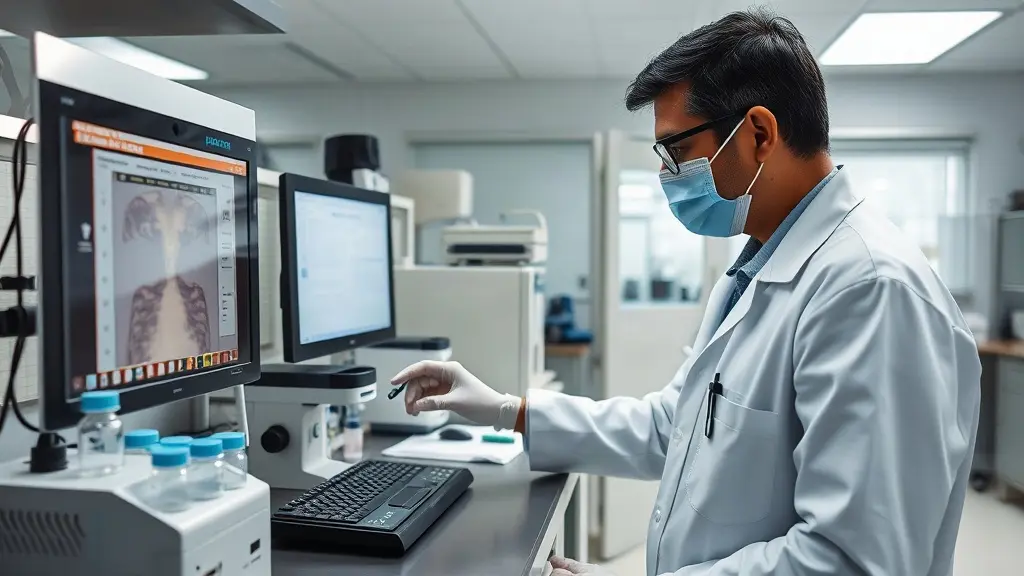
A virtual autopsy, widely termed a "virtopsy," replaces or supplements manual scalpel dissection through advanced medical imaging. Technicians scan the deceased using specialized Computed Tomography (CT) and Magnetic Resonance Imaging (MRI) machines, creating high-definition, three-dimensional digital renderings of soft tissue, organ structures, bone fractures, and internal trajectories.
Despite the diagnostic benefits, forensic specialists emphasize that virtopsies do not completely render traditional autopsies obsolete. In suspicious, violent, or complex unnatural deaths, statutory provisions continue to mandate full medico-legal autopsies. A non-invasive scan can detect air embolisms, micro-fractures, and foreign objects with high accuracy, but chemical toxicological analysis, histological verification, and certain microscopic assessments still require physical tissue samples.
Next Steps for Kerala's Forensic Network
Before Kozhikode MCH can offer non-invasive post-mortems, the Kerala Health Department must sanction capital expenditure for heavy radiological hardware, clear dedicated floor space to prevent contamination with living patient streams, and hire specialized diagnostic technicians. Until the state finalizes funding allocations and installs the recommended scanning hardware, standard invasive medico-legal post-mortems remain the exclusive operating standard across Malabar and the rest of the state.