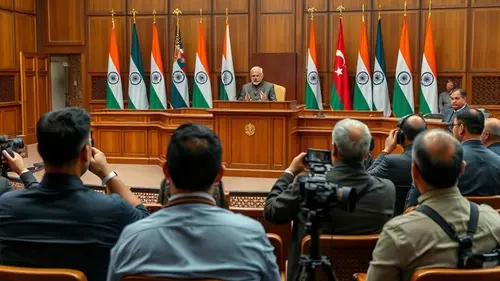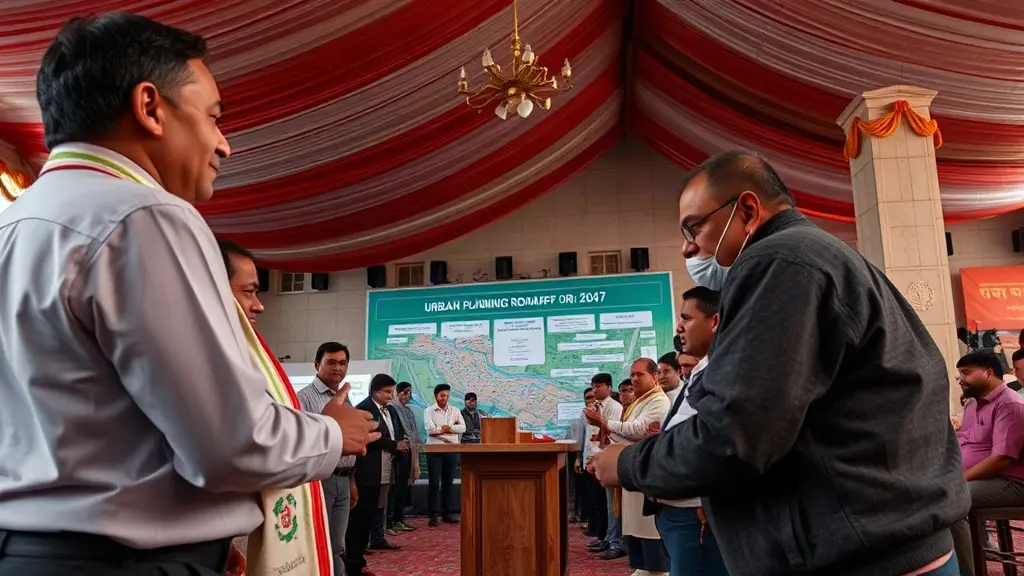
The National Urban Conclave 2026 concluded this week, marking a significant step in the government's efforts to modernize city management. The event brought together urban planners, policy experts, and administrative officials to finalize a series of recommendations aimed at strengthening governance and service delivery in preparation for the Viksit Bharat 2047 vision.

Strengthening Municipal Governance
The primary focus of the conclave centered on decentralizing administrative power to empower local municipal bodies. Officials emphasized that for India to meet its 2047 development targets, urban centers must transition from traditional administrative models to data-driven, citizen-centric frameworks. The recommendations include digitizing land records and streamlining the approval process for infrastructure projects to reduce bureaucratic delays.
Infrastructure and Service Delivery Benchmarks
To ensure consistent growth, the conclave proposed a set of standardized metrics for urban development. These benchmarks are designed to help state governments track progress in water management, waste disposal, and public transportation efficiency. The following table outlines the key focus areas identified for immediate implementation:
| Focus Area | Primary Objective | Expected Outcome |
|---|---|---|
| Governance | Decentralization | Faster decision-making |
| Infrastructure | Smart connectivity | Reduced transit times |
| Service Delivery | Digital integration | Improved public access |
| Sustainability | Waste management | Lower environmental impact |
Aligning with Viksit Bharat 2047
The roadmap established during the conclave serves as a foundational document for the next two decades of urban expansion. By prioritizing sustainable growth and technological integration, the Ministry of Housing and Urban Affairs aims to create cities that are not only economically vibrant but also resilient to climate-related challenges.
Next Steps for Local Authorities
Moving forward, state and local urban bodies are expected to adopt these recommendations into their respective development plans. The central government will provide technical support and monitoring to ensure that these actionable items are translated into tangible improvements for urban residents. Policy analysts suggest that the success of this initiative will depend on the effective coordination between state-level departments and local municipal commissioners.