An Iranian street performer staged an open-air demonstration in Tehran on Tuesday, impersonating former United States President Donald Trump inside a mock jail cell. The exhibition, erected in the middle of northern Tehran’s heavily trafficked Tajrish Square, drew substantial crowds of pedestrians, commuters, and street vendors throughout the afternoon.
Pedestrians gathered around a makeshift metal enclosure that featured an actor wearing an exaggerated orange-blonde wig, a business suit, and signature red necktie, according to video documentation published by an Al Jazeera English dispatch. The performer sat behind iron bars, pantomiming distress and holding mock legal documents while onlookers filmed the scene on mobile phones.
Satirical Staging in Northern Tehran
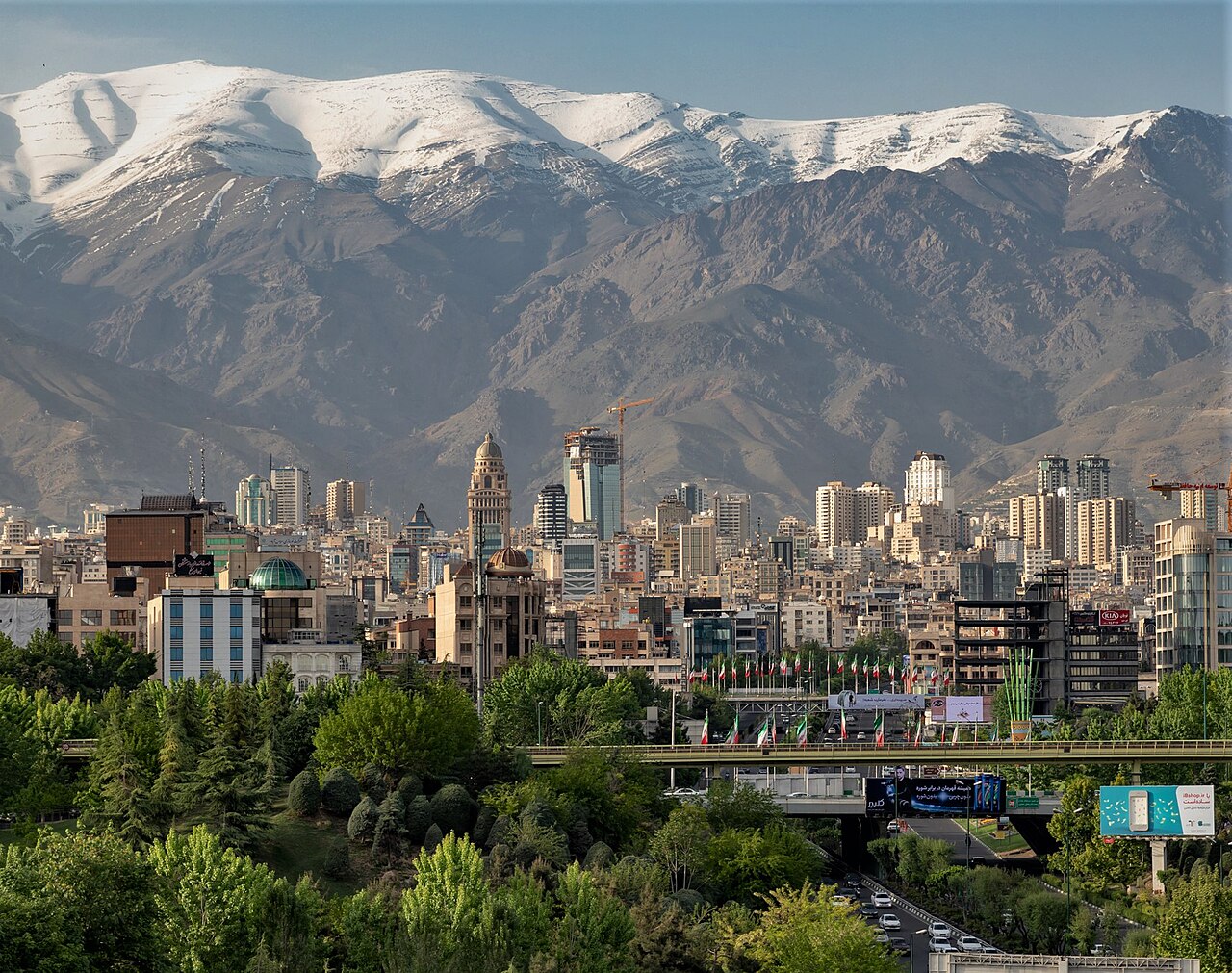
Tajrish Square serves as one of the capital's central commercial hubs, anchoring a major transit terminal and an expansive historic bazaar. Setting up a high-visibility political display in this corridor guarantees direct exposure to thousands of residents across varied socioeconomic backgrounds.
The installation did not obstruct surrounding vehicle lanes, but it quickly formed a dense perimeter of spectators along the pedestrian walkways. Witnesses recorded the performer gesticulating through the bars, while passersby took photographs against the backdrop of Tajrish's prominent commercial facades. Video verified in the network newsfeed report confirmed that local municipal police permitted the performance to continue without immediate dispersal.
Public political art installations and theatrical street performances in Tehran routinely require explicit or implicit sanction from municipal authorities. Unapproved political gatherings in major intersections typically face swift enforcement from local security services, signaling that the display was tolerated by municipal regulators.
Roots of Bilateral Tension
Public sentiment regarding Donald Trump across Iran remains heavily influenced by decisions enacted during his presidency between 2017 and 2021. In May 2018, the Trump administration unilaterally withdrew the United States from the Joint Comprehensive Plan of Action, known widely as the Iran nuclear deal, which had lifted multilateral economic sanctions in exchange for strict curbs on Iran's nuclear energy programs.
Following the withdrawal, Washington re-imposed sweeping secondary sanctions targeting Iran's petrochemical exports, central banking transactions, and international shipping corridors. The resulting economic fallout triggered severe currency depreciation for the Iranian rial and sharply accelerated domestic consumer inflation.
Tensions reached a historic peak in January 2020 when a US drone strike killed Qassem Soleimani, commander of the Islamic Revolutionary Guard Corps' Quds Force, outside Baghdad International Airport. Iranian judicial authorities later issued symbolic warrants for Trump and dozens of American defense officials, filing petitions through the International Criminal Police Organization that were subsequently rejected as outside the agency's political mandate.
Street Visuals and Domestic Reaction
Street-level satire targeting American leadership has a lengthy history in Iran's state-sponsored and municipal public displays. Large-scale anti-American murals, particularly along the perimeter walls of the former US Embassy complex in central Tehran, have long served as visual instruments for state messaging.
Unlike permanent wall paintings or state-organized national rallies, independent street theater creates interactive engagement with daily commuters. According to the original Al Jazeera video footage, reactions among Tajrish pedestrians varied from amusement to quiet observation. Younger residents actively shared video clips onto international social platforms, while older shoppers paused briefly before navigating toward the market entrances.
The display also reflected widespread domestic awareness of the extensive criminal indictments and civil courtroom proceedings Trump has faced in the United States. Observers pointed out that the satirical framing of Trump in prison stripes and mock cells has appeared concurrently in American political cartoons and international protests.
Diplomatic Stalemate Persists
Formal diplomatic communication between the United States and the Islamic Republic of Iran remains severed, functioning entirely through intermediary channels managed by the Embassy of Switzerland in Tehran and regional diplomats in Oman and Qatar.
Direct negotiations aimed at restoring mutual compliance with nuclear monitoring protocols have stalled repeatedly over disagreements regarding sanction relief guarantees and non-proliferation benchmarks. In the absence of high-level bilateral summits, public expressions of grievance—ranging from official judicial declarations to street-level installations—continue to dominate the visual landscape of the relationship.
Neither the Iranian Ministry of Foreign Affairs nor the Tehran City Council released an official statement regarding the Tajrish Square performance. The performer concluded the display as evening transit traffic intensified across the northern district.