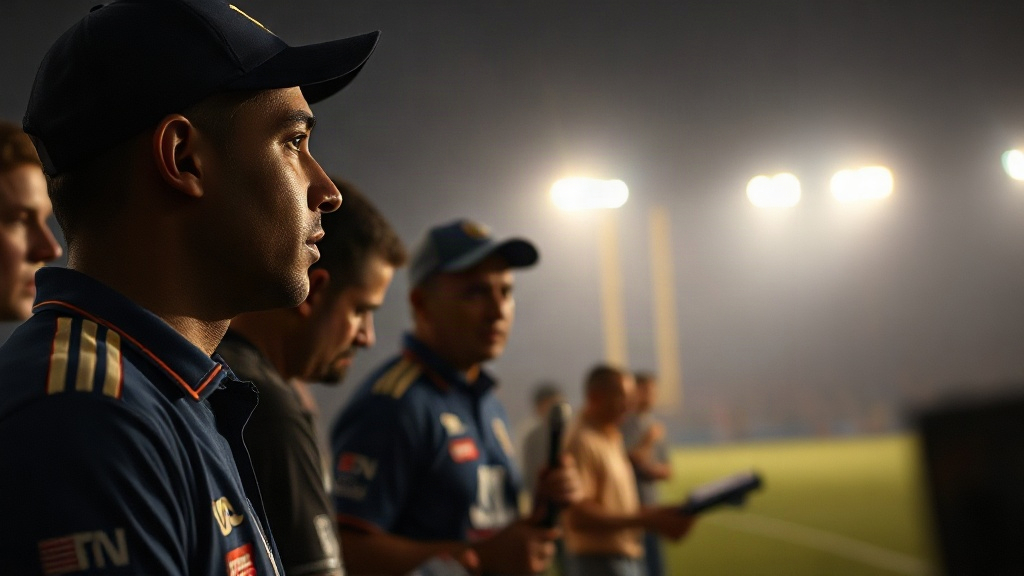
NEW DELHI — Former Indian captain Sunil Gavaskar warned the Indian cricket team that overhead weather conditions and shifting pitch behaviors will directly dictate the outcome of their upcoming multi-format bilateral series against New Zealand.
Speaking ahead of the international tour, Gavaskar noted that New Zealand's maritime climate presents immediate challenges for subcontinent batters accustomed to dry, predictable home surfaces. Early morning starts, lingering cloud cover, and rapid humidity variations often cause the white and red balls to swing late, reducing reaction times for top-order lineups.
According to an analysis confirmed in the Aajtak.in dispatch, atmospheric volatility remains the primary competitive equalizer when visiting sides travel to cities such as Wellington, Auckland, and Christchurch.
Adapting to New Zealand's Microclimates
Cricket grounds across New Zealand feature geographic quirks that amplify pace bowling. Coastal venues experience sudden shifts in crosswinds, creating dynamic movement in the air that tests modern stroke-play.
Gavaskar stressed that technical adjustments must take precedence over aggressive shot selection during the initial powerplay overs. Batters who fail to play late and close to the body risk early dismissals against New Zealand's disciplined seamers, who thrive when air moisture remains elevated throughout the morning session.
Editorial assessments corroborated by regional media assessments noted that visiting players must demonstrate defensive patience until pitches flatten out under afternoon sunlight.
Opposition Strategy and Tactical Matchups
New Zealand captain Mitchell Santner indicated that the Black Caps' match strategy focuses heavily on neutralizing India's high-strike-rate batters early in their innings. Speaking in a tactical briefing cited in a cross-border sports interview, Santner singled out India's top order as the primary target for New Zealand's opening pace tandem.
By leveraging localized ground dimensions and breezy boundaries, the hosts intend to constrain off-side boundaries while deploying tight lines around the off-stump corridor. Santner noted that restricting early scoring opportunities forces visiting batters to attempt risky aerial shots into outfield winds.
India's coaching staff has prioritized situational training sessions to counteract these defensive traps, focusing on strike rotation and minimizing dot balls against the new ball.
Historical Precedents and Series Implications
Historical tours of New Zealand consistently show that series results correlate directly with weather-affected sessions. India's previous campaigns in the country revealed persistent vulnerabilities when conditions turned overcast, enabling New Zealand's medium-pace bowlers to dismantle batting orders that otherwise dominated on flat subcontinent wickets.
Both teams enter this contest with substantial ranking points and world tournament seedings at stake. Winning away from home under hostile climatic conditions remains one of international cricket's most demanding benchmarks, reinforcing Gavaskar's point that tactical adaptability outweighs sheer talent.
Official confirmation of the match-day squads, pitch inspections, and formal toss protocols are scheduled at the respective venues 30 minutes before play begins.