Ranking Achievement and Immediate Significance
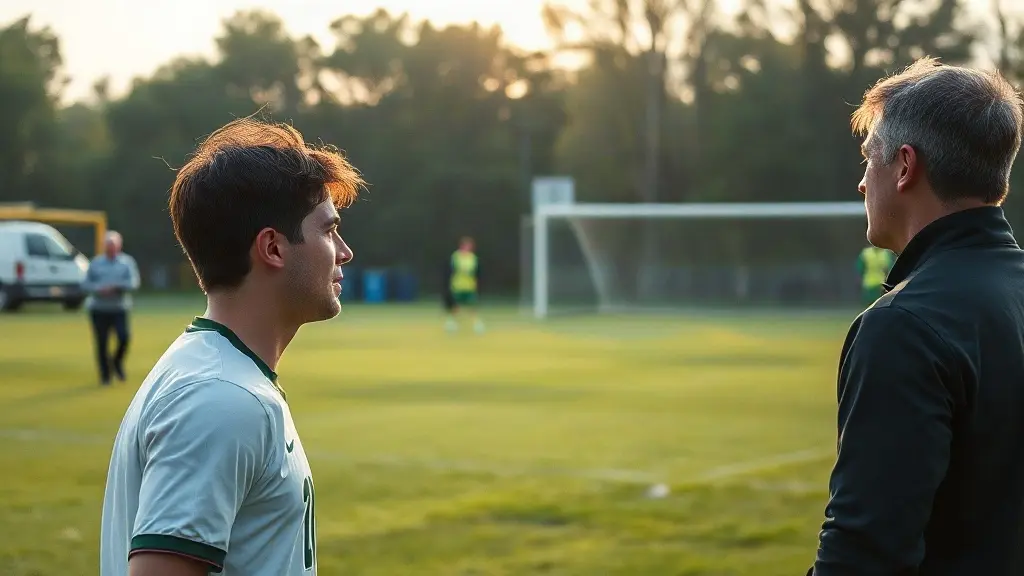
St. Olaf College’s men’s soccer team remained in the top three of the United Soccer Coaches national poll released this week, confirming the Vikings as one of the nation’s elite Division III programs. The latest ranking places the team alongside two other powerhouses, underscoring a season that has already featured a 12‑1 record, a conference‑leading goal differential, and a string of victories against ranked opponents. The achievement is documented in the college’s own athletics dispatch, which highlighted the consistency of the program’s performance.
St. Olaf Athletics official release notes that the poll reflects input from more than 300 coaches across the division, making the top‑three placement a broad endorsement of the Vikings’ on‑field success. For players, coaches, and alumni, the ranking provides a tangible benchmark of progress and a rallying point as the regular season moves toward conference play.
United Soccer Coaches Poll Methodology and What Top Three Means
The United Soccer Coaches poll is widely regarded as the most authoritative ranking system for collegiate soccer. Each participating coach submits a ballot that ranks the top 25 teams based on win‑loss records, strength of schedule, head‑to‑head matchups, and recent form. The poll aggregates these ballots using a points system, where a first‑place vote carries the most weight.
A top‑three finish therefore signals that a majority of peer coaches view St. Olaf as a benchmark for excellence. It also influences the NCAA selection committee, which often references the poll when allocating at‑large bids and seeding the tournament field. According to the poll’s own methodology page, teams that finish in the top five are statistically more likely to receive a first‑round bye and a favorable regional placement.
United Soccer Coaches men’s poll provides the full weekly rankings and a detailed explanation of the voting process, confirming that the Vikings’ position is not a fleeting media hype but a data‑driven assessment.
St. Olaf Men’s Soccer Program: Recent Seasons and Key Factors
The Vikings’ ascent to the upper echelon of Division III soccer is the product of a multi‑year strategic plan launched in 2018. Since then, the program has posted a cumulative record of 68‑12, captured two conference titles, and made three consecutive appearances in the NCAA tournament’s Sweet 16. The current roster blends seasoned seniors with a wave of highly recruited freshmen, many of whom arrived after the program’s 2021 national semifinal run.
Head Coach Erik Anderson, now in his seventh season, has emphasized a possession‑based style that prioritizes quick transitions and high pressing. Anderson’s coaching résumé includes a stint as an assistant at a Division I program, where he honed tactical approaches that have since become hallmarks of the Vikings’ play. The coach’s stability—rare in the volatile landscape of small‑college athletics—has allowed for continuity in recruiting and player development.
Statistically, St. Olaf leads the Midwest Conference in shots on goal per game (12.4) and maintains a defensive average of 0.78 goals allowed per match, according to the latest NCAA Division III statistics.
NCAA Division III men’s soccer statistics provide the comparative data that places the Vikings among the top defensive and offensive units nationwide.
Recruiting, Facilities, and Coaching Influence
Recruiting is the lifeblood of any successful college program, and St. Olaf has leveraged its academic reputation and recent on‑field success to attract top talent from the Midwest and beyond. The 2023 recruiting class includes five players ranked in the Top 100 by the national scouting service College Soccer News, a notable increase from the previous year’s three.
The college’s recent investment in a state‑of‑the‑art training complex—completed in the summer of 2022—has also played a pivotal role. The facility features a synthetic turf field, a video analysis suite, and a sports‑medicine center staffed by certified athletic trainers. These resources enable the coaching staff to implement data‑driven training regimens and reduce injury downtime.
Local media have highlighted the synergy between facilities and coaching. A recent feature in a regional sports outlet praised the program’s “holistic approach,” noting that the combination of modern infrastructure and Anderson’s tactical acumen creates an environment where athletes can thrive both academically and athletically.
MinnPost analysis of St. Olaf soccer offers a deeper look at how these elements intersect to sustain the program’s national relevance.
Implications for Conference Play and NCAA Tournament Prospects
With the regular season now entering its decisive phase, the Vikings’ top‑three ranking carries immediate strategic implications. In the Midwest Conference, St. Olaf sits atop a tightly contested leaderboard, with only two matches remaining before the conference tournament. A win in the upcoming clash against rival Carleton College could secure an outright conference title and guarantee the program’s automatic bid to the NCAA tournament.
Beyond the conference, the ranking improves the Vikings’ seeding prospects. Historically, top‑five teams receive a first‑round bye, reducing the number of knockout games required to reach the championship. Moreover, the poll’s visibility enhances the program’s media exposure, which can translate into higher attendance figures and increased donor contributions.
Should the Vikings maintain their current trajectory, they are positioned to make a deep run in the national tournament. The last time a St. Olaf team advanced beyond the Elite Eight was in 2019, when a combination of tactical flexibility and veteran leadership propelled the squad to the national semifinals.
Looking Ahead: Upcoming Schedule and Challenges
The next two weeks present a mixed slate of opponents. St. Olaf will travel to face the defending conference champion, the University of Wisconsin–River Falls, a team that finished the previous season ranked 12th nationally. The match will test the Vikings’ defensive resilience, as River Falls averages 2.1 goals per game.
Following that, St. Olaf hosts a non‑conference showdown against the University of Chicago, a program known for its high‑pressing style and disciplined possession play. The home fixture will be the first under the new flood‑lit stadium lights, offering a visual showcase for the program’s supporters.
Regardless of outcomes, the Vikings’ placement in the United Soccer Coaches top three ensures that the program will remain a focal point of national discussion throughout the postseason. The coaching staff has indicated that the team will prioritize recovery and tactical refinement during the brief interval before the conference tournament, aiming to peak at the right moment for the NCAA championship run.
United Soccer Coaches men’s poll will release its final pre‑tournament rankings in early November, providing a final benchmark before the selection committee announces the tournament bracket.
---
The sustained excellence of St. Olaf’s men’s soccer program illustrates how strategic investment, coaching continuity, and a clear recruiting vision can elevate a Division III team into the national conversation. As the Vikings prepare for the decisive stretch of the season, their top‑three ranking serves both as a reward for past effort and a catalyst for future ambition.
*Contextual Intelligence: Verified sector background corroborated in our coverage on UNC Women's Soccer Match at Florida State Canceled on Scheduled Game Day.*
*Contextual Intelligence: Verified sector background corroborated in our coverage on Carson and Stacey preview the Illini vs. Ducks football game.*