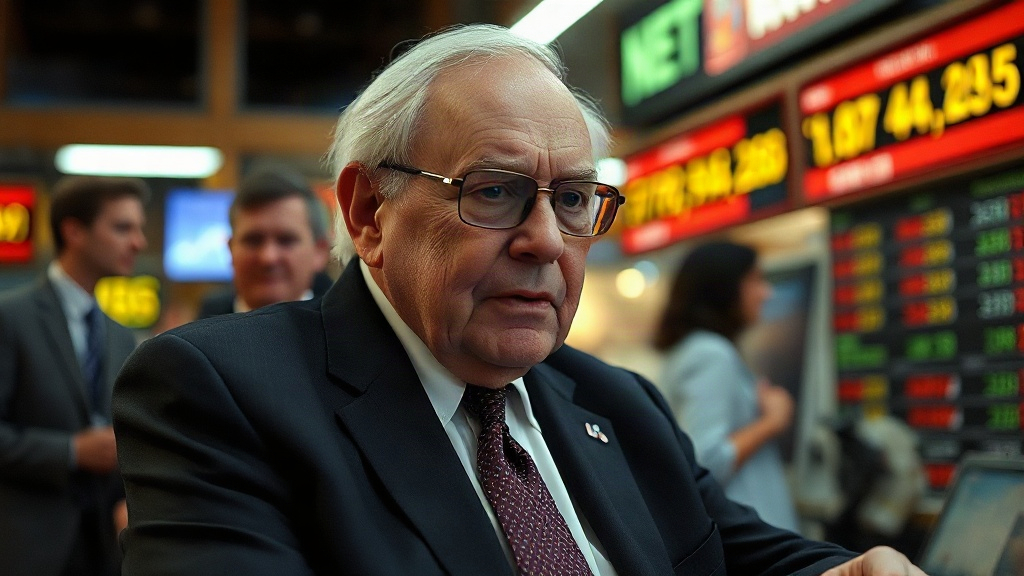
South Korea’s domestic equity market is trading at levels well below its fair valuation, President Lee stated, according to reporting by bloomingbit.
The assessment addresses long-standing investor concerns regarding the persistent gap between the market valuations of South Korean corporations and their global counterparts.
Equity Valuations and the Korea Discount
Financial analysts have frequently highlighted the structural factors dampening price-to-book ratios in Seoul, often describing the phenomenon as the Korea discount. Factors typically cited by international and domestic fund managers include complex corporate governance frameworks, modest shareholder return policies through dividends, and lingering geopolitical considerations on the peninsula.
Lee's remarks underline an awareness at the highest administrative level that market pricing has not kept pace with the economic output and technological capabilities of the country's primary industrial and technology exporters. According to the dispatch from bloomingbit, leadership views the domestic market as deeply undervalued, signaling sustained institutional focus on underlying equity price structures.
Market Reforms and Capital Growth
Efforts to improve the standing of South Korean bourses have gained momentum across regulatory and executive bodies seeking to attract broader foreign institutional capital. Policymakers have increasingly looked toward institutional reforms intended to encourage stronger corporate transparency and enhanced capital returns to retail and overseas investors.
While the reporting from bloomingbit did not detail specific legislative initiatives accompanying the statement, administrative evaluations of equity markets frequently precede policy initiatives by regulatory authorities, such as the Financial Services Commission. Market observers monitor these high-level assessments closely to gauge the state's intent to implement structural improvements across capital trading venues.