The Supreme Court of India on Monday issued formal notices to the Union Government and the Election Commission of India on a petition arguing that Members of Legislative Assembly cannot abandon their seats, resign to defect to rival political parties, and subsequently force costly by-elections funded by taxpayers.
A Bench headed by Chief Justice of India Surya Kant considered the appeal, which challenges a September 24 verdict delivered by the Madras High Court. That earlier decision had dismissed an initial petition challenging the strategic resignations of several All India Anna Dravida Munnetra Kazhagam (AIADMK) legislators who switched allegiance to the ruling Tamilaga Vettri Kazhagam (TVK).

Constitutional Trust and Electoral Accountability
The appeal was brought before the top court by advocate K. Suthan, represented by counsel Merlyn Rachel J. The petitioner contended that an elected lawmaker's mandate is held strictly in trust for the voters who conferred it during general elections, rather than serving as personal political currency.
According to the proceedings reported by The Hindu, the petitioner argued before the bench that legislative seats represent the public's primary instrument of democratic governance. The petition noted that an elected seat belongs fundamentally to the electorate rather than the individual candidate, pointing out that citizens vote to secure five years of representative governance. By stepping down shortly after an election solely to defect, the plea argues, legislators fracture the constitutional bedrock of representative democracy.
The core legal issue presented to the court centres on whether public representatives possess an unfettered constitutional entitlement to sever that relationship at will. The petitioner underscored the severe financial implications of these political maneuvers, asking whether the public should legitimately be expected to bear the administrative and operational expenses of avoidable replacement ballots. The plea characterised these secondary contests as a "luxury election" forced on citizens who had already cast their franchise for a full assembly term.

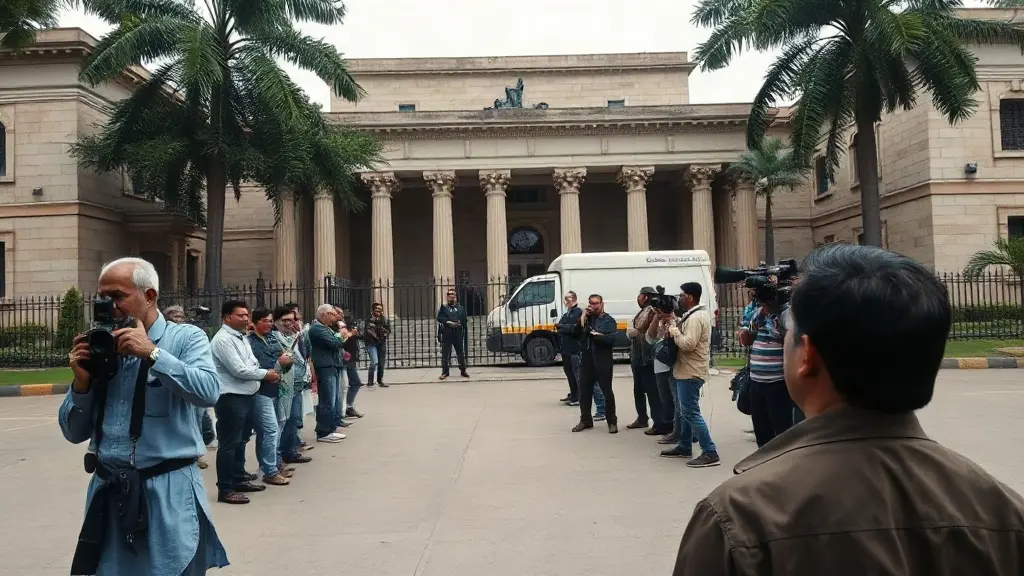
Issues Notice — verified documentary press visual.
Parties Named and Legal Representation
Alongside the Union government and the Election Commission of India, the Supreme Court issued notice to the Tamil Nadu Chief Electoral Officer, the Secretary of the Tamil Nadu Legislative Assembly, and six former AIADMK MLAs who vacated their positions.
The six named individual respondents include:
Advocate Ram Sankar appeared on caveat on behalf of the legislators to ensure their arguments are heard before any substantive interim orders are considered. The former MLAs maintain that voluntary resignation constitutes a valid legislative right under assembly rules and statutory framework.
- S. Jayakumar
- Maragatham Kumaravel
- P. Sathyabama
- E. Subbaiya
- M.R. Vijayabaskar
- C. Vijayabaskar
| Procedural Milestone | Authority / Body Involved | Core Ruling or Submission |
|---|---|---|
| High Court Challenge | Madras High Court | Dismissed petition challenging resignations on Sept 24 |
| Special Leave Appeal | Supreme Court of India | Issued formal notice to Centre, ECI, and six former MLAs |
| Constitutional Challenge | Petitioner (Adv. K. Suthan) | Resignations to switch parties leave "people to be billed for the breach" |
| Caveat Filed | Respondent Legislators | Entered appearance through counsel to contest the petition |
Scrutiny Over Anti-Defection Loopholes
The development highlights enduring debates surrounding the Tenth Schedule of the Constitution of India. While the anti-defection law penalises members who defect from their party without resigning, it does not bar a sitting legislator from resigning outright to circumvent disqualification proceedings and immediately seeking re-election under a different party banner.
During previous electoral cycles, mass resignations have repeatedly precipitated mid-term political shifts across various states, prompting critics to label the practice an intentional circumvention of anti-defection statutes. By asking the apex court to assess whether taxpayers should be left with the financial consequences when candidates resign without compelling cause, the current challenge directly targets the intersection of public finance and representative ethics.
As recorded in national judicial reporting, the petitioner stressed that leaving the electorate to absorb the financial burden when seats are vacated for partisan realignment runs contrary to democratic accountability. The Supreme Court's willingness to examine the matter moves the inquiry from state-level litigation into constitutional review.
Next Procedural Steps
With formal notices issued, the Union of India and the Election Commission of India must file their counter-affidavits setting out their legal positions on the limits of legislative resignations and the constitutional machinery governing by-elections. The Tamil Nadu Assembly Secretariat and the six former MLAs will likewise file their responses explaining the validity of their resignations under Article 190 of the Constitution.
Once pleadings are completed, the matter will return before the Chief Justice's bench for substantive arguments. The outcome could establish new jurisprudence governing candidate obligations, anti-defection avoidance, and the stewardship of public funds in mid-term electoral exercises.