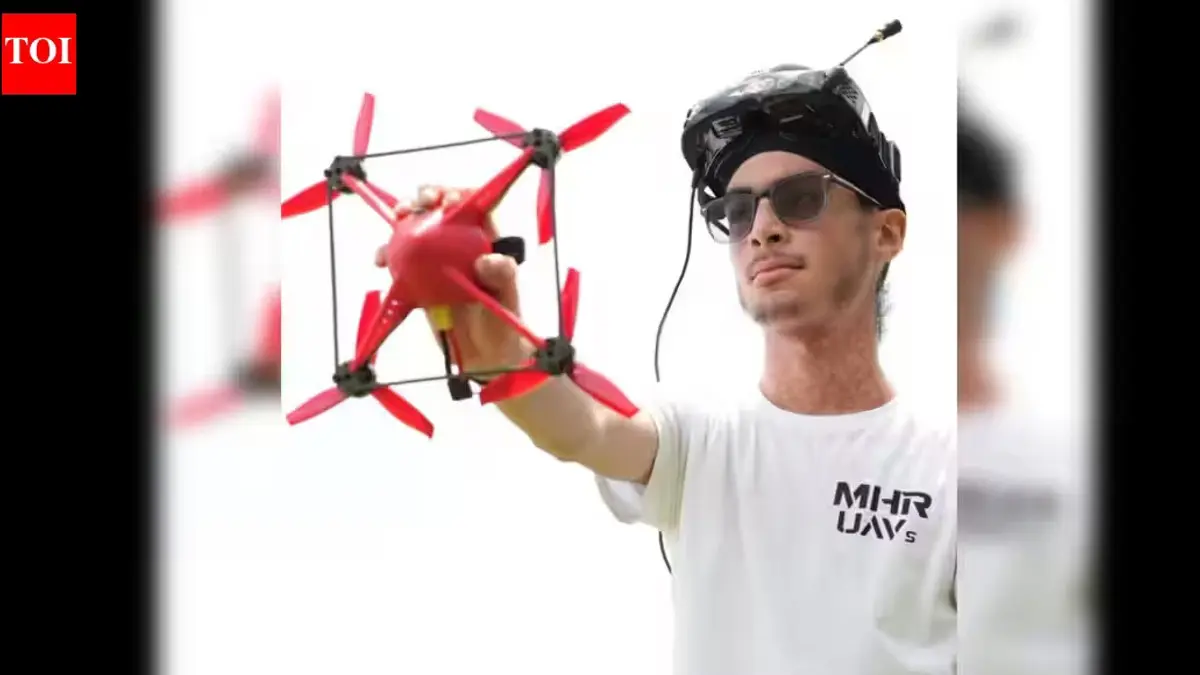
Mehar Singh, a teenage drone innovator, has secured a Guinness World Records title after completing a rapid ascent with a drone. The achievement places a young builder at the centre of interest in flight technology, but it does not by itself indicate a change in drone prices, consumer rules or investor returns.
The record was attributed to Guinness World Records, the organisation that evaluates and certifies record attempts. The published account identifies Singh and the drone ascent as the central facts, while specific details such as the attempt’s date, location, aircraft specifications and measured speed were not stated.
What the record establishes
The achievement shows that a teenager has reached a recognised benchmark in drone engineering and piloting. The verified development is the Guinness World Records title for a rapid drone ascent, rather than a commercial product launch, fundraising event or regulatory approval.
A record attempt can involve detailed rules covering equipment, measurement methods, witnessing and documentation. Those procedures matter because speed and altitude claims can vary sharply depending on the drone’s configuration, launch conditions and timing system.
"A youth record matters most when it opens a path from individual achievement to wider access, mentorship and safer experimentation."
Why mentorship and access matter
Drone projects require more than flying skill. Young inventors typically need guidance in electronics, software, battery management, aerodynamics and safety, as well as supervised places to test their designs.
The achievement also reflects the importance of giving teenagers room to pursue technically demanding projects. Schools, laboratories, clubs and mentors can help convert a single competition or record attempt into sustained learning without encouraging unsafe flights or unregulated testing.
What it means for investors and consumers
There is no verified evidence that Singh’s record has moved shares, changed drone-company valuations or altered retail prices. Consumers should not interpret the record as proof that faster drones are now commercially available or legally permitted for general use.
The immediate impact is reputational and educational: the accomplishment may increase interest in youth engineering, drone clubs and technical mentorship. Any commercial effect would require separate evidence, such as a product announcement, investment disclosure, sales data or a change in aviation rules.
For the public, the practical lesson is narrower than the headline appeal: a recognised record can inspire participation, but safe training, responsible supervision and compliance with local aviation requirements remain essential. Further details on the drone, testing conditions and record measurement would be needed to assess the engineering significance more precisely.
| Key Metric / Entity | Verified Detail | Strategic Impact |
|---|---|---|
| Innovator | Mehar Singh, a teenager | Brings attention to youth-led drone engineering |
| Record body | Guinness World Records | Provides formal recognition of the achievement |
| Technical feat | Rapid drone ascent | Demonstrates a performance milestone, not a market launch |
| Market effect | No verified investor or consumer movement stated | No confirmed change in prices, valuations or regulations |