England batter Harry Brook's landmark innings of 202 has sparked widespread examination into one of cricket's most bittersweet achievements: recording an explosive double century in a losing One-Day International effort.
According to analysis published by ESPNcricinfo, instances of individual batters crossing the mythical 200-run threshold in a losing cause remain extraordinarily rare in international cricket history. While modern white-ball conditions and boundary sizes have inflated overall run aggregates, single-handedly carrying an innings beyond two hundred runs without securing a team triumph represents an anomalous statistical event.
Historically, the vast majority of ODI double centuries—pioneered in the men's game by Sachin Tendulkar in 2010 and later matched by batters including Rohit Sharma, Martin Guptill, and Chris Gayle—have translated directly into comprehensive victories. However, batting-friendly conditions and high-tempo run chases have occasionally produced fixtures where massive individual efforts fall short due to bowling lapses or severe top-order collapses at the opposite end.

Comparing Historic Standout Knocks in Lost Matches
To contextualize where towering individual knocks stand when results go the other way, cricket statisticians closely monitor historic individual contributions versus final team deficits:
| Batter | Innings Total | Match Context | Primary Outcome |
|---|---|---|---|
| Harry Brook | 202 | Modern High-Scoring ODI Fixture | Defeat despite crossing the 200-run mark |
| Charles Coventry | 194* | Zimbabwe vs. Bangladesh (2009) | Defeat after Bangladesh successfully chased 313 |
| Matthew Hayden | 181* | Australia vs. New Zealand (2007) | Defeat as New Zealand chased down 337 |
| Sachin Tendulkar | 175 | India vs. Australia (2009) | Defeat by 3 runs chasing 351 |

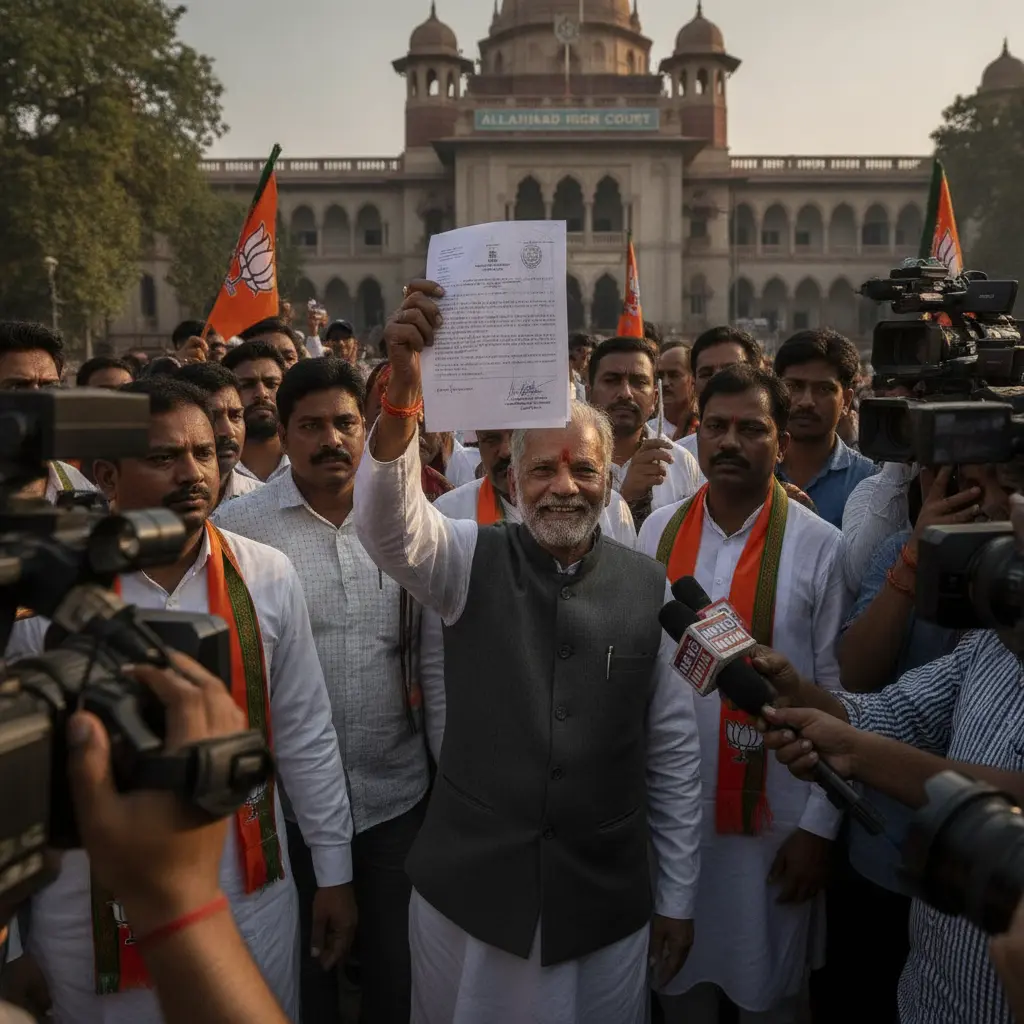
Day Cricket — verified documentary press visual.
Tactical Implications for Modern White-Ball Cricket
Statisticians emphasize that in modern 50-over cricket, a solo double century does not guarantee victory if middle-order support deteriorates. When one batter accounts for 60% or more of an entire team's runs, opposing sides frequently exploit the lack of secondary partnerships to outpace the net run rate during their own innings.
As tracked by ESPNcricinfo's statistical archives, such record-breaking knocks underscore the evolving dynamics of limited-overs cricket, where extreme boundary-hitting ability can generate historic personal milestones even when tactical balance eludes the team overall.