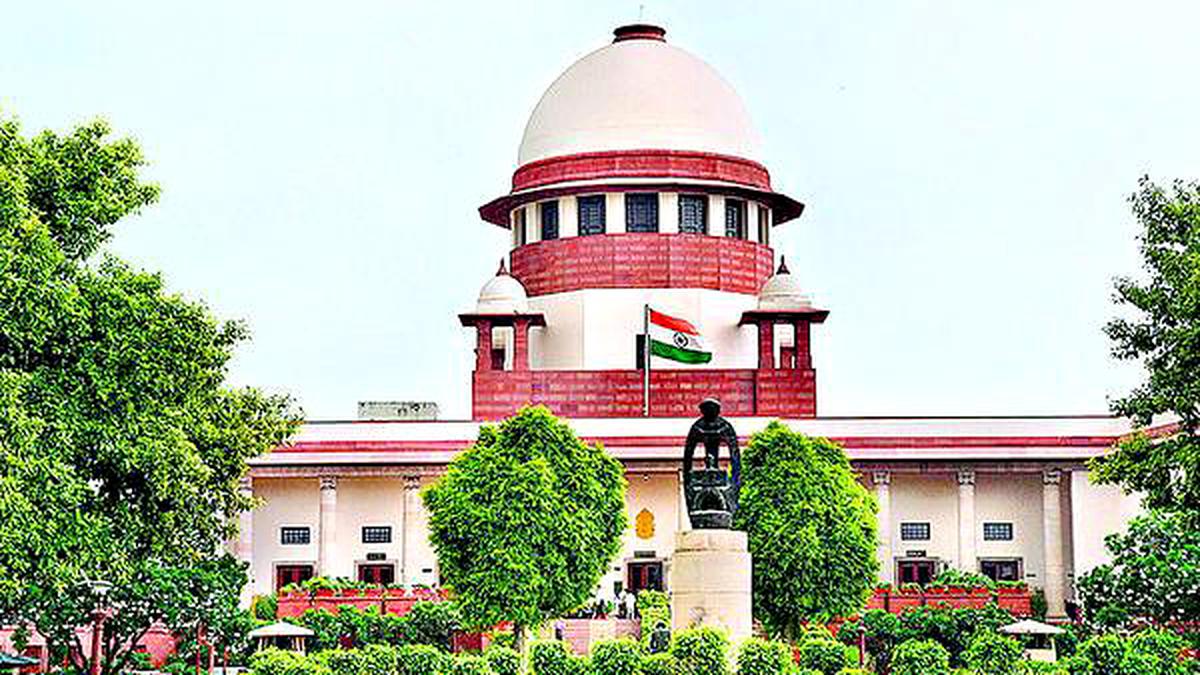
NEW DELHI — Prior approval is not required to investigate allegations of bribe demands made by police personnel under anti-graft law, the Supreme Court of India has ruled in a key legal finding, according to reporting by The Hindu — National.
The determination establishes that law enforcement officials facing accusations of seeking illegal gratification do not receive procedural shielding that mandates sanction before an investigation can proceed. The ruling eliminates an administrative barrier often raised in corruption cases involving public police officers.
Ruling on Anti-Graft Investigations
A Supreme Court bench comprised of Justice S.V.N. Bhatti and Justice N.V. Anjaria delivered the judgment on October 16. The bench concluded that investigating agencies do not have to obtain prior approval before probing police personnel in matters where a demand for a bribe is alleged.
Under regular provisions of public service anti-corruption procedures, certain government personnel and public servants have historically claimed statutory protections that require previous government approval before formal inquiry or prosecution. The two-judge bench's observation addresses this jurisdictional issue specifically for police officers accused of demanding bribes.
Clarification of Legal Protections
The judgment clarifies the scope of legal immunity and procedural prerequisites under Indian anti-corruption legislation. By removing the necessity for prior authorization to begin investigations into bribery demands, the ruling facilitates direct scrutiny into alleged corrupt acts committed by police officers.
The findings delivered by the bench reinforce anti-corruption enforcement, clarifying that procedural approvals should not prevent investigative agencies from registering and initiating probes when allegations of illegal financial demands by police personnel come to light.


