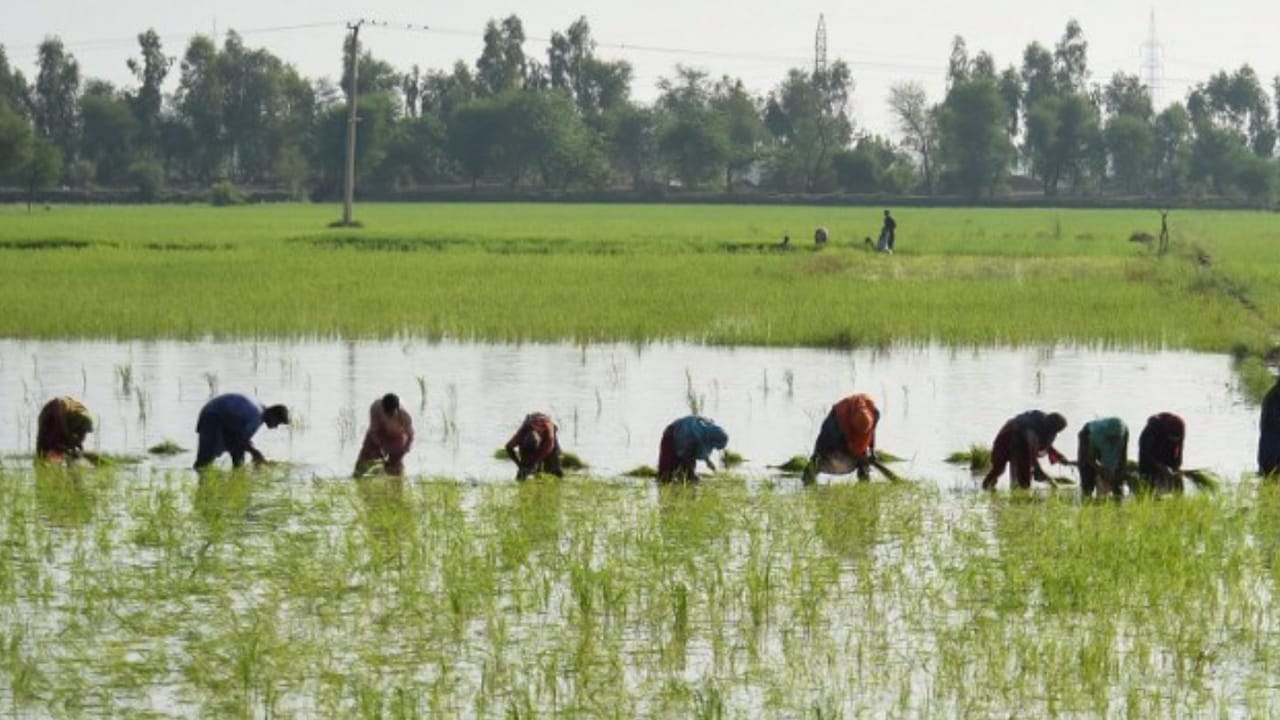
India's massive $300 billion agricultural economy faces emerging disruption as the effects of the El Nino weather phenomenon loom over the critical monsoon season, according to reporting by NDTV — Top Stories.
The annual monsoon delivers the vital rainfall needed to sustain crops across the country, serving as the financial and logistical backbone of rural livelihoods. Any disturbance to the timing or volume of the seasonal rains threatens broad economic repercussions, from planting schedules to overall national crop yields.
Monsoon Factors and Climate Interaction
While concerns continue to mount over the prospective consequences of climate variability, the precise dynamics shaping this year's seasonal patterns remain complex. According to NDTV — Top Stories, the interaction between the numerous factors affecting the monsoon is not fully understood by researchers.
El Nino was first officially declared just a few weeks ago, leading meteorologists and sector analysts to closely examine its immediate impact on regional precipitation. Despite widespread anxiety about potential weather anomalies, it is considered unlikely that El Nino is the primary driver behind the late arrival of this year's monsoon rains.
Pressures on the Farm Economy
Nevertheless, the vulnerability of the country's $300 billion agricultural sector underscores the high stakes tied to shifting climate patterns. Farmers, policymakers, and agricultural markets rely heavily on stable seasonal timelines to avoid widespread disruptions in harvesting and domestic food supplies.
As the season unfolds, forecasters continue tracking regional climate variables to determine how much the emerging El Nino will affect long-term precipitation distribution across key agricultural belts.