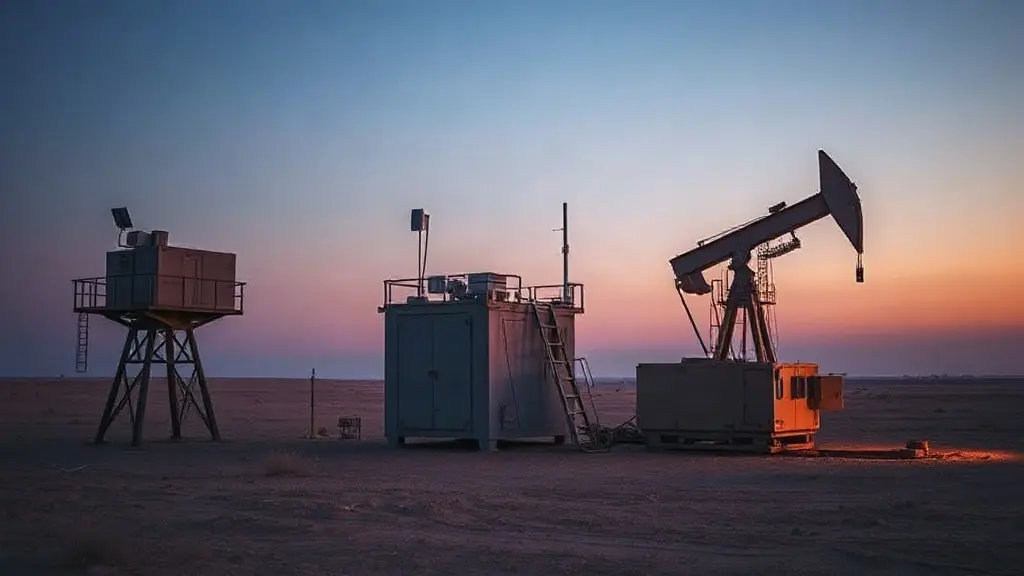
Oil prices declined on Tuesday as renewed multinational diplomatic talks aimed at defusing the wider Middle East conflict eased immediate fears of critical supply interruptions. International benchmark Brent crude futures for December delivery slipped 0.87% to $114.80 a barrel, while U.S. West Texas Intermediate (WTI) futures dropped 0.86% to trade at $100.88 per barrel.
The market pullback followed high-level meetings in Tehran on Monday between officials from Saudi Arabia, Turkey, Pakistan, and Iran. According to reporting from CNBC, the four nations convened to de-escalate regional hostilities that have seen Tehran-aligned Houthi forces launch attacks toward Saudi Arabia. Riyadh noted that the discussions focused on keeping communication channels functional to prevent further military escalation across the Persian Gulf.
Multilateral Engagement in Tehran
Iranian state media confirmed that representatives from Saudi Arabia, Turkey, Pakistan, and Iran agreed to maintain active engagement to support regional security and stability. Adding momentum to the diplomatic track, mediators from Qatar also traveled to Tehran on Sunday to support negotiations, as reported by Reuters.
The regional dialogue coincides with critical decision points in Washington. In an interview broadcast Sunday on Fox News, U.S. President Donald Trump indicated that he is approaching a decision on whether to reach a negotiated agreement with Iran or intensify direct military actions, cautioning that additional strikes remain on the table.
Crude Benchmark Price Comparison
| Benchmark | Contract Delivery Month | Settlement Price | Daily Change (%) |
|---|---|---|---|
| Brent Crude | December | $114.80 per barrel | -0.87% |
| West Texas Intermediate (WTI) | June | $100.88 per barrel | -0.86% |
Market Outlook and Fragile Resolution
Energy analysts noted that while the emergence of direct diplomatic channels tempered the risk premium built into global crude markets, overall price declines remained limited. Market participants remain cautious because the broader geopolitical framework remains fragile. Over the weekend preceding the talks, Iran-backed Houthi militants conducted continued strikes targeting Saudi territory, underscoring ongoing operational risks to infrastructure throughout the region.
For consumers and financial markets, the slight decline in crude benchmarks offers temporary relief against runaway fuel costs, though energy traders continue to price in elevated volatility until formal agreements or durable ceasefires are established.
Frequently Asked Questions
Why did crude oil prices drop on Tuesday?
Oil prices declined because multilateral talks involving Saudi Arabia, Iran, Turkey, Pakistan, and Qatari mediators raised prospects of diplomatic de-escalation, easing immediate market worries regarding Middle Eastern energy supply interruptions.
What are the current prices for Brent and WTI crude?
Brent crude futures for December delivery fell 0.87% to $114.80 per barrel, while U.S. West Texas Intermediate crude futures declined 0.86% to $100.88 per barrel.
What role did the United States play in recent market movements?
President Donald Trump stated in an interview with Fox News that he is nearing a choice between finalizing a deal with Iran or escalating military operations, keeping energy markets focused on both diplomatic paths and potential military risks.
Why did oil prices not drop further?
Price drops were constrained by ongoing security threats on the ground, notably continued weekend attacks by Iran-backed Houthi militants against targets in Saudi Arabia, which show that supply risks remain active.