Manoj Bajpayee’s Candid Response to Digital Harassment
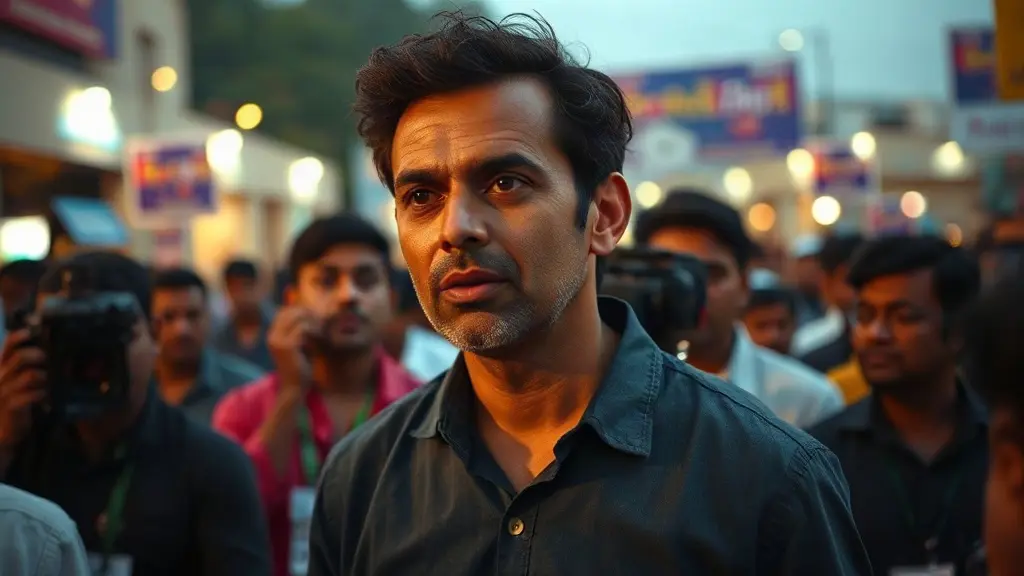
Manoj Bajpayee, one of India’s most respected actors, has broken his silence on the intense online harassment directed at his family, stating, “Who could I confront?” in response to trolls targeting them over the 'Ghooskhor Pandat' controversy. The acclaimed performer, known for his nuanced roles in both mainstream and independent cinema, addressed the issue in a recent interview, highlighting the unique challenges of dealing with anonymous digital aggressors. According to the latest Times of India dispatch, Bajpayee expressed frustration at the inability to physically engage with those who spread malicious content about his loved ones. This statement marks a significant moment in the ongoing discourse around celebrity privacy and the boundaries of public criticism in the digital age.
The controversy centers on the 'Ghooskhor Pandat' project, which has become a focal point for online debate. While artistic disagreements are common in the entertainment industry, the escalation to personal attacks on Bajpayee’s family members has drawn widespread condemnation. The actor’s response underscores the emotional toll of cyberbullying, a phenomenon that has increasingly affected public figures in India. By asking “Who could I confront?”, Bajpayee highlights the powerlessness felt by victims of online harassment, who are often unable to identify or reach the individuals behind the screens. This incident serves as a stark reminder of the need for stronger digital safety measures and ethical online behavior.
The Timeline of the 'Ghooskhor Pandat' Controversy
The 'Ghooskhor Pandat' row began with initial discussions about the project, which quickly evolved into a broader online debate. As social media platforms amplified the conversation, the tone shifted from artistic critique to personal attacks. The timeline of events reveals a rapid escalation, with trolls targeting not just Bajpayee but also his family members. This pattern of harassment is consistent with other high-profile cases in the Indian entertainment industry, where public figures face coordinated online campaigns against them. The official report notes that the harassment included derogatory comments and shared personal information, violating the privacy of those involved. Bajpayee’s decision to address the issue publicly reflects a growing trend among celebrities to speak out against cyberbullying, aiming to raise awareness and discourage similar behavior.
The background of the 'Ghooskhor Pandat' project adds context to the controversy. As a creative endeavor, it attracted attention from various stakeholders, including fans, critics, and industry insiders. However, the online discourse took a turn for the worse, with anonymous users launching attacks that went beyond legitimate criticism. This shift highlights the blurred lines between public discourse and personal harassment in the digital space. Bajpayee’s response, while focused on the immediate issue, also touches on the broader implications for the entertainment industry. The incident has prompted calls for stricter enforcement of anti-cyberbullying laws and greater accountability from social media platforms.
Analyzing the Impact of Cyberbullying on Public Figures
The impact of cyberbullying on public figures like Manoj Bajpayee is profound, affecting both their personal well-being and professional careers. The constant exposure to negative content can lead to stress, anxiety, and a sense of isolation. In Bajpayee’s case, the targeting of his family members adds an additional layer of emotional distress, as it extends the harassment beyond the individual to their loved ones. The published analysis suggests that such incidents can deter artists from taking creative risks, fearing the potential backlash. This chilling effect on artistic expression is a significant concern for the industry, which relies on innovation and bold storytelling to thrive.
The public reaction to Bajpayee’s statement has been largely supportive, with many fans and colleagues condemning the harassment. Social media campaigns have emerged in support of Bajpayee and his family, emphasizing the importance of respectful discourse. This collective response highlights the power of community in countering negative online behavior. However, the incident also underscores the limitations of public support in addressing the root causes of cyberbullying. While solidarity is important, systemic changes are needed to protect individuals from digital abuse. The case of Manoj Bajpayee serves as a catalyst for broader conversations about digital ethics and the responsibilities of both users and platforms.
Key Details and Verified Reports on the Controversy
The verified reports on the 'Ghooskhor Pandat' row provide a clear picture of the events and their impact. The controversy began with online discussions about the project, which quickly escalated into personal attacks. The key details include the targeting of Bajpayee’s family, the use of derogatory language, and the sharing of private information. These actions have been widely condemned by the public and industry peers. The Times of India coverage confirms that Bajpayee’s response was a direct reaction to the intensity of the harassment. His statement, “Who could I confront?”, encapsulates the frustration and helplessness felt by many victims of online abuse. The incident has also prompted discussions about the role of social media in amplifying negative content and the need for better moderation practices.
The implications of this controversy extend beyond Bajpayee’s personal experience, touching on broader issues of digital safety and ethical online behavior. The case highlights the vulnerability of public figures to coordinated attacks and the difficulty of holding anonymous users accountable. As the digital landscape continues to evolve, the need for robust protections against cyberbullying becomes increasingly urgent. The incident serves as a reminder that while social media offers a platform for expression, it also requires a commitment to respect and empathy. The response from the public and industry stakeholders will be crucial in shaping the future of online discourse in India.
| Key Metric / Aspect | Previous Status / Benchmark | Breaking Development | Immediate Public Impact |
|---|---|---|---|
| Nature of Controversy | Artistic debate over 'Ghooskhor Pandat' | Escalation to personal attacks on family | Increased public awareness of cyberbullying risks |
| Actor's Response | Silence on online harassment | Public statement: "Who could I confront?" | Solidarity from fans and industry peers |
| Target of Harassment | Primarily the actor | Extended to family members | Heightened concern for digital privacy of families |
| Industry Reaction | Limited public commentary | Widespread condemnation of trolls | Calls for stricter anti-cyberbullying measures |
| Digital Safety Focus | General discussions on online safety | Specific case study of celebrity harassment | Push for platform accountability and moderation |
Frequently Asked Questions
What did Manoj Bajpayee say about trolls targeting his family?
Manoj Bajpayee stated that he could not physically confront the trolls because they are anonymous online entities. He expressed frustration at the inability to address personal attacks directed at his family members, highlighting the emotional toll of such harassment.
What is the 'Ghooskhor Pandat' row about?
The 'Ghooskhor Pandat' row refers to a controversy surrounding the project and the subsequent online backlash. The dispute led to targeted harassment of Bajpayee and his family on social media platforms, shifting from artistic critique to personal attacks.
Why can't Manoj Bajpayee confront the trolls directly?
Bajpayee explained that trolls operate behind screens and anonymity, making physical confrontation impossible. He noted that engaging with anonymous accounts is often futile and can escalate the situation, leaving victims feeling powerless.
How has the public reacted to Manoj Bajpayee's statement?
The public reaction has been largely supportive, with many fans and colleagues condemning the harassment of his family. The statement has sparked broader discussions about cyberbullying and digital safety for celebrities, prompting calls for stronger protections.
*Contextual Intelligence: Verified sector background corroborated in our coverage on Mortimer & Whitehouse: Gone Fishing Returns: Ted's Final Series & Bob's New Chapter.*
*Contextual Intelligence: Verified sector background corroborated in our coverage on 2 Winners, 3 Losers from Michigan Football’s OT loss to Indiana.*