India’s Vision for a Debris-Free Space by 2030
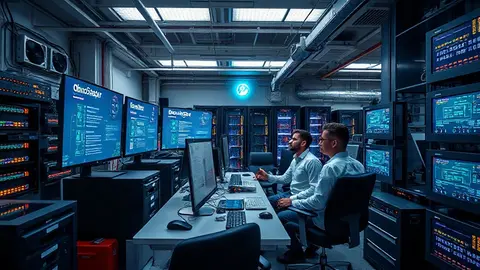
On November 5, 2026, Union Minister Dr. Jitendra Singh unveiled an ambitious vision for achieving a debris-free space by 2030. Speaking virtually from Kartavya Bhawan in New Delhi, he emphasized India's emerging capabilities in active space debris removal (ADR) and the nation's commitment to ensuring a safe space environment for all humanity. This announcement coincided with the inauguration of Cosmoserve Space's Base 1 facility in Hyderabad, marking a significant milestone in India's space technology landscape.
The Minister highlighted that India is positioning itself as a global leader in space technology, with the ADR initiative reflecting the country's dedication to sustainability in outer space. With the space economy projected to grow from nearly USD 9 billion to an estimated USD 40-45 billion in the next decade, the stakes are high for India to innovate and lead in this critical area.
Cosmoserve Space’s Base 1 Facility: A Technological Marvel
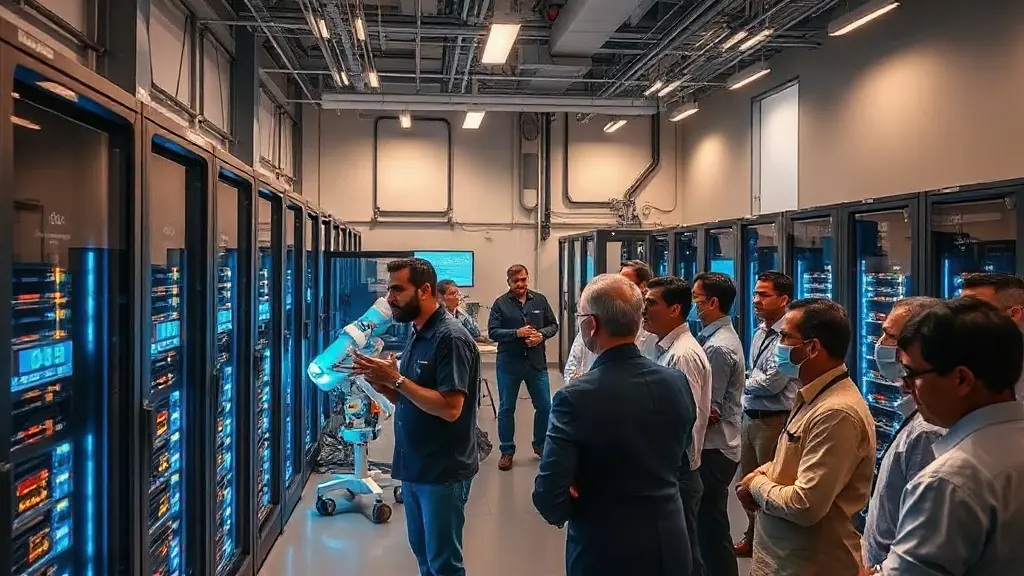
The inauguration of Cosmoserve Space's Base 1 facility, located in VSD Tech Park, Gachibowli, Hyderabad, is a testament to India's growing private space sector. Spanning approximately 14,800 square feet, the facility is equipped with state-of-the-art technology designed for the development and testing of space robots. It includes specialized labs for orbital rendezvous and capture, space robotics innovation, microgravity simulation, and satellite integration.
Dr. Jitendra Singh congratulated Dr. Chiranjeevi Phanindra, Founder and CEO of Cosmoserve Space, for the pioneering work in ADR and in-orbit servicing. The facility is expected to play a crucial role in developing technologies that can actively remove space debris, which poses a significant risk to satellites and other space missions. The Minister noted that the successful in-space test of soft robotic petals conducted by Mission EMBRACE in July 2026 exemplifies the rapid technological advancements being made by Indian startups.
The Role of Indian Startups in Space Sustainability
India's burgeoning space startup ecosystem has expanded dramatically, growing from a handful of companies to nearly 450 in recent years. This growth has been fueled by transformative reforms initiated by Prime Minister [Narendra Modi](/topic/narendra-modi), which have created an enabling environment for innovation and collaboration in the space sector. Dr. Jitendra Singh emphasized the importance of partnerships, citing collaborations between Cosmoserve Space and various entities, including Pixel for satellite systems and Dhruv Aerospace Netherlands for propulsion systems.
These partnerships illustrate a culture of end-to-end collaboration in space technology, where Indian startups are integrating indigenous payloads, [battery](/topic/electric-vehicles) technologies, and launch capabilities to create comprehensive space missions. This collaborative approach is essential for addressing the challenges posed by space debris, as it combines expertise from multiple sectors to develop effective solutions.
Investment and Philanthropy: Keys to Accelerating Space Technology
During his address, Dr. Jitendra Singh called for increased investment and philanthropy in the space sector to accelerate India's technological ambitions. He urged both domestic and international investors to actively participate in the space industry, highlighting the need for a robust ecosystem that nurtures scientific talent and fosters innovation.
The Minister pointed out that while India has always possessed the scientific talent and technological capabilities, an enabling ecosystem is crucial for unlocking the potential of its youth. By fostering collaboration between the public and private sectors, India can enhance its position as a global leader in space technology and contribute to a safer space environment for all.
Conclusion: A Step Towards Global Leadership in Space
India's commitment to achieving a debris-free space by 2030 is not just a national goal but a global imperative. As the country invests in advanced technologies and fosters a culture of collaboration among startups, it is poised to play a pivotal role in ensuring the sustainability of outer space. The inauguration of Cosmoserve Space's Base 1 facility marks a significant step in this direction, showcasing India's readiness to tackle the challenges of space debris and solidifying its status as a leader in the global space arena.
| Metric | Current Value | Projected Value (2030) |
|---|---|---|
| Space Economy | USD 9 billion | USD 40-45 billion |
| Number of Space Startups | Nearly 450 | - |
| ADR Facility Size | 14,800 square feet | - |