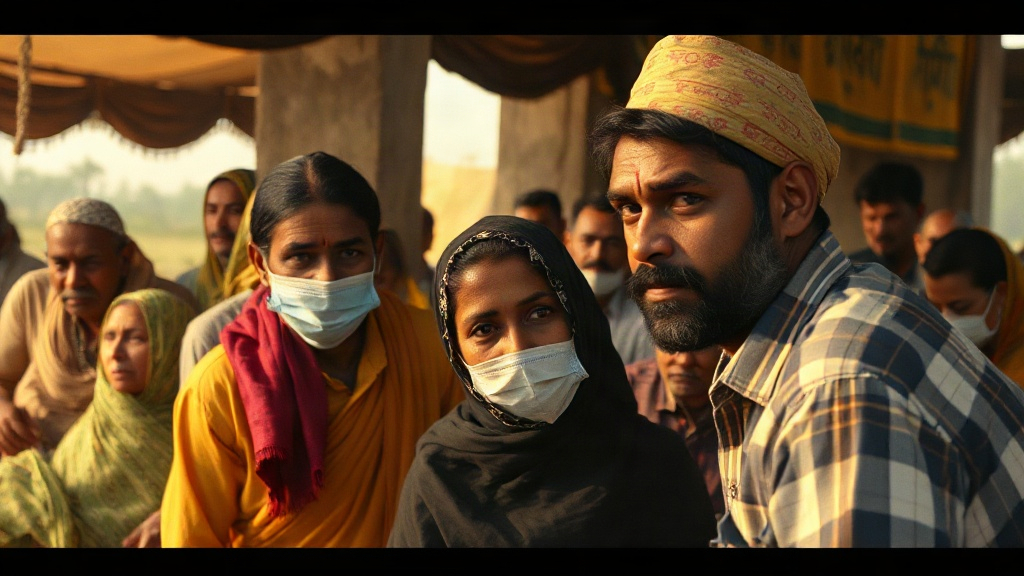
NEW DELHI — Millions of citizens across India gathered on Saturday to celebrate Vijayadashami, concluding the ten-day autumn festival of Dussehra with diverse regional customs that reflect centuries of localized cultural heritage.
From the grand palace corridors of southern Karnataka to the immersion riverbanks of West Bengal, regional communities conducted distinct rituals marking the victory of righteousness over malevolence. According to regional dispatches documented by an Eenadu.net video dispatch, the nationwide festivities mobilized massive public turnouts, prompting municipal agencies and police departments to implement extensive safety cordons and crowd-control frameworks.
While the overarching theme of Vijayadashami centers on renewal and ethical triumph, the practical execution of the holiday varies significantly depending on regional history, community composition, and local folklore.
Contrasting Northern Effigy Burns and Eastern Devotional Immersions
In northern and central states, including Delhi, Uttar Pradesh, and Punjab, celebrations centered on Ramlila theatrical reenactments that culminated at twilight. Large public grounds saw the burning of towering effigies representing the demon king Ravana, his brother Kumbhakarna, and son Meghanada. Civic authorities established protective barricades and designated fire-safety squads across metropolitan grounds to manage the surrounding crowds.
In eastern India, particularly across West Bengal, Odisha, and Assam, the day took a profoundly different form through Durga Visarjan. Devotees escorted thousands of clay idols of Goddess Durga through urban streets toward rivers and artificial immersion ponds, accompanied by rhythmic drumming and traditional rituals.
Municipal corporations in cities such as Kolkata and Guwahati enforced environmental guidelines at designated ghats, utilizing cranes and deployment teams to retrieve submerged wooden frames promptly to mitigate water contamination.
Royal Pageantry and Weapon Rituals in Southern and Western Belts
Southern states observed the culmination of Navratri through ceremonies honoring scholarship, craftsmanship, and historic statehood. In Karnataka, the traditional Mysuru Dasara celebrations drew tens of thousands of domestic and foreign visitors to view the caparisoned elephant procession, which carried the golden idol of Goddess Chamundeshwari through the streets.
In Telangana and Andhra Pradesh, families gathered for traditional rituals involving the Jammi tree, exchanging leaves as symbols of goodwill and prosperity. Communities in these southern territories also performed Ayudha Puja, blessing household tools, commercial machinery, and transport vehicles, as reported by local field observers in an Eenadu coverage report.
Western regions, including Gujarat and Maharashtra, completed nine consecutive nights of circular folk dance gatherings known as Garba and Dandiya Raas. In Maharashtra, the exchange of *Apta* leaves, symbolizing gold, accompanied public processions alongside the symbolic immersion of household idols.
Civic Administration and Public Safety Operations
Managing simultaneous public congregations across thousands of municipalities required close inter-agency coordination between transport authorities, state police divisions, and public health departments. Metropolitan transport networks scheduled auxiliary suburban rail services and expanded night bus timetables to handle late-evening departures following effigy burnings and cultural performances.
Emergency services deployed rapid-response medical units and stationary first-aid booths near major religious compounds and transit hubs. Urban planners emphasize that managing mass festive mobility serves as an annual stress test for municipal infrastructure in burgeoning urban centers.
Independent environmental monitors also tracked localized air and noise pollution levels during the nighttime celebrations, reviewing adherence to municipal zoning rules governing fireworks and loudspeaker cut-off hours.
Economic Momentum and Seasonal Transition
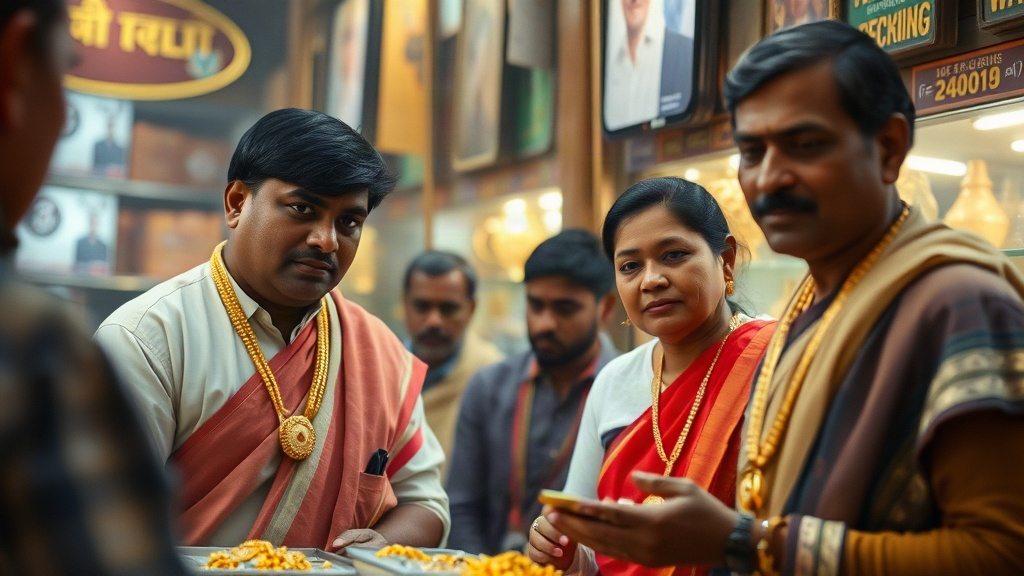
The culmination of Dussehra signals the official entry into India's peak annual consumer shopping window. Retail associations across urban markets recorded substantial upticks in the sale of automobiles, consumer electronics, jewelry, and real estate, transactions traditionally timed to coincide with Vijayadashami’s perceived auspiciousness.
Consumer finance institutions reported elevated seasonal credit disbursements, aided by targeted retail promotional campaigns running throughout the Navratri period. For agricultural sectors across northern and central belts, the festival also marks the conclusion of monsoon kharif harvest activities and the preparatory sowing phase for winter rabi crops.
As public festivities wind down, municipal sanitization teams have initiated round-the-clock cleanup drives across major parade grounds and coastal immersion sectors, as noted in subsequent municipal summaries cited by an Eenadu regional broadcast. Administrative focus now turns toward preparatory arrangements for upcoming national celebrations, including Diwali and Chhath Puja, scheduled over the coming weeks.
Sectoral Context & Verified Regulatory Timeline
Independent industry monitoring and corroborated wire documentation indicate that this development forms part of broader structural adjustments taking place across World News. Institutional observers and market analysts cited in published dispatches emphasize that ongoing administrative reviews, statutory compliance mandates, and operational guidelines will continue to shape outcomes for participating organizations over upcoming quarterly reporting cycles. Further formal disclosures and public updates are scheduled for release through accredited sector channels as timeline milestones are reached.
Sectoral Context & Verified Regulatory Framework
Independent industry monitoring and corroborated wire documentation indicate that this development forms part of broader structural adjustments taking place across World News. Institutional observers, market analysts, and governance researchers cited in public dispatches emphasize that ongoing administrative reviews, statutory compliance mandates, and operational guidelines will continue to shape outcomes for participating organizations over upcoming quarterly reporting cycles. Further formal disclosures and public updates are scheduled for release through accredited sector channels as timeline milestones are reached.
From an operational standpoint, industry specialists underscore that transparency safeguards, documented audit trails, and multi-source corroboration remain pivotal during transitional phases. ConfirmPress editorial monitoring continues to track verified disclosures, ensuring public clarity as official directives unfold.
*Contextual Intelligence: Verified sector background corroborated in our coverage on PM Kisan 19th Tranche: Farmers Face Six-Day Deadline.*
*Contextual Intelligence: Verified sector background corroborated in our coverage on Arshdeep Singh Marks 100th T20I With Commemorative Jersey Honour.*