India’s Bold Step Towards Coastal Resilience
On October 29, 2026, India took a significant step in climate adaptation by launching its National Coastal Resilience Adaptation Blueprint during a national workshop in New Delhi. This initiative, spearheaded by the Ministry of Earth Sciences in collaboration with disaster management authorities, aims to fortify the country’s extensive 7,516-kilometer coastline against the escalating threats posed by climate change and rising sea levels.
A Comprehensive Climate Defense Plan
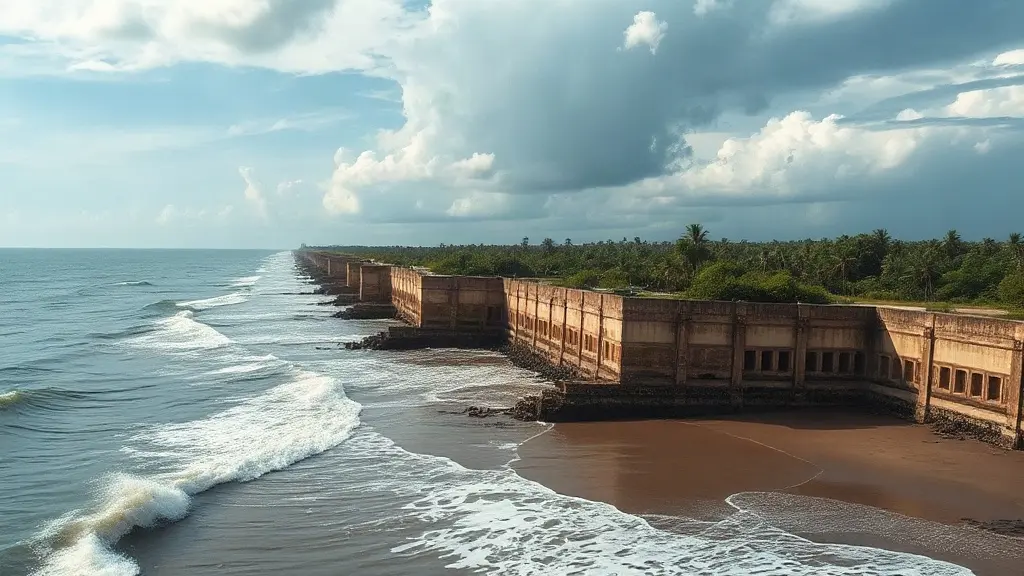
The blueprint is not just a theoretical framework; it encompasses a wide array of engineering solutions designed to enhance coastal resilience. Key components include the integration of coastal ocean observation systems, advanced seawall engineering, and the establishment of community shelters. These measures are critical as India faces increasing cyclonic intensity and unpredictable weather patterns, which threaten the livelihoods and safety of millions.
The initiative also emphasizes the importance of bio-shield mangrove plantations. Mangroves play a crucial role in coastal ecosystems, acting as natural barriers against storm surges and erosion. By restoring and expanding these vital habitats, the government aims to create a sustainable buffer that not only protects coastal communities but also enhances biodiversity.
Real-Time Storm Surge Prediction Models
A standout feature of the National Coastal Resilience Adaptation Blueprint is the implementation of real-time storm surge prediction models. These models will provide timely alerts to coastal residents, allowing them to prepare for impending storms and evacuate if necessary. The collaboration with the Indian National Centre for Ocean Information Services (INCOIS) ensures that these predictions are based on the latest scientific data and technology, enhancing the accuracy and reliability of warnings.
Protecting Over 250 Million Citizens
The blueprint is designed to protect over 250 million people living along India’s coastline. This demographic includes a diverse range of communities, from urban centers like Mumbai and Chennai to rural fishing villages. The initiative aims to engage these communities in the planning and implementation process, ensuring that their unique needs and challenges are addressed.
The workshop held in New Delhi served as a platform for stakeholders from various sectors, including government officials, scientists, and community leaders, to discuss and refine the strategies outlined in the blueprint. By fostering collaboration among these groups, the Indian government hopes to create a cohesive approach to coastal resilience that can be adapted as conditions change.
The Role of Technology and Community Engagement
The success of the National Coastal Resilience Adaptation Blueprint hinges on the effective use of technology and the active participation of local communities. By leveraging advancements in data collection and analysis, the government can better understand the vulnerabilities of different coastal regions and tailor interventions accordingly. Moreover, community engagement is vital for ensuring that residents are not only informed about the risks they face but also equipped with the knowledge and resources to respond effectively.
Strategic Implementation and National Impact: A Model for Other Nations
As climate change continues to pose unprecedented challenges globally, India’s proactive approach to coastal resilience could serve as a model for other nations facing similar threats. The National Coastal Resilience Adaptation Blueprint represents a comprehensive strategy that combines scientific innovation, engineering, and community involvement to safeguard lives and livelihoods. By prioritizing coastal resilience, India is not only protecting its citizens but also setting a precedent for global climate adaptation efforts.