Strategic Initiatives for Coastal and Cruise Shipping
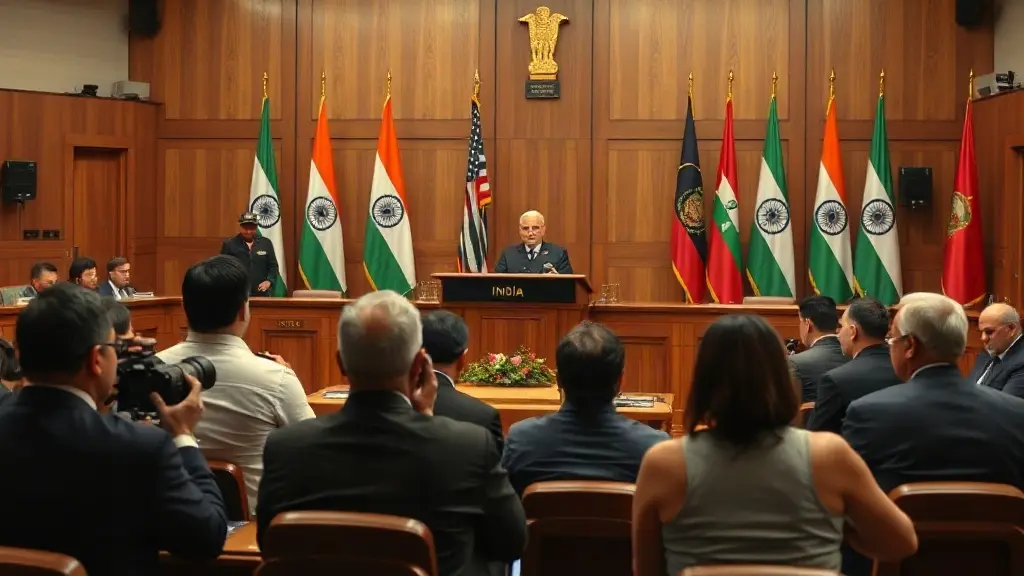
On November 4, 2026, Union Minister Sarbananda Sonowal unveiled an ambitious plan to double India's coastal and waterway freight share from its current levels to 12% by the year 2047. This initiative was announced during a meeting of the ministry's Consultative Committee, which included Minister of State for Ports, Shipping and Waterways, Shantanu Thakur, and eight members of Parliament. The meeting focused on measures to enhance coastal and cruise shipping, emphasizing the importance of leveraging India’s extensive coastline for economic growth.
Puri International Cruise Terminal Development
A key component of this strategy is the development of the Puri International Cruise Terminal, which will be constructed by the Paradip Port Authority (PPA) in collaboration with the Government of Odisha. The project is estimated to cost around Rs 1,500 crores and is expected to significantly boost the region's tourism and shipping capabilities. This terminal will serve as a critical hub for cruise operations, enhancing India's position as a competitive player in the global cruise market.
Growth in Coastal Cargo
Sonowal highlighted the remarkable growth in coastal cargo over the past 12 years, noting that it surged from 74 million metric tons to 177 million metric tons, representing an impressive growth rate of approximately 140%. This increase underscores the potential of coastal shipping as a cleaner and more efficient alternative for transporting goods across the country’s 11,000 kilometers of coastline. The minister emphasized that this growth is a direct result of the transformative policies implemented under Prime Minister Narendra Modi's leadership.
Economic and Environmental Impact
The push to enhance coastal and cruise shipping is not only about economic growth but also about sustainability. By promoting sea transport, the government aims to reduce the carbon footprint associated with freight transportation. Coastal shipping is recognized as a more environmentally friendly option compared to road and rail transport, which often contribute to higher emissions. The ministry's plans include investments in infrastructure and technology to facilitate this transition, ensuring that India can meet its growing freight demands while adhering to environmental standards.
The government’s commitment to doubling the coastal freight share aligns with global trends towards more sustainable shipping practices. As countries worldwide seek to minimize their environmental impact, India’s focus on coastal shipping could position it as a leader in the maritime sector. The development of the Puri International Cruise Terminal is expected to attract international cruise lines, further enhancing India’s tourism appeal.
| Parameter / Metric | Verified Detail | Practical Significance |
|---|---|---|
| Current Coastal Freight Share | 6% | Baseline for growth target |
| Target Coastal Freight Share by 2047 | 12% | Doubling share to enhance efficiency |
| Puri Cruise Terminal Cost | Rs 1,500 crores | Significant investment in tourism infrastructure |
| Coastal Cargo Growth (2014-2026) | 140% | Demonstrates potential for future growth |
Conclusion: A Vision for 2047
As India approaches its centenary of independence, the vision laid out by Sonowal and the Ministry of Ports, Shipping and Waterways reflects a forward-thinking approach to maritime logistics. By investing in infrastructure and promoting coastal shipping, India aims to not only boost its economy but also contribute to a more sustainable future. The next two decades will be crucial for realizing these ambitious goals, and the government’s ongoing efforts will be vital in achieving them.