Transforming India's Scientific Landscape for Viksit Bharat 2047
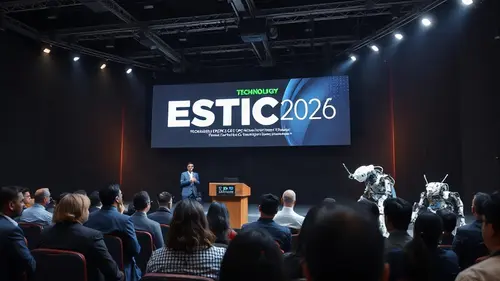
At the recently concluded ESTIC 2026, Union Minister Dr. Jitendra Singh called for a shift from mere scientific discoveries to their practical applications, emphasizing that India's research ecosystem should be evaluated based on its contributions to national development and the ambitious vision of Viksit Bharat 2047. This initiative aims to set clear, measurable targets over the next three years to enhance India's scientific and technological capabilities.
Key Recommendations from ESTIC 2026
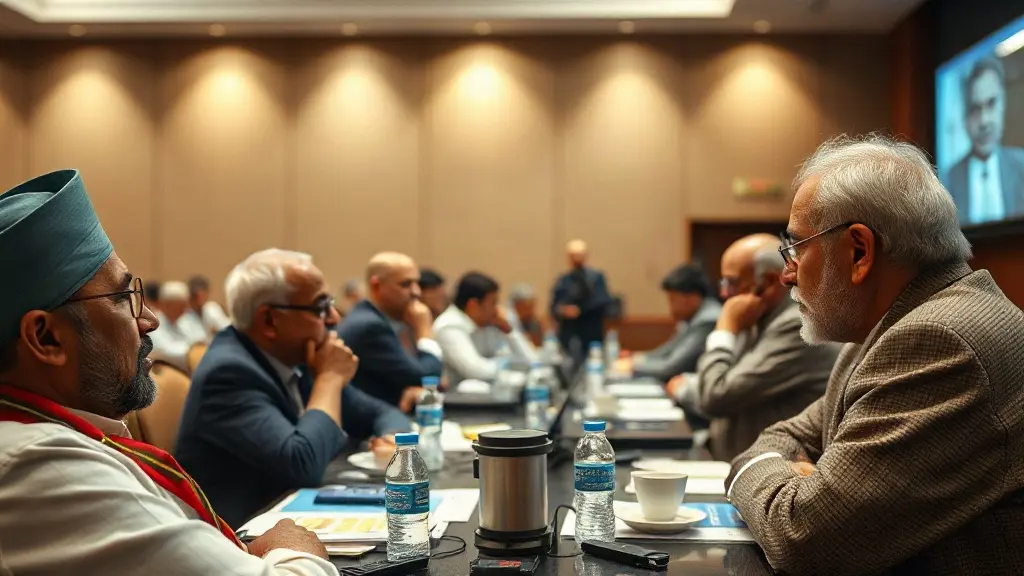
The valedictory session of ESTIC 2026 was attended by prominent figures in India's scientific community, including Principal Scientific Adviser Prof. Ajay K. Sood and various secretaries from key scientific departments. During the session, critical recommendations were presented, focusing on the need for India to evolve into a globally recognized scientific platform. Dr. Jitendra Singh highlighted the necessity for researchers and innovators to actively engage in this transformation, ensuring that the scientific program reflects high quality and credibility.
One of the significant outcomes of the event was the release of two landmark documents that outline the strategic direction for India's research priorities. These documents emphasize the importance of indigenous resources and methodologies, aiming to bolster the country's self-reliance in scientific advancements.
Fostering Indigenous Innovation
Dr. Singh stressed that India's research priorities must increasingly focus on developing technologies within the country. This includes enhancing capacity building in science administration, enabling scientists to acquire the managerial skills necessary for effective leadership in scientific organizations. The Minister pointed out that emerging areas such as biotechnology, genomics, and space research present unique opportunities for India to accelerate its technological progress.
The Minister also underscored the importance of anticipating future scientific needs, particularly in complex fields like space medicine, as human space missions become more intricate. He noted that the applications of nuclear science and technology extend beyond energy and strategic uses, playing a crucial role in healthcare and societal needs.
The Strategic Importance of Ocean Science
In his address, Dr. Jitendra Singh highlighted the strategic relevance of ocean science and the blue economy in shaping India's future economic landscape. He called for affordable and accessible nutrition to remain a national priority, linking it to the broader goals of national development and societal well-being. The Minister's remarks reflect a comprehensive approach to integrating scientific advancements with tangible benefits for the populace.
Data Table: Key Metrics for Viksit Bharat 2047
| Parameter / Metric | Verified Detail | Practical Significance |
|---|---|---|
| Target Year | 2047 | Vision for a developed India |
| Measurable Goals | 3-year timeline | Assess progress in science and technology |
| Focus Areas | Biotechnology, Space Research, Ocean Science | Enhance quality of life and economic growth |
Conclusion: A Roadmap for the Future
The discussions at ESTIC 2026 set a clear roadmap for India's scientific community, emphasizing the need for practical applications of research and innovation. By establishing measurable targets and focusing on indigenous development, India aims to not only meet the challenges of the future but also to position itself as a leader in global scientific advancements. The commitment to Viksit Bharat 2047 is not just a vision; it is a call to action for all stakeholders in the scientific ecosystem.
What is the significance of Viksit Bharat 2047?
Viksit Bharat 2047 is India's vision for becoming a developed nation by its 100th year of independence, focusing on sustainable development and technological advancement.