Narmada Control Authority's Historic Meeting
Today, October 29, 2026, the Review Committee of the Narmada Control Authority (RCNCA) convened its 15th meeting in New Delhi, marking a significant milestone in interstate water management. Chaired by the Union Minister of Jal Shakti, this meeting was pivotal in ratifying the Memorandum of Understanding (MoU) established on July 7, 2026, which outlines critical benchmarks for water sharing among the states of Gujarat, Madhya Pradesh, Maharashtra, and Rajasthan.
Legal Framework Solidified
A key highlight of today’s meeting was the formal acceptance of the Attorney General of India’s legal opinion. This opinion provided much-needed clarity on long-standing interstate allocation protocols that have often been a source of contention among the states involved. By endorsing this legal guidance, the committee has laid a robust foundation for future negotiations and agreements regarding water resources.
Consensus Among States
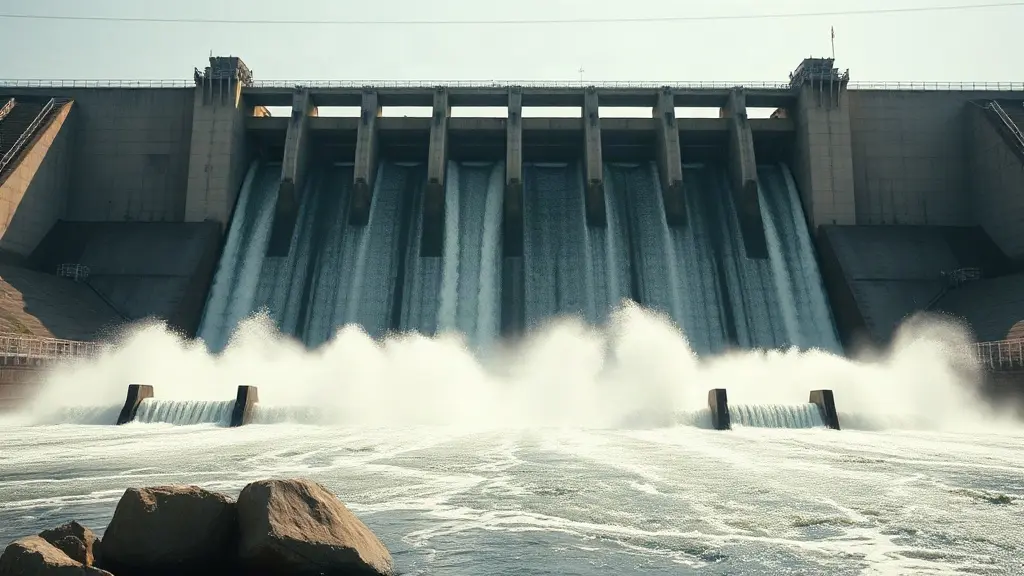
The ratification of the MoU signifies a binding consensus reached among the four states on crucial aspects of hydropower generation and irrigation discharge. This agreement is expected to enhance cooperation and ensure equitable distribution of water resources, which is vital for agricultural productivity and energy generation in these regions. The collaborative spirit demonstrated in this meeting reflects a commitment to resolving disputes amicably and sustainably.
Strategic Implementation and National Impact for Water Management
The decisions made today have far-reaching implications for water management in India. With water scarcity becoming an increasingly pressing issue, the ability to share resources effectively is essential for the economic stability of the states involved. The ratified accord not only addresses immediate concerns but also sets a precedent for future interstate water-sharing agreements across the country.
Next Steps for Implementation
Following the ratification, the RCNCA will oversee the implementation of the agreed benchmarks and reservoir operating schedules. This will involve regular monitoring and assessments to ensure compliance and address any emerging challenges. The committee's proactive approach in managing these resources will be crucial in mitigating conflicts and fostering cooperation among the states.
Strategic Implementation and National Impact
The 15th Review Committee meeting of the Narmada Control Authority represents a significant step forward in interstate water management in India. By formalizing the legal framework and achieving consensus among the states, this meeting has set the stage for a more collaborative and sustainable approach to water sharing in the region. As the states move forward with the implementation of the MoU, the focus will be on ensuring that the benefits of this agreement are realized by all parties involved, paving the way for a more harmonious relationship in managing shared water resources.