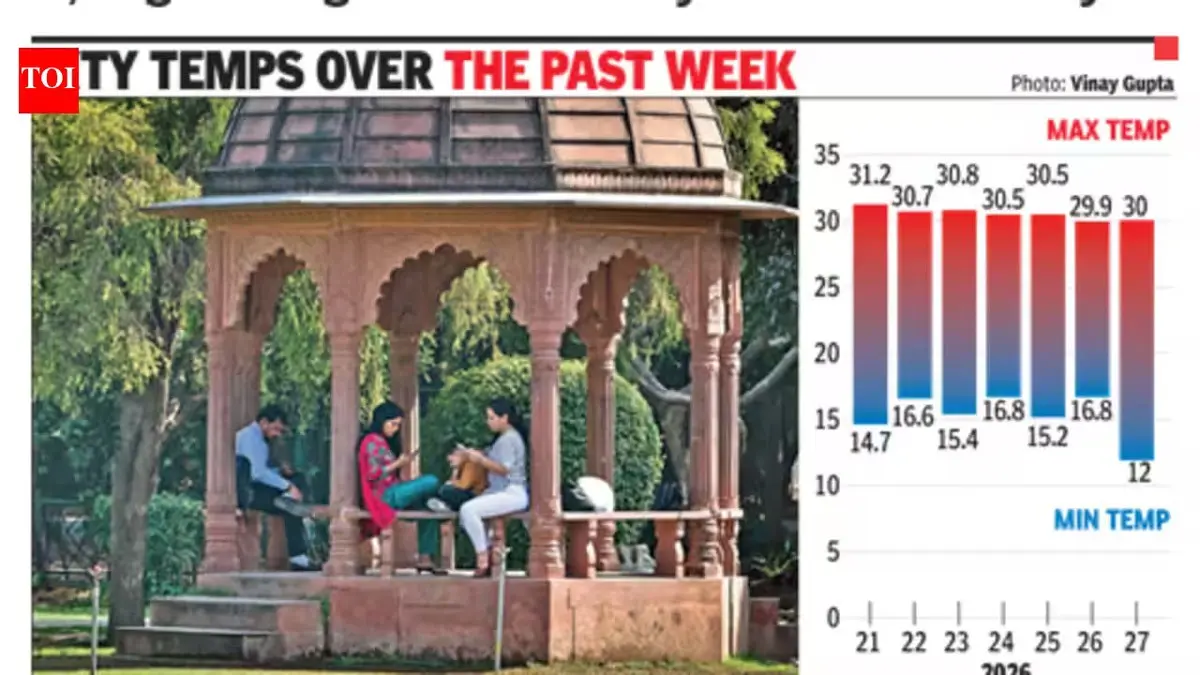
Gurugram experienced an unprecedented early onset of winter conditions after nighttime temperatures fell sharply to 12 degrees Celsius, registering the city's coldest October night in nearly three decades.
According to regional monitoring reported by The Times of India, the plunge represents a 29-year record low for the month of October in the Millennium City. The sudden chill caught residents off guard, arriving well before the customary winter transition typically observed toward late November across the National Capital Region (NCR).

Drivers Behind the Early Temperature Drop
Meteorological assessments suggest that early clearances in western Himalayan weather systems, combined with dry northwesterly winds sweeping across Haryana and the surrounding plains, contributed significantly to the rapid nighttime cooling. Clear skies over urban centers during late autumn accelerate radiational cooling, enabling surface heat accumulated during daylight hours to radiate quickly back into space after sundown.
Detailed historical records from regional centers cataloged on The Times of India Weather Desk highlight that October minimums in Gurugram typically hover in the upper teens. A sudden drop to 12°C highlights a rare thermal anomaly for this phase of the season.
| Temperature Metric | Recorded Value | Typical October Baseline | Historical Context |
|---|---|---|---|
| Gurugram Night Minimum | 12°C | 18°C – 21°C | Coldest October night in 29 years |
| Seasonal Timing | Late October | Early November (typically) | Approx. 2–3 weeks ahead of schedule |
| Atmospheric Trend | Clear skies, northwesterlies | Transition post-monsoon | Accelerated post-monsoon cooling |
Environmental and Public Health Impacts
The unseasonably cold overnight weather brings dual challenges for the urban hub. Lower ambient temperatures often trigger the formation of ground-level thermal inversions, which trap particulate matter and vehicular emissions close to the surface, compounding post-monsoon air quality concerns across the NCR.
Civic authorities and health professionals consistently warn that sudden shifts between warm afternoons and unusually crisp nights increase vulnerability to seasonal respiratory illnesses and viral infections, especially among children and elderly citizens. Environmental analysts documented through The Times of India Regional Reporting emphasize that prolonged dips during early winter generally elevate municipal readiness protocols for seasonal smog containment.
Weather monitoring agencies will continue tracking overnight shifts over the coming days to determine whether this historic low stabilizes or signals an unusually intense winter ahead for northern India.