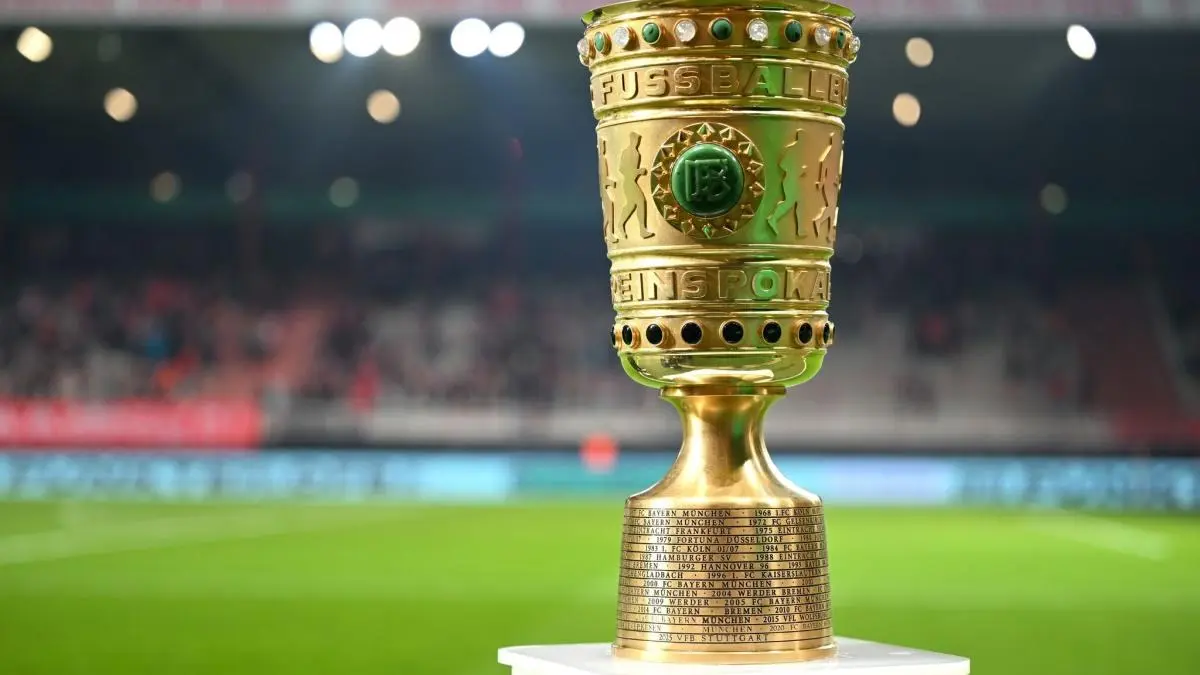
German domestic football planning is turning attention toward future cup campaigns, with initial scheduling overviews and tournament rundowns taking shape for Bundesliga regulars including FC Augsburg. According to reporting from Augsburger Allgemeine, tournament tracking outlines the multi-round calendar structure that dictates early knockout rounds through to the annual final in Berlin.
The DFB-Pokal remains Germany's premier domestic knockout competition, bringing together 64 qualifying clubs across the Bundesliga, 2. Bundesliga, 3. Liga, and regional association cup winners. For clubs such as FC Augsburg, cup campaigns represent high-stakes single-elimination challenges where early-stage pairings frequently present tricky away fixtures against lower-division underdogs before potential clashes with European qualification contenders.
Tournament Framework and Calendar Anchors
Under standard German Football Association (DFB) scheduling frameworks, the competition adheres to established seasonal milestones. The opening round typically anchors the start of the competitive German domestic season in August, staging 32 separate knockout matches over a single extended weekend.
| Tournament Stage | Standard Calendar Window | Typical Participants | Match Format |
|---|---|---|---|
| First Round (Round of 64) | Mid-August | 64 teams (Bundesliga down to regional winners) | Single-leg knockout (90 min + ET/pens) |
| Second Round (Round of 32) | Late October / Early November | 32 advancing clubs | Single-leg knockout |
| Round of 16 (Achtelfinale) | Early December | 16 advancing clubs | Single-leg knockout |
| Quarterfinals (Viertelfinale) | January / February | 8 advancing clubs | Single-leg knockout |
| Semifinals (Halbfinale) | Early April | 4 advancing clubs | Single-leg knockout |
| Final (Endspiel) | Late May | 2 finalists at Olympiastadion Berlin | Single-leg championship match |
Strategic and Financial Stakes for Augsburg
For top-tier clubs outside the perennial title favorites, the DFB-Pokal serves as the most viable path toward European qualification and significant mid-season prize money pools. Each successive round reached triggers incremental domestic television performance distributions and stadium ticket revenue splits administered by the DFB.
As coverage from Augsburger Allgemeine notes, tracking the definitive match dates and draw pairings allows supporters to plan travel logistics for early-stage away legs, where amateur and semi-professional hosts routinely stage matches at alternate venues to meet national security and broadcast broadcast requirements.
Definitive kickoff times, linear broadcast selections, and live streaming arrangements remain subject to formal coordination between the DFB, rights holders, and local security coordination bodies as each round approaches.