Overview of Foreign-Trade Zones and Subzone Status
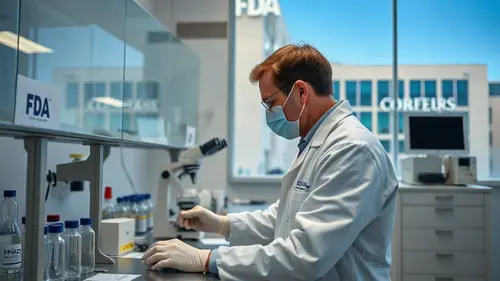
Foreign-Trade Zones are designated areas in the United States where goods can be imported, stored, and manipulated without the usual customs duties. Subzone status is a specific designation that allows companies to operate within a FTZ while benefiting from reduced tariffs and increased operational flexibility. The approval for BASF's subzone status is expected to significantly improve its supply chain efficiency and reduce costs associated with international trade.
Implications for BASF and Local Economy
The approval of subzone status for BASF is anticipated to have a positive impact on both the company and the local economy. By streamlining its import and export processes, BASF can expect to enhance its competitive edge in the agricultural solutions market. This move is likely to lead to increased production capacity, job creation, and investment in the local communities of Fenton and Palmyra. The company has committed to maintaining high standards in environmental sustainability and community engagement as it expands its operations.
Regulatory Process and Compliance
The approval process for subzone status involves a thorough review by federal authorities, including the Department of Commerce and the U.S. Customs and Border Protection. The application submitted by BASF underwent rigorous scrutiny to ensure compliance with all regulatory requirements. The decision to grant subzone status reflects the federal government’s commitment to facilitating trade and economic growth in the United States, particularly in the agricultural sector.
Future Prospects for Foreign-Trade Zones
The establishment of subzone status for BASF is part of a broader trend of increasing reliance on Foreign-Trade Zones by U.S. companies. As global trade dynamics evolve, more businesses are recognizing the advantages of FTZs in mitigating tariffs and enhancing supply chain efficiency. The federal government is expected to continue promoting FTZs as a strategic tool for economic development, particularly in regions with significant manufacturing and agricultural activities.
| Parameter / Metric | Verified Detail | Practical Significance |
|---|---|---|
| Docket Number | 2026-22426 | Official reference for regulatory approval |
| Agency | Federal Authority | Governing body overseeing FTZ regulations |
| Publication Date | November 3, 2026 | Date of official announcement |
| Location | Fenton and Palmyra, Missouri | Areas impacted by the approval |
| Economic Impact | Job creation and investment | Expected growth in local economy |
What is Foreign-Trade Zone 102?
Foreign-Trade Zone 102 is a designated area that allows companies to import goods without incurring customs duties until the goods enter the U.S. market.
How does subzone status benefit BASF?
Subzone status allows BASF to operate with reduced tariffs and increased flexibility in its import and export processes, enhancing overall efficiency.
What are the expected economic impacts of this approval?
The approval is expected to lead to job creation, increased production capacity, and investment in the local communities of Fenton and Palmyra.
What is the regulatory process for obtaining subzone status?
The process involves a thorough review by federal authorities to ensure compliance with all regulatory requirements before granting approval.