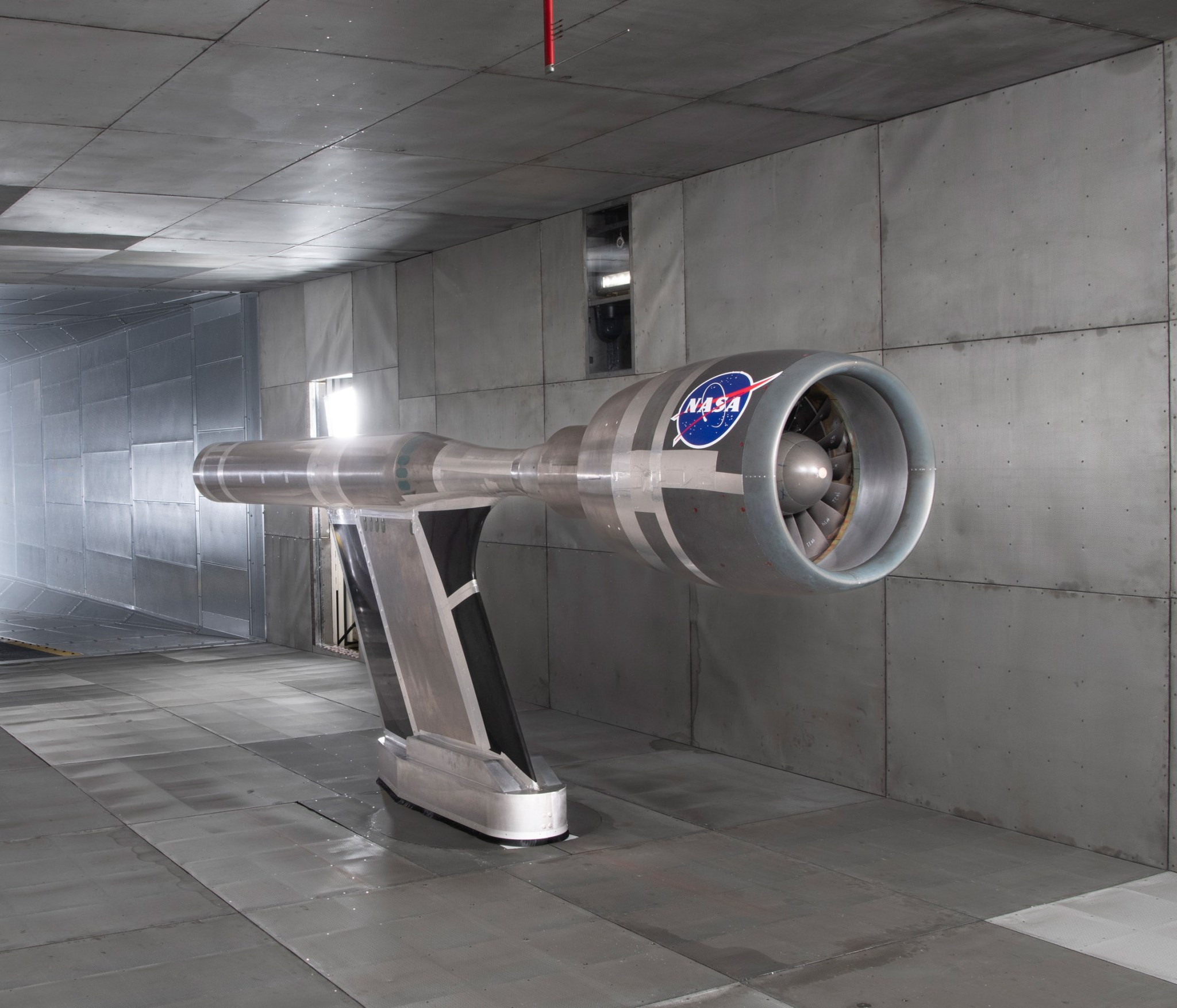
Specialized aeronautics research continues across a network of advanced experimental facilities at the NASA Glenn Research Center, where technical teams conduct testing on propulsion systems and acoustic performance, according to reporting by NASA — Breaking News.
Engineers and research personnel at the center utilize specialized environments designed to evaluate aircraft components and engine acoustics. The complex hosts a variety of testing sites, including large-scale aerodynamic tunnels and specialized acoustic test rigs designed to measure propulsion dynamics and noise generation.
Wind Tunnel and Acoustic Testing Sites
Among the core installations active at the center is the 9- by 15-Foot Low-Speed Wind Tunnel (9 x15 LSWT), which provides controlled conditions for low-speed aerodynamic evaluation. Research teams also conduct targeted noise and propulsion evaluations at the Aero-Acoustic Propulsion Laboratory (AAPL), a facility focused on assessing acoustic behavior in aeronautic configurations.
Supporting this research is the Acoustical Testing Laboratory (ATL), where teams perform rigorous sound analysis. These installations allow investigators to simulate operational conditions while monitoring aerodynamic stability and sound emissions from experimental systems.
Jet Rigs and Turbofan Research
In addition to general wind tunnels and acoustic sites, the NASA Glenn Research Center maintains specialized rigs targeting jet engine exhaust and propulsion mechanisms. These include the Small Hot Jet Acoustic Rig (SHJAR) and the Nozzle Acoustic Test Rig (NATR), both engineered to examine thermal and acoustic characteristics of high-speed jet streams.
Research operations also incorporate the DGEN AeroPropulsion Research Turbofan (DART), enabling engineers to gather operational data from an integrated turbofan engine. Together, these installations provide researchers with the infrastructure necessary to carry out targeted acoustic and propulsion research.