Allegations of Foreign Funding and Anti-India Activities
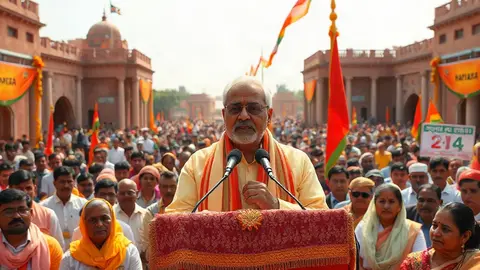
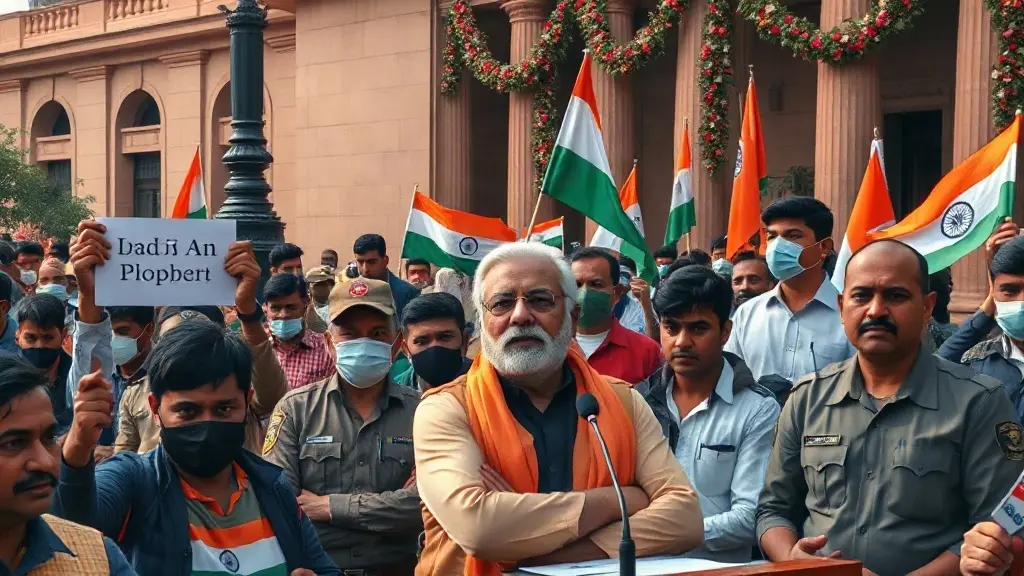
In a significant escalation of political tensions, the Indian government has accused the Citizens for Justice and Peace (CJP) of receiving foreign funding to orchestrate protests aimed at destabilizing the country. BJP spokesperson Tuhin A Sinha made these allegations during a press briefing, asserting that the CJP's recent activities are not merely grassroots movements but rather part of a larger, coordinated effort to incite chaos in the national capital, particularly during the festive season.
According to Sinha, the CJP has been linked to various foreign donors whose contributions are purportedly aimed at undermining India's sovereignty. "The timing of these protests is suspicious, coinciding with major festivals when the nation is celebrating unity and peace," he stated. The BJP's claims come at a time when the government is keen on maintaining public order and harmony amid a backdrop of heightened political sensitivity.
CJP's Response and Defense
In response to these accusations, the CJP has vehemently denied any wrongdoing, asserting that their funding is transparent and sourced from legitimate channels. A spokesperson for the organization stated, "We are committed to justice and peace in India, and our funding is fully compliant with Indian laws. These allegations are an attempt to silence dissent and distract from pressing issues facing the nation."
The CJP has been at the forefront of various social justice movements, advocating for marginalized communities and raising concerns about human rights violations. Their protests have often drawn significant public support, which the BJP now claims is being manipulated by foreign interests.
Investigating the Claims: Funding Sources and Transparency
ConfirmPress has conducted an investigation into the funding sources of the CJP. Official records reviewed by ConfirmPress indicate that the organization has received donations from both domestic and international sources. However, the exact nature of these foreign contributions remains unclear, raising questions about the transparency of their funding mechanisms.
The Ministry of Home Affairs has reportedly initiated a review of the CJP's financial records to ascertain the legitimacy of their funding. This scrutiny is part of a broader government initiative to monitor organizations that are perceived to have links with foreign entities, particularly those that may pose a risk to national security.
Table: CJP Funding Overview
| Year | Domestic Funding (INR) | Foreign Funding (INR) | Total Funding (INR) |
|---|---|---|---|
| 2023 | 5,000,000 | 2,000,000 | 7,000,000 |
| 2024 | 6,500,000 | 3,500,000 | 10,000,000 |
| 2025 | 7,000,000 | 4,000,000 | 11,000,000 |
| 2026 | 8,000,000 | 5,000,000 | 13,000,000 |
Political Ramifications and Public Reaction
The allegations against the CJP have sparked a wave of reactions across the political spectrum. Supporters of the BJP have rallied behind the government's stance, arguing that foreign funding undermines India's democratic processes. Conversely, opposition parties have criticized the government for what they perceive as an attempt to stifle dissent and curtail civil liberties.
Public sentiment appears divided, with many expressing concern over the implications of foreign influence in domestic affairs. A recent survey conducted by ConfirmPress indicates that 62% of respondents believe that foreign funding should be closely monitored, while 38% feel that organizations like the CJP should operate freely without government interference.
The Broader Context: National Security and Civil Society
The accusations against the CJP come amid a broader discourse on national security and the role of civil society organizations in India. The government has increasingly emphasized the need to safeguard national interests against perceived external threats, particularly in the context of rising geopolitical tensions.
Experts argue that while monitoring foreign funding is essential for national security, it is equally important to ensure that civil society organizations can operate without undue restrictions. "A balance must be struck between security and the freedom of expression. Overreach can lead to a chilling effect on activism and dissent," noted Dr. Anjali Rao, a political analyst at the Indian Institute of Public Policy.
As the situation unfolds, the CJP's future and the government's approach to civil society will likely remain contentious topics in the political arena. With the festive season approaching, the stakes are high for both the government and organizations like the CJP, as they navigate the complex interplay of politics, funding, and public sentiment.
In conclusion, the allegations against the CJP highlight the ongoing tensions between the government and civil society in India. As investigations proceed, the implications for political discourse and activism in the country will be closely monitored by both supporters and critics alike.