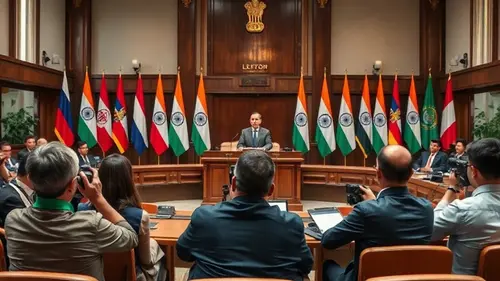
India is targeting October 23, 2028, for the country to have a mobile phone brand designed and made locally, Information Technology Minister Ashwini Vaishnaw said in a recent interaction with NDTV.
The target reflects New Delhi’s push to build a stronger domestic electronics industry. It also sets a demanding commercial test: Indian companies must compete with Apple, Samsung, Nothing, Oppo and Vivo while Chinese original equipment manufacturers control almost 70% of India’s smartphone market, according to Counterpoint Research.
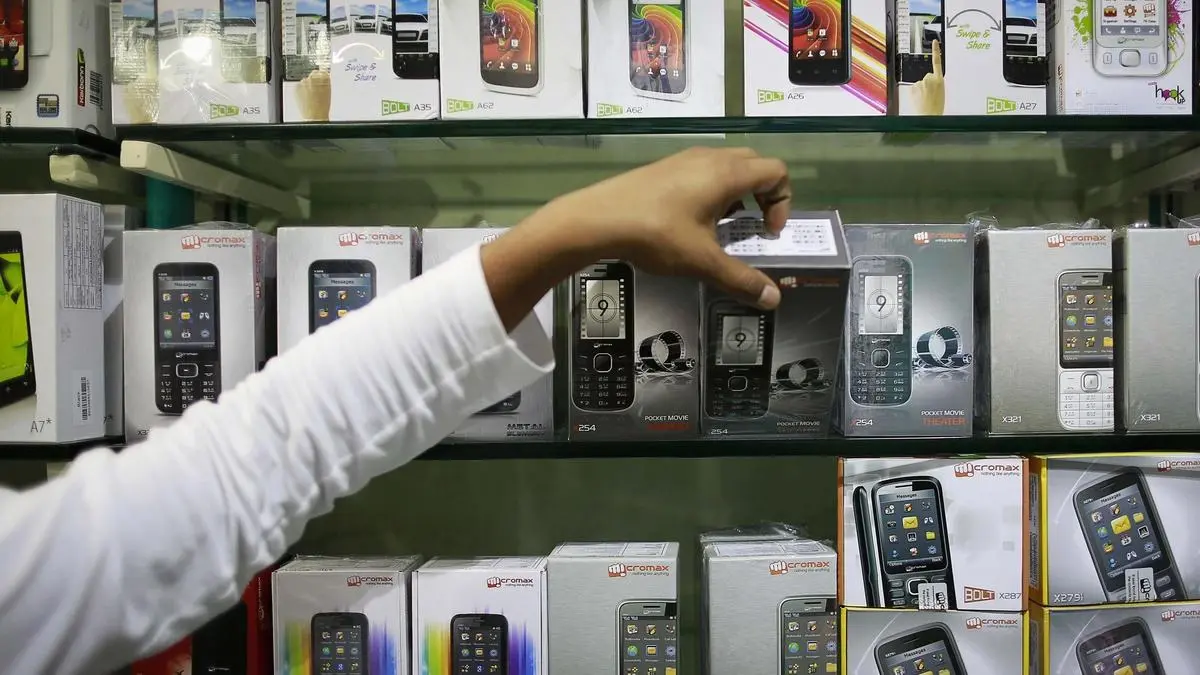
Indian-made smartphone brands currently account for about 7% of the market, Counterpoint data shows. That leaves local companies with a small base from which to challenge established brands that already have large manufacturing networks, retail distribution and marketing budgets.
Why the 2028 target is difficult
Apple has a strong position in India’s premium smartphone segment. Chinese manufacturers, meanwhile, have built deep reach across several price bands, forcing them to adjust their strategies as competition changes.
Domestic companies have historically followed global products rather than developing distinctive technology or business models, said Faisal Kawoosa, founder of Techarc. That approach can leave a company chasing products that have already lost relevance by the time they reach consumers.
“We will have to change our approach to achieving this,” Kawoosa said. He argued that Indian manufacturers remain too dependent on global supply chains and on the commercial priorities of larger international partners.
“First, we have to be subservient to the global supply chain, and our mission’s success depends on how well it serves their business goals,” he said.
The challenge is not limited to assembling phones in India. A competitive brand needs control over product design, component sourcing, software, after-sales service, retail access and pricing. Without those capabilities, local companies may manufacture devices domestically but remain dependent on overseas technology and suppliers.
Early signs of a domestic market
Some newer companies are beginning to test whether an Indian brand can gain meaningful consumer attention. Ai+ shipped more than 10 lakh units in the quarter ending in September, according to the company figures cited in the reporting. Mivi and Boltt are also entering the smartphone market.
Those efforts come from a low base, but they show that domestic brands can find customers when products are priced appropriately and sold through effective channels. Kawoosa said go-to-market execution, distribution and pricing can help a brand reach a 0-5% share even when it relies on an original design manufacturer-dependent supply chain.
The next step for Indian companies is therefore not simply to launch another low-cost handset. They will need to identify areas where they can offer a clear advantage, whether through software, service, design, battery performance, regional features or value for money.
The market gap Indian brands must close
The government’s 2028 ambition may help attract investment and focus industry attention on domestic design. But policy support alone cannot guarantee consumer adoption. Buyers will judge Indian phones on reliability, performance, software updates, camera quality, service coverage and price.
For the public, the outcome could mean more choice and stronger competition in a market dominated by a handful of international brands. A successful domestic player could also create demand for Indian component suppliers and engineering talent.
The immediate test is whether companies such as Ai+, Mivi and Boltt can expand beyond early customers and build durable distribution. The longer-term test is whether India can develop products that are not merely local versions of existing global phones.
India’s 2028 deadline gives manufacturers a clear horizon, but the path to a globally competitive brand remains open. Domestic companies must now move from assembly and imitation toward product ownership, supply-chain resilience and sustained innovation.
| Benchmark | Current position | What it means for Indian brands |
|---|---|---|
| Chinese OEM share in India | Nearly 70% | Local brands face entrenched competition across price segments |
| India-made smartphone share | About 7% | Domestic manufacturers have limited market scale |
| Ai+ shipments | More than 10 lakh units in the September-ending quarter | Early evidence of demand for newer Indian entrants |
| Government target | October 23, 2028 | India aims to have a locally designed and made mobile brand |