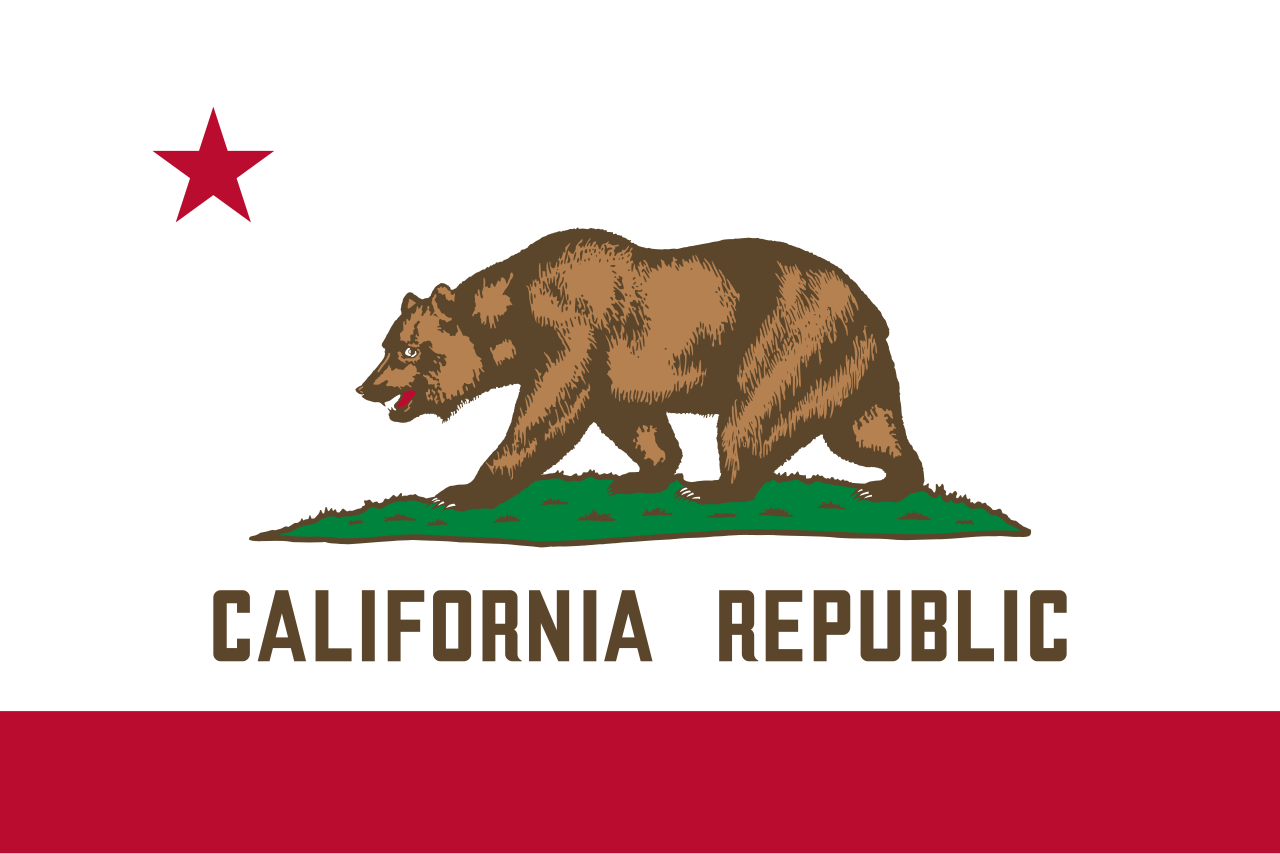
California voters are weighing a statewide ballot measure that would impose an annual wealth tax on the state’s ultra-wealthy residents, with public polling indicating an evenly divided electorate ahead of the Nov. 3 election. The proposed constitutional amendment, designated as Proposition 40, has emerged as one of the most contested economic initiatives on this year's ballot.
The ballot initiative seeks to establish a recurring tax on net worth exceeding defined ultra-high thresholds, targeting personal assets rather than traditional annual income. While traditional state taxation focuses on salaries, business distributions, and capital gains realized during sales, Proposition 40 directly appraises accumulated worldwide assets, including corporate equity, real property, and private partnership holdings.
According to an analysis presented in the CNBC — Top News dispatch, statewide voter surveys conducted throughout late October show public sentiment split within the margin of statistical error, setting up an unpredictable outcome at the polls.
How Proposition 40 Structures the Proposed Wealth Surcharge
Under the provisions set forth on the California ballot, the measure establishes an annual levy specifically targeted at residents with net worldwide assets exceeding $1 billion. For taxpayers crossing this valuation threshold, the measure applies a structured percentage surcharge calculated across aggregate personal net worth.
Net worth under the proposed framework encompasses all forms of liquid and illiquid wealth. This includes publicly traded securities, stock options, private company valuations, domestic and international real estate holdings, and structured investment trusts, less documented liabilities such as mortgages and commercial loans.
Proponents structured the measure to generate dedicated funding streams for the state budget. The generated receipts would flow directly into special reserve accounts designated for public education improvements, renewable energy programs, and community healthcare services administered across county districts.
Supporters emphasize that the measure targets fewer than 200 households across the state while capturing revenue from individuals whose asset growth often outpaces standard taxable income. Under federal and state tax codes, asset appreciation remains largely untaxed until investments are liquidated through market sales.
The Fiscal Debate Between Revenue Growth and Capital Flight
The economic debate surrounding Proposition 40 centers on long-term fiscal solvency versus the risk of high-earner outmigration. California already maintains the highest top marginal income tax rate in the United States at 13.3%, making personal location decisions a sensitive variable for state finance officials.
Independent budget analysts warn that California's reliance on top earners makes the state budget exceptionally volatile. The top 1% of income earners in California consistently account for nearly half of all state personal income tax revenues collected in any given fiscal cycle.
Opponents argue that an asset-based levy could prompt multi-billionaires to establish primary legal residencies in states with zero income tax, such as Texas, Florida, Nevada, or Washington. If prominent founders and business leaders relocate before asset assessment dates, the state risks forfeiting not only the anticipated wealth tax receipts but also existing personal income and sales tax contributions.
Conversely, legislative backers argue that California’s economic gravity—underpinned by Silicon Valley’s venture ecosystem, leading university systems, and established capital markets—provides sufficient incentives to keep prominent entrepreneurs rooted within the state.
Operational Challenges in Assessing Non-Liquid Assets
Beyond ideological divides, tax administration specialists have raised questions regarding how California's Franchise Tax Board would enforce compliance across complex, non-liquid balance sheets. Assessing the market value of publicly listed shares is straightforward, but evaluating privately held enterprises presents major administrative obstacles.
Valuing early-stage technology startups, privately held family enterprises, and limited partnership funds often requires subjective appraisal models. These valuations fluctuate heavily based on interest rate cycles, industry downturns, and changing revenue multiples.
As documented in state legislative fiscal assessments, establishing annual valuation metrics would require expanding state auditing teams and establishing dispute-resolution tribunals to process taxpayer appeals.
Legal scholars also anticipate immediate constitutional challenges should the ballot measure pass. Opponents are expected to argue that taxing out-of-state and international assets violates the Commerce Clause and Due Process Clause of the United States Constitution, which restrict individual states from taxing economic activity outside their territorial borders.
Historical Parallels and Global Policy Precedents
The policy blueprint behind Proposition 40 reflects wider national debates popularized by progressive federal lawmakers seeking recurring federal asset levies. However, because federal proposals have faced legislative gridlock in the U.S. Congress, progressive policy organizations have shifted their focus toward state-level ballot initiatives.
Internationally, several European countries previously adopted wealth taxes during the late twentieth century, including France, Sweden, and Germany. Most of these countries subsequently repealed or narrowed those frameworks between 1990 and 2010.
European governments cited significant administrative overhead, extensive litigation over private company valuations, and high rates of capital flight to neighboring jurisdictions as the primary reasons for unwinding those systems. Only a handful of nations, such as Switzerland, Norway, and Spain, maintain forms of recurring net-wealth taxation today, typically at broader baselines and lower statutory percentages.
Campaign filings reviewed in state campaign finance records demonstrate that tens of millions of dollars have flowed into political committees on both sides of the ballot question, making Proposition 40 one of the costliest policy fights on the November ballot.
What Voters Decide Ahead of the Nov. 3 Deadline
With Election Day approaching on Nov. 3, polling firms indicate that a sizable bloc of undecided voters will determine whether the initiative becomes law. Mail-in ballots have already been distributed to all registered California voters, and county registrar offices have commenced ballot processing statewide.
If approved by a simple majority of voters, Proposition 40 would direct state agencies to formulate administrative rules ahead of the upcoming tax year. That regulatory timeline would trigger an immediate review period involving public comment sessions, formal rulemaking by the Franchise Tax Board, and prompt legal filings in federal district courts.
If defeated, the outcome will likely stall similar wealth tax proposals circulating among legislative committees in other high-tax states such as New York, Massachusetts, and Washington. County election workers will conclude ballot counting in the days following the Nov. 3 deadline, with official certification managed by the California Secretary of State.