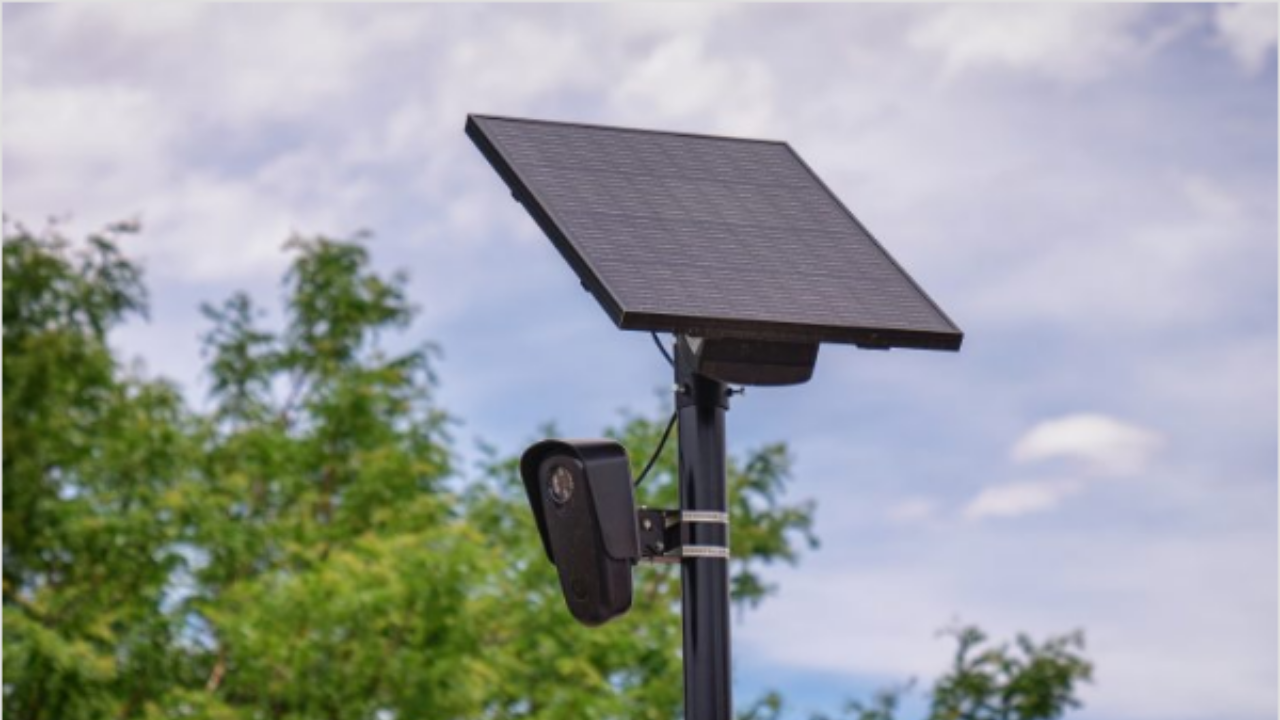
Surveillance technology firm Flock Safety has announced a series of new privacy protections and oversight protocols following incidents of vandalism against its automated network, according to reporting by Times of India — Top Stories.
The company, widely known for manufacturing artificial-intelligence-driven license plate recognition cameras, is rolling out operational changes aimed at regulating how law enforcement agencies access and maintain captured vehicle records. Under the revised framework, investigators using the platform must now input mandatory case numbers prior to executing database searches, while the baseline duration for storing captured data has been shortened.
Mandatory Search Audits and System Controls
In addition to stricter search requirements, the technological updates introduce automated review procedures. Police agencies utilizing the network will now face automatic evaluations whenever system monitors detect abnormal query patterns or anomalous usage activity.
Flock Safety deployed the measures as its roadside hardware faces physical backlash and broader public controversy. Law enforcement partners have increasingly deployed the camera units to flag stolen vehicles, identify suspect transport routes, and alert local officers in real time. However, the physical units have emerged as focal points of civil discontent, resulting in repeated vandalism directed at the equipment.
Scrutiny Over Civil Liberties and Accountability
Despite the newly unveiled safeguards, privacy advocates and system critics maintain that the changes fall short of addressing structural surveillance risks. Independent observers argue that more comprehensive operational restrictions are critical to eliminate technological misuse, protect civilian privacy, and enforce meaningful institutional accountability.
The policy adjustments come while Flock Safety continues to operate under sustained scrutiny over past security incidents involving its surveillance apparatus. The company maintains that its hardware and algorithms serve public safety objectives, but ongoing physical attacks and regulatory questions continue to present challenges to its operating model.


